Stepping onto a stage or onto a convention floor requires more than just rehearsing your lines or sewing a great costume—it requires a complete physical transformation. But if you are a local actor, cosplayer, or theater director in the South Bay, you might have recently discovered a frustrating reality: finding specialized performance hair in our area has suddenly become incredibly difficult.
To find everyday fashion or medical hairpieces, you can explore our comprehensive evaluation of the best wig stores in San Jose, CA. However, if your mission is to find high-performance theatrical hair, specialized cosplay bases, or durable costume wigs, you are stepping into a highly specialized niche that requires a completely different scouting strategy. The physical landscape for specialty performance gear in the Silicon Valley area has transformed dramatically, and navigating it now requires a blend of local material sourcing, scientific understanding of synthetic fibers, and a bit of insider knowledge.
The San Jose Landscape: What Happened to Our Costume Shops?
For decades, local creators relied on a few beloved brick-and-mortar pillars to touch, feel, and try on dramatic hairpieces before a big show. If you search online today, Yelp and local directories will happily point you toward these institutions.
There’s just one problem: much of that information is dangerously obsolete.
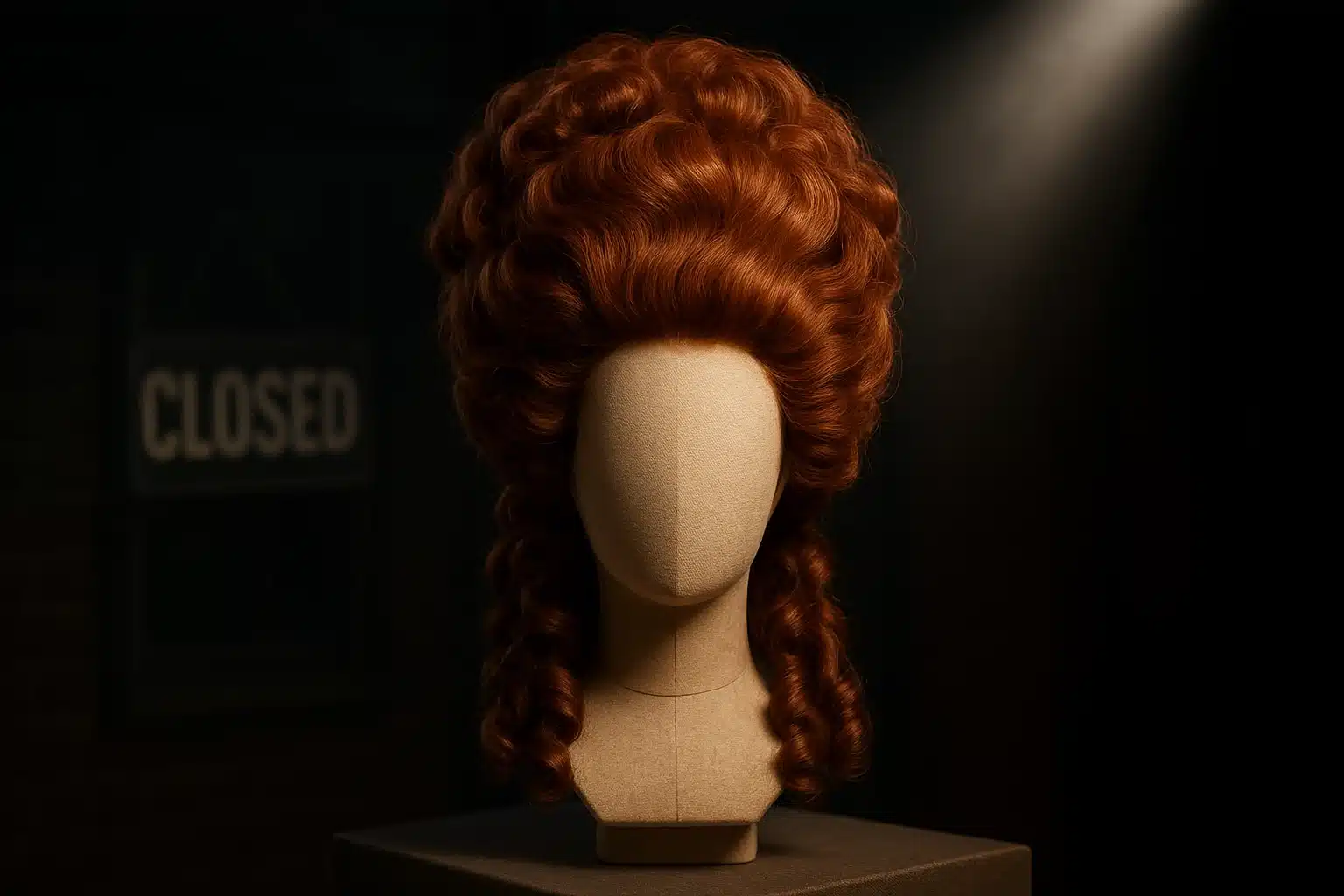
In early 2026, a massive structural shift occurred in the local retail market. Long-time anchors Natasha’s Attic and San Jose Dancewear (formerly Victoria’s Dance & Costume at 376 Race Street) permanently closed their doors following a building sale and liquidation. Driving to these once-bustling storefronts today will only lead you to empty buildings. This closure has created an “information vacuum” for the local creative community. Where do you go when the costume giants are gone? The answer begins with understanding exactly what makes stage hair so unique.
The Science of the Stage: Everyday Wigs vs. Theatrical Wigs
Most online guides conflate cheap plastic “Halloween” wigs with professional high-temp synthetics, or they lump medical wigs and stage wigs into the same category. If you try to wear a standard daily-wear wig under bright theatrical spotlights, you’ll likely encounter a few unexpected disasters.
Here is why theatrical wigs are engineered differently:
Hair Density and Lighting
Everyday fashion wigs are typically designed with about 120% hair density to look natural and lightweight for daily wear. Under intense theatrical LED spotlights, however, a 120% density wig can look thin, flat, and sometimes even appear “bald” at the wefts. Stage pieces require a density of 180% to 250% to maintain volume, structure, and visibility all the way from the front row to the back of the auditorium.
Cap Structure and Durability
A standard everyday wig often features a monofilament cap designed for scalp comfort and breathability. While comfortable, these caps aren’t built for high-energy dance numbers. Theatrical wigs utilize heavy-duty open wefting, adjustable straps, and double-stitching designed to withstand aggressive choreography, sweat, and constant quick-changes.
Fiber Technology
Never mistake cheap novelty PVC fibers for professional stage hair. PVC is highly flammable, hyper-shiny under lights, and impossible to style. Professional costume designers instead look for a high-quality kanekalon fiber, Toyokalon, or other high-temperature resistant synthetics. These advanced materials mimic human hair texture under intense lighting and can safely withstand heat styling tools up to 350°F, allowing you to steam, set, and restyle the same wig for multiple productions.
Navigating San Jose’s Specialty Retail Reality
With the dedicated theatrical shops gone, sourcing locally means knowing exactly what the remaining stores specialize in. Here is an accurate assessment of the South Bay landscape as of mid-2026:
- Adira Dance and Costume (2038 Lincoln Ave): This active storefront is absolutely fantastic for performance activewear and specialty dance character items. However, they carry a very limited stock of theatrical wigs.
- Couture Hair Supply (1070 Lincoln Ave): An excellent local resource for high-end human hair extensions, V-parts, and beautiful fashion units. While highly rated, they do not cater to the affordable, pre-styled synthetic costume market.
- Join US Beauty Supply (1405 W San Carlos St) & Brittney’s Beauty Supply (1260 S Bascom Ave): These are your best physical fallback points. They are great places to buy affordable, everyday synthetic wigs that you can aggressively cut, style, and customize yourself to create the perfect character base.
The Metaphorical Contrast: Just as homeowners look to buy sod in San Jose to rapidly transform their patchy lawns into lush landscapes, stage actors and cosplayers seek high-density synthetic wigs to instantly transform their physical appearance. However, unlike purchasing turf, finding high-quality stage hair in the South Bay now requires a creative blend of local base-hunting and specialized online ordering.
Hyper-Local DIY & Creative Sourcing Strategies
Because you can no longer walk into a massive local warehouse and walk out with a fully styled Marie Antoinette wig, San Jose creators must adapt. Here are the best ways to source and build your wig wardrobe today:
The Local Sharing Economy
Do not underestimate the power of peer-to-peer networking. Joining a local Buy Nothing Group in San Jose or checking neighborhood theater boards can yield amazing results. Many former actors and cosplayers gladly pass on pre-loved costume bases, styling canvas block heads, and leftover theatrical makeup to fellow creatives.
Corporate & Event Partnerships
If you are designing for local corporate productions, community festivals, or collaborating with event staging companies like Stage This Inc in San Jose, budget becomes a priority. Learning to build a reusable, modular “wig wardrobe” out of high-temp synthetics is a crucial skill that saves thousands of dollars across a theatrical season.
The Prop Connection and Pickup Hubs
Costuming is about the whole picture. Whether you need to buy the bucket in San Jose for a rustic farm-scene prop or hunt down 18th-century style lace-fronts, understanding how accessories coordinate with hair density is key to visual storytelling. For actual theatrical bases, many local groups now order online and utilize local order-pickup hubs—such as the Historical Emporium warehouse at 188 Stauffer Blvd, which operates strictly for pre-arranged online mail-order pickups rather than retail browsing.
Case Studies: Hair Styling for the South Bay Stage
Different productions require vastly different approaches to hair sourcing and styling. Let’s look at how local theater history illustrates these demands:
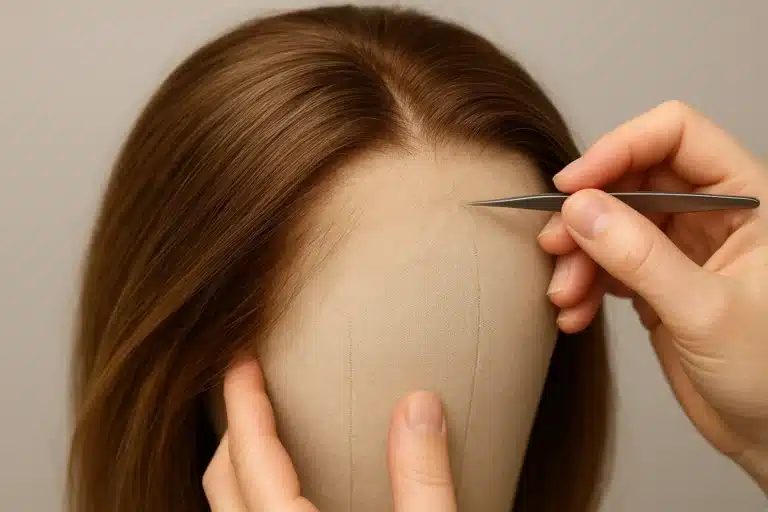
- Modern Indie Drama: Consider a contemporary play like Ayad Akhtar’s McNeal, as staged by the San Jose Stage Company during their 43rd season. These intimate, realistic shows require contemporary character wigs that look entirely natural under unforgiving, close-up LED lighting. High-quality lace fronts with meticulously plucked hairlines are mandatory here.
- Regency Period Styling: Contrast that with historical productions, like adaptations of Jane Austen’s Persuasion at local theater spaces. These eras demand intricate updos, tight ringlets, and structural hairpieces that must remain perfectly pinned during emotional performances. These styles are almost impossible to find pre-made and require buying thick, high-temp synthetic bases to steam-style locally.
- High-Energy Musicals: High-energy runs—such as community youth theater showcases of Mamma Mia! at Stage One San Jose—require vibrant, high-volume 1970s disco hairpieces. These wigs must feature extra-secure cap grips to survive heavy choreography and sweat.
Sourcing Disclaimer: While theater groups sometimes seek regional retail hubs like a San Antonio specialty shopping district in Mountain View for general boutique accessories or costume pieces, professional theatrical hair must almost always be sourced from online specialists today.
The Theatrical Wig Survival Guide
Once you have your wig, keeping it stage-ready requires a completely different regimen than everyday hair. Here is your actionable checklist:
- Prep the Foundation: Never put a stage wig directly on your head. Use pin curls to flatten your natural hair, apply a heavy-duty nylon wig cap, and use a skin barrier prep around your hairline to protect against adhesives and sweat.
- Secure for Movement: For high-energy movement, rely on the “wig band” method, sew in toupee clips at the nape and temples, or use theatrical spirit gum and lace tape for an immovable hold.
- Post-Show Care: Synthetic stage wigs take a beating from heavy aerosol hairsprays and theatrical sweat. Learning proper wig care is essential. Wash out heavy products gently with synthetic-safe shampoos, use a handheld steamer to restructure bent fibers, and always store your wig on a canvas block head to maintain its shape and double its lifespan.
Frequently Asked Questions (FAQ)
Can I use a curling iron on a costume wig?
It depends entirely on the fiber. Cheap party store wigs will melt instantly. If the wig is made of high-temperature synthetic fibers (like premium Kanekalon), you can use heat tools, usually up to 300°F – 350°F. Always test a hidden strand at the nape of the neck first.
How do professional theater designers custom-color synthetic hair?
Traditional hair dye does not work on synthetic plastic fibers. Theater designers often use alcohol inks mixed with water, or specialized synthetic fabric dyes (like Rit DyeMore) heated in a pot to custom-tint stage hair.
Why does my costume wig look so shiny under stage lights?
Low-quality synthetic wigs have a high plastic content that reflects light unnaturally. You can dull this shine by lightly dusting the wig with dry shampoo or translucent setting powder before stepping onto the stage.
Are there any dedicated theatrical wig stores left in San Jose?
As of mid-2026, no dedicated, walk-in theatrical wig storefronts remain in San Jose. Local creatives rely on a hybrid approach: buying basic synthetic bases at local beauty supplies (like Join US or Brittney’s) and relying on specialized online retailers for heavy-duty theatrical and cosplay units.
Next Steps in Your Theatrical Journey
The disappearance of dedicated costume shops in San Jose doesn’t mean the end of incredible local theater and cosplay—it just means creators have to be smarter and more resourceful. By understanding the structural differences between everyday fashion wigs and heavy-duty stage hair, you can navigate the local beauty supply market to find workable bases, or confidently order the correct materials online.
As you continue to build your character’s look, remember that the foundation of great stage hair is education. Take the time to learn your fibers, master your steam-styling techniques, and invest in proper care routines to ensure your wig delivers a standing ovation, performance after performance.