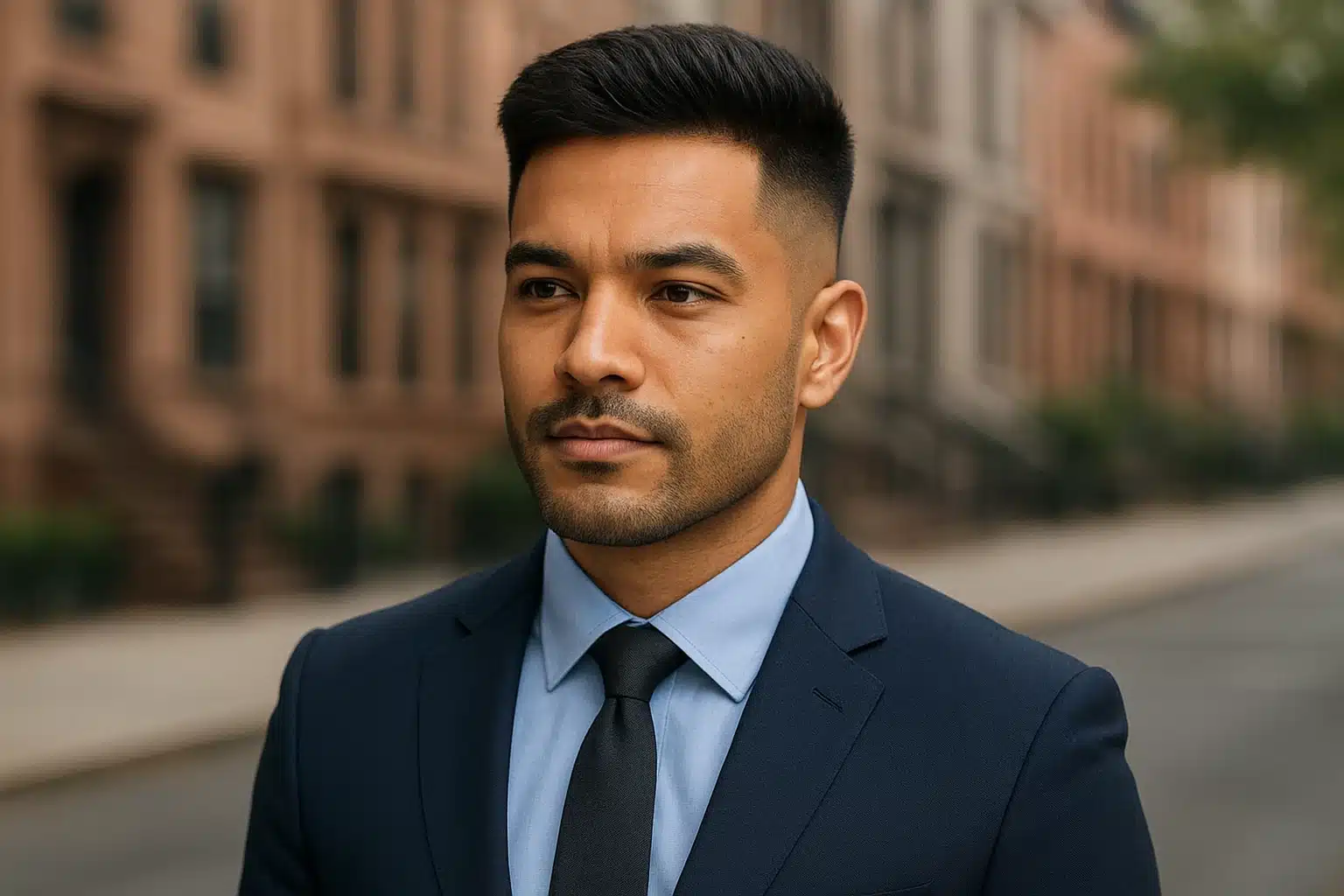
When most guys hear the word “toupee,” their minds immediately jump to an outdated comedy trope: a stiff, unnatural rug that looks more like a small animal than a head of hair, constantly threatening to fly off in a gentle breeze. If that’s your reference point, it’s time to hit the reset button. The world of non-surgical male hair replacement has experienced a massive technological renaissance. Today’s modern hair systems are undetectable, secure, and widely adopted by men of all ages right here in New York City.
Despite this surge in popularity, finding clear, actionable information about where to go and what to buy can feel like navigating a maze. Historically, the retail landscape has catered almost entirely to women’s fashion pieces, leaving male buyers underserved, confused, and hesitant to ask questions due to lingering social stigmas. If you’re looking for professional, discreet services without the guesswork, bookmarking the ultimate guide to the best wig stores in Brooklyn, NY is your best first step to evaluating specialized boutiques, custom studios, and private fitting salons across the borough.
Let’s demystify the process, break down the terminology, and give you the foundational knowledge you need to make an informed, confident decision.
Demystifying the Terminology: Wigs, Toupees, and Hair Systems
Before you walk into a shop, it helps to speak the language. The hair loss community uses several terms, and knowing the difference will ensure you get exactly what you’re looking for.
- Wigs: A wig provides full-cap coverage, meaning it covers the entire head. While some men wear full wigs, they are less common for typical male pattern baldness.
- Toupees / Hairpieces / Male Units: These terms refer to partial coverage pieces designed to restore hair specifically on the top and crown of the head, blending seamlessly into your natural growing hair on the sides and back.
- Hair Systems: This is the modern, preferred industry term. It refers to a highly customized, non-surgical replacement that uses medical-grade adhesives to bond directly to the scalp. It’s a “system” because it involves a specific routine of attachment, cut-in, and maintenance.
The Material Difference: Synthetic vs. Human Hair
While synthetic hair has improved drastically, 100% Remy human hair remains the gold standard for men’s hairpieces. Human hair mimics your natural texture, reflects light accurately, and can be professionally colored, faded, and styled with heat tools—giving you the freedom to rock a messy textured crop, a slick pompadour, or anything in between.
The Base Selection Decision Matrix
The “base” is the foundation of your hair system—the material the hair is hand-tied into. There is no single “best” base; rather, the right choice depends heavily on your lifestyle, your sweat levels, and the infamous NYC summer humidity.
- Polyurethane (Thin Skin): Ranging from an ultra-thin 0.02mm to a more durable 0.08mm, poly bases offer maximum realism. They mimic the look of your actual scalp perfectly, making them ideal if you want an exposed hairline. The trade-off? They are less breathable, which means you’ll need more frequent cleanings if you’re heavily active or sweating.
- French Lace: If you run hot or spend hours in the gym, French lace is your best friend. It offers maximum breathability, allowing water and air to pass right through to your scalp. The hairline is highly natural, though it does require a bit more meticulous cleanup during your re-bonding routine.
- Monofilament (Mono): Mono bases are the workhorses of the industry. They offer maximum durability (often lasting 6+ months) and can support heavier hair densities. They are slightly thicker, so they are best paired with hairstyles that don’t expose the very front hairline.
- The Hybrid (Lace Center + Skin Perimeter): Often the best all-around choice for beginners. You get the breathable lace over the crown of your head, combined with a durable “skin” perimeter that makes applying and removing tape incredibly easy.
The Rise of Afro-Textured Hair Units (Man Weaves)
One of the most rapidly growing segments in the industry is the afro-textured hair unit, culturally popularized as the “man weave.” Historically, Black men were left out of the hair replacement conversation, but specialized units have completely changed the game.
When looking for an afro-textured unit, texture matching is everything. Quality systems offer specific millimeter curl waves (ranging from a 4mm kinky curl to a 12mm S-curl) to perfectly match 360-waves, fades, or short twists. Maintenance for these units also comes with unique cultural considerations. For instance, sleeping with a durag or silk bonnet is essential to prevent edge lifting, and heavy oil-based products should be kept strictly away from the polyurethane bonding perimeter to avoid premature detachment.
The Brooklyn Buyer’s Roadmap: Navigating Local Specialists
National e-commerce sites are great for ordering supplies, but a successful hair system requires localized, in-person execution. Brooklyn is home to diverse neighborhoods boasting incredible specialists capable of private consultations, discreet fittings, and masterful edge blending.
- Crown Heights & Flatbush: This area is the epicenter for afro-textured units and specialized barber studios. Shops like Mercy’s Hair Design and independent unit specialists excel in “man weave” installations, precise scalp preparation, and flawless razor edge fading.
- Coney Island Ave & Midwood: Here, you’ll find established, high-quality storefronts like Fortune Wigs, Malky Wigs, and Wig Showcase. These shops are renowned for full custom sizing, carrying high-grade human hair pieces, and offering a wealth of technical expertise.
- Ditmas Park & Borough Park: Establishments like Shuly Wigs and Yaffa Wigs are highly respected for their premium quality. For men seeking discretion, these locations often feature 100% private fitting rooms and a compassionate, consultative environment.
Finding a specialized male unit professional shouldn’t be a geographic hurdle. Whether you’re a local resident exploring Flatbush or helping a friend look for a top-tier mens wig store on the West Coast, prioritizing shops that offer private fitting rooms and custom cut-ins is the secret to a seamless experience.
The Consultation, Fitting, and Maintenance Workflow
The In-Chair Experience
Walking into a private salon room for the first time can be intimidating, but knowing the workflow helps ease the nerves.
- Measurement & Mapping: The stylist maps your specific hair loss pattern to ensure the unit only covers the area needed.
- Density Matching: This is where many beginners go wrong. A thick wall of hair looks unnatural. A skilled stylist will choose a density (typically 80% light to 120% medium-heavy) that accurately reflects your age and natural side hair.
- Preparation & Bonding: Your scalp is cleaned, exfoliated, and prepped with a scalp protector. Tape or liquid adhesive is then applied.
- The Cut-In: The hair system arrives with hair that is 5-6 inches long. The stylist will attach the unit and cut it to blend imperceptibly into your growing biological hair.
Financial Planning and The 3R Routine
Hair replacement is not a one-and-done purchase; it is a recurring investment in your confidence and self-care.
Expect the upfront cost of a high-quality human hair system to range from $200 to $800, with the initial salon fitting and cut-in adding another $150 to $300. Because your natural hair continues to grow and the adhesive slowly breaks down, you will need a “re-bond” every 2 to 4 weeks.
To maximize the lifespan of your unit, adopt the 3R Maintenance System:
- Reset: Carefully cleaning the base and removing old adhesive residue to protect the delicate hand-tied knots.
- Renewal: Using deep-conditioning treatments to restore the moisture that the hair piece cannot receive naturally from your scalp’s sebum.
- Refresh: Utilizing daily leave-in conditioners and UV-protectant sprays (a moisture lock) to keep the hair vibrant and prevent color fading in the sun.
Comprehensive FAQ for First-Time Buyers
Will my hair piece fall off in the wind or while playing sports?
Absolutely not. Modern systems use medical-grade liquid adhesives or high-tack acrylic tapes designed to withstand extreme forces. You can ride a rollercoaster, play basketball, and live your life without fear.
Can I shower and swim with my hair system on?
Yes. Once your adhesive has fully “cured” (usually 24 to 48 hours after installation), the bond is waterproof. Just be mindful to use sulfate-free shampoos and avoid aggressive scrubbing at the hair roots.
Should I use tape or liquid adhesive (glue)?
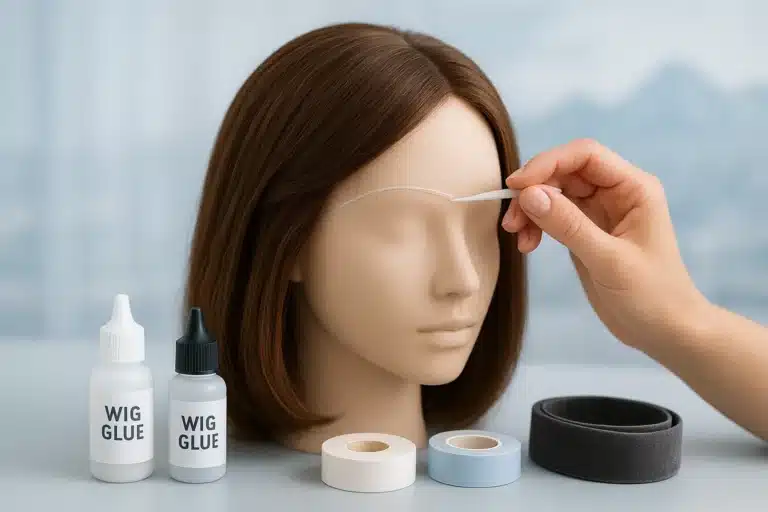
It depends on your base and preference. Tape is much easier for beginners to clean up, offers a strong hold, and is great for poly perimeters. Liquid adhesive takes more skill to apply and clean but provides the most undetectable, flush finish for exposed lace hairlines.
What if I sweat a lot?
If you are a heavy sweater or live an active lifestyle, opt for a French Lace base for breathability, paired with a specialized waterproof acrylic adhesive designed for high-perspiration bodies.
Taking Your Next Step
The decision to explore men’s hair replacement is deeply personal, but it doesn’t have to be navigated alone. The technology has evolved, the social stigmas are rapidly disappearing, and localized expertise in places like Brooklyn is better than ever. Start by identifying your lifestyle needs, researching your preferred base material, and reaching out to a local specialist for a private, no-pressure consultation. Your confidence is worth the investment.