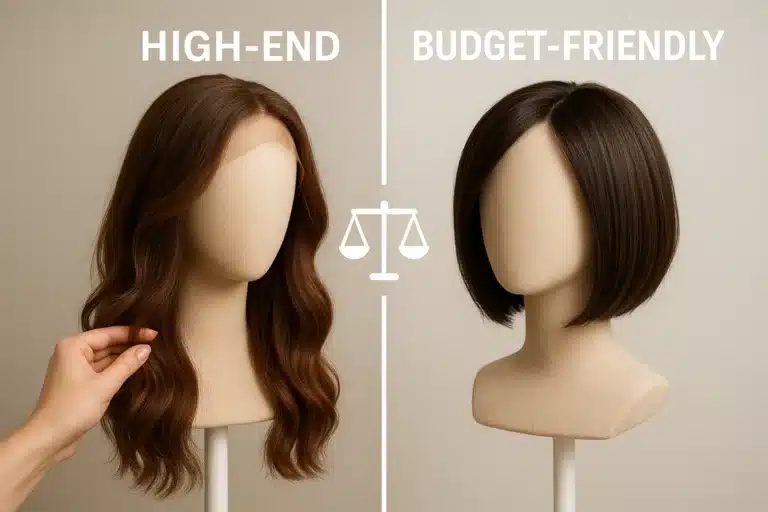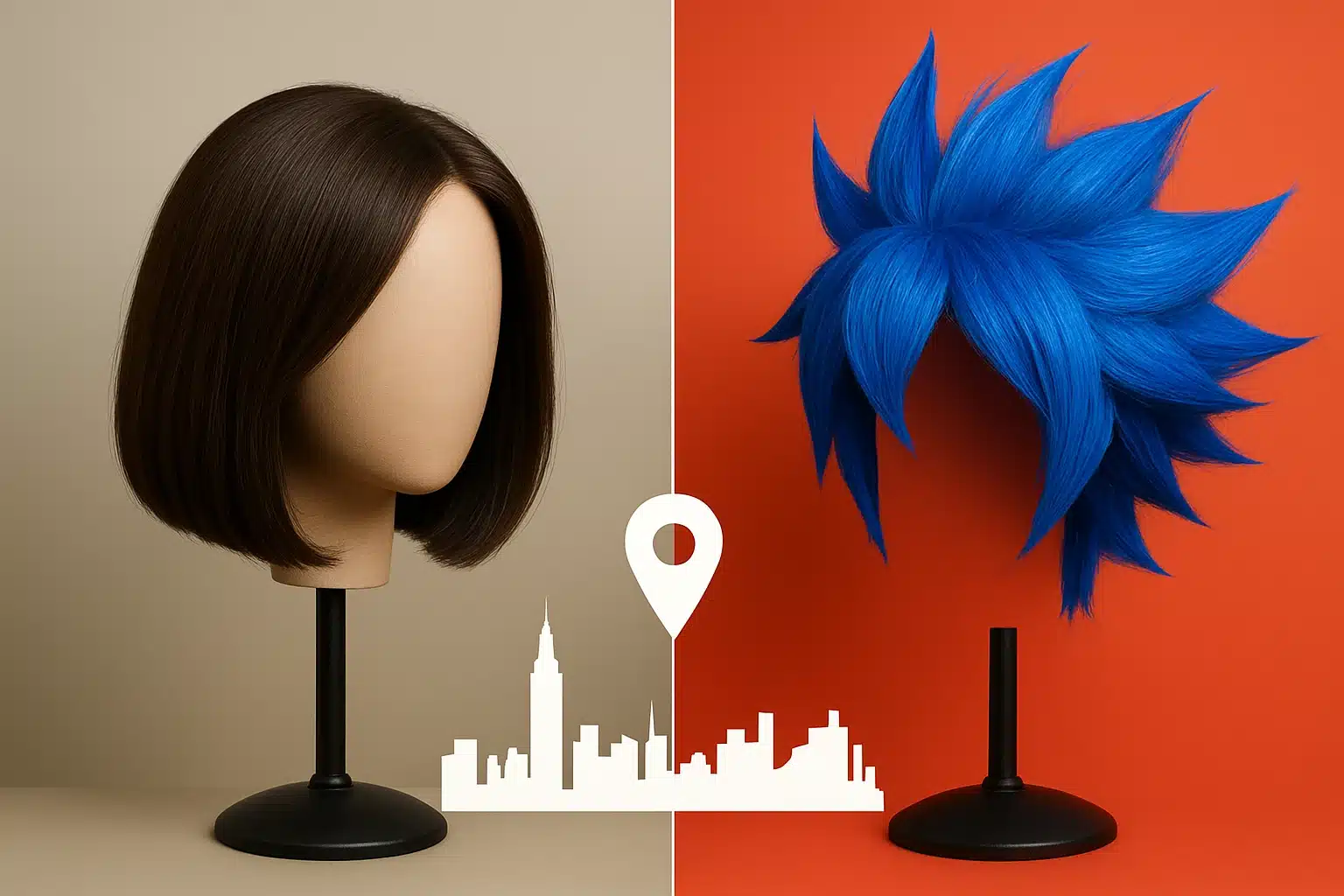
Picture this: You’ve just landed the lead in a local theater production, or perhaps you’re gearing up for your next major anime convention. You need a wig that defies gravity, withstands under-stage sweat, and looks incredible under harsh lighting. So, you hit the streets of Brooklyn, walk into the first highly-rated wig boutique you find, and suddenly realize you’re surrounded by exquisite, natural-looking human hair pieces designed for everyday wear—but absolutely nothing that resembles the towering, vibrant character hair you actually need.
This is a remarkably common experience. The Brooklyn wig landscape is incredibly diverse, but it is heavily segmented. Finding specialized stage costume wigs, unique cosplay bases, or theatrical facial hair requires a completely different approach than shopping for everyday fashion or medical hair loss solutions. If you’re planning a physical shopping trip and want to map out the borough’s retail hotspots, you’ll definitely want to consult the ultimate guide to the best wig stores in Brooklyn, NY to chart your course. But before you step foot in a store, let’s explore exactly what makes performance hair so unique and how to navigate Brooklyn’s thriving theatrical wig ecosystem.
Decoding Brooklyn’s Fragmented Wig Ecosystem
When searching for wigs in Brooklyn, you aren’t just looking for a store; you’re looking for a specific subculture. Searching generic terms often leads beginners astray because the borough is home to two very distinct wig-wearing communities.
The Crown Heights and Midwood Boutiques
In neighborhoods like Crown Heights and Midwood, you’ll find a concentration of high-end sheitel boutiques. These shops cater primarily to the Orthodox Jewish community, focusing on exceptional quality, 100% human hair designed for daily wear and religious modesty. While the craftsmanship here is unparalleled for natural, everyday looks, these aren’t the shops you visit when you need neon pink epic cosplay wigs or heavily styled, gravity-defying theatrical pieces.
The Bushwick and Bedford-Stuyvesant Performance Artisans
If you pivot toward Bushwick, Williamsburg, or Bedford-Stuyvesant, you enter the realm of drag artists, off-Broadway wardrobe stylists, and cosplay creators. This is where you’ll find custom artisan studios (many by appointment only) and beauty supply networks that stock the high-density, heat-resistant synthetic units required for stagecraft. Understanding this geographical split is your first step to avoiding a wasted trip.
The Science of Stage Hair: Why “Human Hair is Best” is a Theatrical Myth
In the world of everyday wigs, human hair is generally considered the gold standard. However, for the performing arts, this rule is frequently flipped on its head.
The Power of High-Temperature Synthetics
When you’re dealing with extreme silhouettes—think anime spikes or massive Victorian curls—human hair falls flat (literally). Human hair reacts to humidity and sweat exactly like the hair growing out of your head. High-temperature synthetic fibers, such as Kanekalon or Toyokalon commonly used in premium wigs for cosplay, are engineered with “style memory.” Once you steam or heat-set these fibers into a shape, they hold that shape whether you are doing backflips on a humid stage or walking through a rainy convention center.
Navigating Stage Lighting and Fiber Optics
One major challenge with synthetic stage costume wigs is the “shine factor.” Harsh theatrical spotlights can make cheaper synthetic fibers look plasticky and fake.
- The Pro Hack: Experienced wardrobe stylists de-shine overly glossy synthetic wigs using a light dusting of dry shampoo or translucent baby powder. This absorbs light rather than reflecting it, creating a natural matte finish that looks incredible on camera and from the front row.
Sourcing Specialized Character Demands
Building a character often requires hyper-specific hairpieces that general beauty stores simply don’t carry.
Theatrical Male Wigs and Facial Hair
Finding reliable theatrical male wigs can be particularly challenging. Men’s theatrical hair isn’t just about standard full-cap wigs; it involves complex integrations like lace-front toupees, mutton chops, and historical facial hair. For realistic male characters, the lace blending must be impeccable, as male hairlines are often highly exposed. Look for vendors or local stylists who specialize in “ventilating”—the meticulous process of hand-tying individual hairs into lace to mimic a natural male hairline.
Period Pieces and Fantasy Styles
If your production requires a judge’s powdered wig, a historical Marie Antoinette updo, or an ethereal elf, you will likely be hunting for theatrical wigs white in color. Pure white or silver wigs are notoriously difficult to manufacture well, as the tracks (the wefts of hair sewn into the cap) can easily show through light-colored hair. For these, you’ll want to seek out “high-density” wigs—meaning the hair is packed thickly onto the cap—to ensure full coverage during movement.
The Structural Mechanics: Fitting for the Stage
Buying a wig for a performance is a highly structural endeavor. A wig that slips halfway through a musical number is an actor’s worst nightmare.
Cap Architecture
Not all wig caps are created equal.
- Hard-Front Wigs: Great for characters with bangs, offering a defined, thick front edge.
- Lace-Front Wigs: Essential for characters whose hair is pulled back, as the delicate lace creates the illusion of hair growing directly from the scalp.
- Open-Weft Caps: Crucial for dancers and highly active performers, as the breathable gaps in the cap allow heat to escape from the scalp.
The “Four-Finger Rule”
How do you know where a wig should sit on your forehead? The industry standard is the “Four-Finger Rule.” Place your index finger horizontally resting on your brow bone, stacking your next three fingers above it. Where your top (pinky) finger rests is roughly where your natural hairline should begin. Securing your wig at this exact point prevents the dreaded “helmet head” look.
Securing Your Crown: Stage and Convention Prep
Even the highest-quality Brooklyn wigs won’t look the part if they aren’t properly secured.
- The Base: Cross-wrap and pin your natural hair flat against your scalp. Volume underneath ruins the silhouette above.
- The Cap: Use a mesh or nylon wig cap to contain stray hairs.
- The Anchor: For active stage combat or heavy choreography, bobby pins aren’t enough. Theatrical professionals rely on spirit gum, medical-grade lace tape, or specialized adhesives applied directly to the skin just below the hairline to anchor the lace front seamlessly.
Frequently Asked Questions (FAQ)
What is the main difference between an everyday wig and a cosplay wig?
Everyday wigs prioritize natural density, realistic colors, and comfort for extended wear. Cosplay and theatrical wigs prioritize high hair density (to hide the cap during aggressive styling), vibrant unnatural colors, and structural style-memory fibers capable of holding extreme shapes.
Can I use regular hair tools on a synthetic theatrical wig?
Only if the wig is explicitly labeled as “heat-resistant.” Standard synthetic fibers will melt to your curling iron. Always check the manufacturer’s heat limit (usually around 300°F – 350°F) and test a hidden strand at the nape of the neck before applying heat to the main body of the wig.
Do I need to buy a custom wig, or can I style an off-the-rack wig?
It depends on your skill level and budget! Many performers buy a high-quality, dense off-the-rack synthetic wig and take it to a specialized Brooklyn wigmaker for a custom cut and style. This is often more cost-effective than having a wig fully hand-made from scratch.
How do I maintain a theatrical wig for a multi-week run?
Between performances, keep the wig on a canvas blockhead to maintain its shape. Gently detangle the ends using a wide-tooth comb and a synthetic-safe detangling spray after every use. Never sleep in a styled theatrical wig!
Your Next Steps in the Journey
Finding the perfect theatrical or cosplay wig in Brooklyn is an adventure that blends creative vision with practical engineering. Whether you are hunting for an ultra-realistic historical piece or a brightly colored fantasy unit, understanding the difference between high-temp synthetics, cap constructions, and local neighborhood specialties will save you time, money, and stage-fright.
Take the time to explore your options, don’t be afraid to ask questions about fiber limits and lace types, and remember that a great wig is the ultimate finishing touch to bring your character to life. Happy hunting, and break a leg!