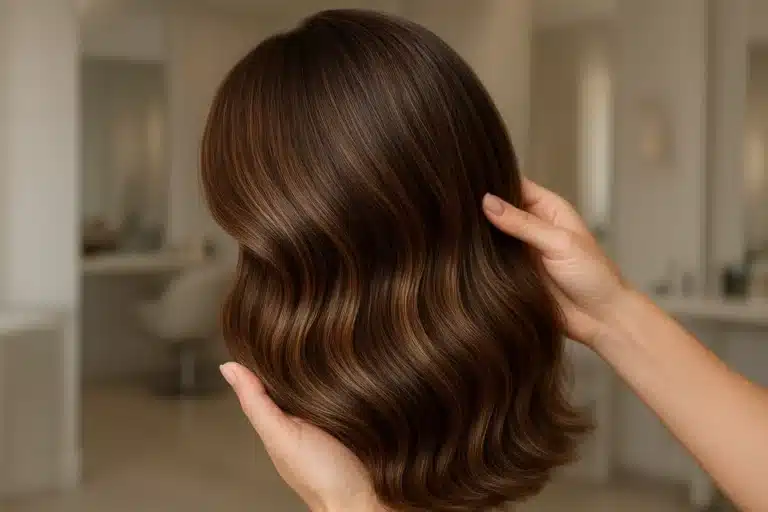
Stepping out with a new wig is an empowering, transformative experience. Whether you are navigating medical hair loss, transitioning your everyday hairstyle, or adopting alternative hair for fashion, finding the perfect piece is a major milestone. But as many wig wearers in Western Pennsylvania quickly discover, bringing your new hair home is only the beginning of the journey. The true secret to ensuring your wig looks natural, feels comfortable, and lasts for years lies entirely in how you maintain it.
If you are just beginning to explore local retailers, our complete guide to the best wig stores in Pittsburgh, PA provides essential context on where to source high-grade units. Once you have found a wig you love, your next priority is building a dedicated accessory and maintenance toolkit. From the complex molecular structure of synthetic fibers to the delicate hand-tied knots of human hair pieces, let’s explore exactly what your wig needs to thrive—and where you can find these essentials right here in Pittsburgh.
The Anatomy of Wig Maintenance: Fiber-Specific Science
One of the most common beginner mistakes is treating alternative hair like biological hair. To understand what accessories and products you need, you first have to understand the science of wig fibers.
- Human Hair Wigs: These porous strands require intense moisture. Because they are no longer attached to a scalp that produces natural sebum (oils), they rely entirely on the hydration you provide.
- Traditional Synthetic Wigs: Made from modacrylic fibers, these are essentially spun plastics with a specialized silicone coating that mimics the luster of real hair. They have memory and hold their style, but they are highly sensitive to friction and heat.
- Heat-Defiant (HD) Synthetic Wigs: A specialized fiber that can withstand precise heat styling (usually between 270°F and 280°F) but requires specific friction-reducing maintenance to prevent severe tangling.
The Household Hack Myths: Dish Soap and Fabric Softener
If you’ve browsed TikTok or Reddit for wig care, you’ve likely seen viral hacks suggesting you wash wigs with Dawn dish soap or soak them in fabric softener. Do not do this.
Dish soaps contain heavy surfactants meant to break down grease; on a wig, they aggressively strip away the factory silicone sealants, leaving the fibers brittle and dull. Conversely, fabric softeners leave an impermeable chemical film on synthetic hair. This film attracts dust, creates static, and results in irreversible fiber stiffness. Proper alternative hair care requires formulated, pH-balanced products.
Building Your Essential Accessory Toolkit
Before you worry about washing and styling, you need the daily structural tools to wear and store your wig safely.
Foundation and Grip
Comfort starts at the scalp.
- Wig Caps: Nylon or mesh caps keep your biological hair flat and create a barrier between the wig base and your natural scalp oils.
- Velvet Grips and Silicone Bands: If your wig shifts throughout the day, velvet friction bands or silicone hybrid grips are game-changers. They eliminate the need for harsh adhesives while keeping your unit entirely secure.
Structural Storage: The Styrofoam Trap
Many beginners buy a cheap styrofoam head to store and dry their wig. This is a crucial mistake, especially when the wig is wet. Wet fiber is heavy, and placing a damp wig on a solid styrofoam block stretches the delicate elastic cap webbing.
- For Drying: Always use a collapsible open-air plastic or wire stand. This preserves the standard 21.5″ cap circumference and promotes 360-degree airflow, preventing mildew.
- For Styling: Use a solid canvas block head mounted to a table with a C-clamp, securing the wig with T-pins only at the reinforced ear tabs and nape, never through the delicate lace front.
Detangling Tools
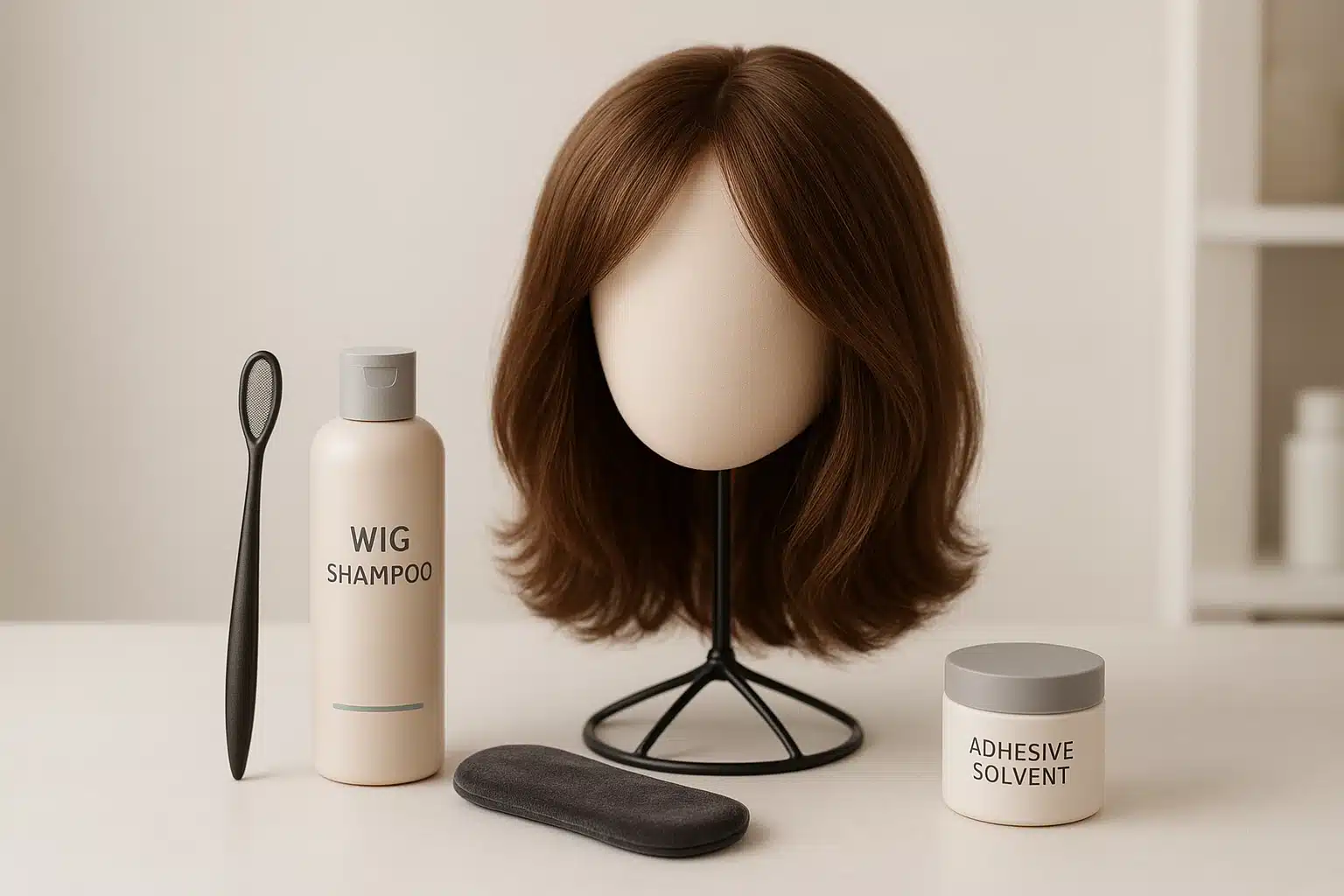
Standard hairbrushes will tear wig lace and snap synthetic fibers. Invest in a wide-tooth anti-static metal comb or a specialized loop brush (which features looped bristles that glide over hand-tied knots rather than catching on them).
Formulated Care Products: Cleanse, Condition, and Protect
When shopping for liquid care products, look for specialized formulas designed strictly for alternative hair.
The Knot Slippage Warning
When applying conditioners, heavy oils, or leave-in treatments, you must practice the “mid-shaft to ends” technique. Never apply conditioner directly to the root or cap base. Conditioners lubricate and relax the tiny, hand-tied knots at the lace grid. If these knots loosen, your wig will experience massive, unfixable shedding.
Adhesives and Solvents
If you wear a lace-front wig and prefer a melted, skin-like finish, you’ll need adhesives. Water-based glues (like Ghost Bond) are gentle on the skin, while medical-grade tapes offer less mess. Just as important as the glue is the solvent; always use an alcohol or citrus-based adhesive release (like C-22) to dissolve the glue before removal. Peeling a glued wig off dry will tear the Swiss lace and rip out your natural edges.
Step-by-Step Washing and Restoration Protocols
A good rule of thumb is the “6-to-8 Wear Rule.” Wash your wig after 6 to 8 full days of wear to prevent sweat and environmental buildup.
For Synthetic Wigs:
- Detangle gently with a wide-tooth comb.
- Fill a basin with cool water and a capful of synthetic wig wash.
- Submerge and gently swish. Never scrub, wring, or twist the fibers.
- Rinse in cool water and allow to air dry completely on a wire stand before brushing.
For Human Hair Wigs:
- Hold the wig under cool, running water (keeping the hair traveling in one downward direction).
- Lather human-hair-safe, sulfate-free shampoo from the top down.
- Apply deep conditioner from the mid-shaft to the ends, keeping it far away from the root knots.
- Rinse and tension blow-dry on a low-heat setting.
A Quick Note on Pittsburgh Water: The municipal tap water in Allegheny County can have variable mineral hardness. Rinsing human hair wigs with filtered or cool water prevents mineral deposits that cause stiffness and dullness over time.
Troubleshooting “Nape Frizz”
The friction from synthetic fibers rubbing against collared shirts, coats, and skin generates static electricity, leading to micro-crimping at the nape of the neck. To manage this, spray a silicone-based detangler on the nape before and after wear. For advanced users, low-heat steamers can smooth out this friction frizz without melting the fibers.
Pittsburgh Regional Resource Guide: Where to Find Wig Supplies
When you need lace tape on a Saturday morning or want to browse human hair care lines in person, the Pittsburgh area has several fantastic localized resources:
- Serenity Wig Salon (Squirrel Hill): Best for medical hair loss consultations and specialized, high-end care products. They offer a boutique environment perfect for private fittings and professional maintenance advice.
- The Hair Depot (Swissvale / Regent Square): A phenomenal urban beauty supply hub. This is a go-to spot for an extensive variety of velvet grips, wig caps, and foundational adhesives.
- Yerimah’s Sisters Beauty Supply (Downtown Pittsburgh): Centrally located and heavily stocked, they offer a wide array of budget-friendly daily care essentials, wide-tooth combs, and styling tools.
- Queen’s Hair & Beauty Supplies (East Allegheny / North Side): Known for carrying diverse product lines, this is a great location for finding lace glues, adhesive solvents (like C-22), and heavy-duty styling blocks.
- Sally Beauty (Multiple Allegheny County Locations): Excellent for immediate access to canvas block heads, T-pins, loop brushes, and standard wig shampoos.
Frequently Asked Questions (FAQ)
How often should I wash my wig?
Follow the 6-8 wear rule. If you wear your wig every day, aim to wash it once a week. Over-washing strips human hair of moisture and degrades synthetic fibers, while under-washing allows scalp oils to deteriorate the cap materials.
Can I use regular heat tools on my synthetic wig?
Only if the wig is explicitly labeled as Heat-Defiant (HD) or Heat-Friendly. Standard synthetic wigs will melt instantly under a curling iron. For HD synthetics, keep your styling tools strictly between 270°F and 280°F. Human hair wigs can tolerate up to 350°F, but always use a thermal protectant spray.
How do I safely remove waterproof lace glue?
Never peel the lace. Saturate the hairline with a specialized adhesive solvent (citrus or alcohol-based). Wait 2 to 3 minutes for the solvent to break down the acrylic or water-based glue, and the lace will lift away from your skin with zero tension.
Why is my wig suddenly shedding heavily?
This is almost always a result of knot slippage. Applying thick conditioners to the root, washing in hot water, or vigorously scrubbing the cap loosens the delicate knots tied to the lace front. Always treat the lace base like fine silk.
Taking the Next Step in Your Hair Journey
Mastering wig care doesn’t happen overnight. It’s a blend of molecular fiber science, the right structural tools, and a bit of patience. By building a dedicated toolkit with sulfate-free cleansers, knot-safe conditioners, and the proper drying stands, you protect your investment and ensure you step out feeling beautiful and confident every single day.
If you are currently researching the best options for high-quality alternative hair or looking to transition into a new style, take your time to explore product ecosystems tailored to your specific needs. The right wig—paired with the right care routine—is truly life-changing.