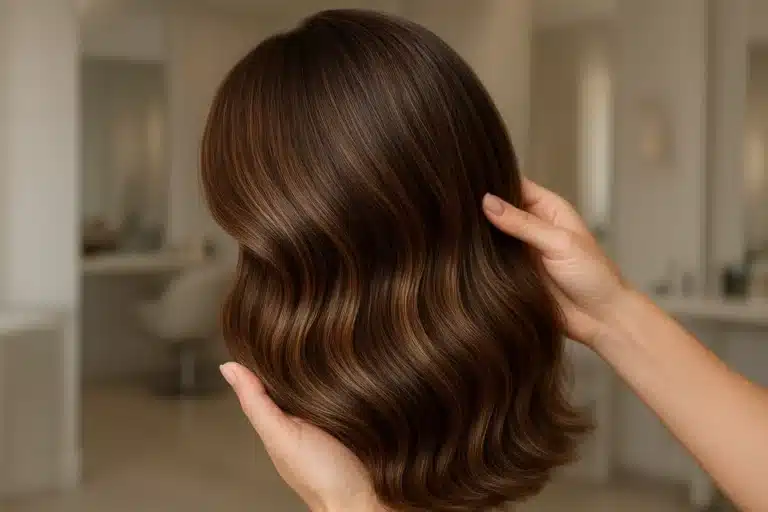
You’ve done the research, found your dream style, and finally brought it home. But when you slide that brand-new wig out of its pristine packaging and onto your head, something feels off. Instead of looking like a seamless, natural hairline, it might feel a bit heavy, bulky, or just too “perfect.” If you’re nodding your head, take a deep breath—you haven’t bought the wrong piece. You’ve simply discovered the alternative hair industry’s best-kept secret: almost no wig looks completely natural straight out of the box.
Transforming a factory-standard unit into a flawless, scalp-mimicking hairpiece requires professional personalization. If you’ve already been consulting resources like our guide to the best wig stores in Little Rock, AR to find that perfect base piece, your journey is only halfway complete. The next crucial step is post-purchase customization. Whether you are navigating medical hair loss, exploring daily fashion, or prepping for a cosplay event, let’s pull back the curtain on exactly how wigs are customized and how you can find the right local services to bring your vision to life.
The Foundation: Why Out-of-the-Box Wigs Look “Wiggy”
Factory wigs are essentially blank canvases. To accommodate a wide variety of head sizes and style preferences, manufacturers intentionally create wigs with excess hair density and blunt, uniform hairlines. They leave extra lace for you to trim, and the tiny knots where the hair is tied to the cap are often visible against the skin.
Without customization, these elements combine to create a “helmet-like” appearance. Professional styling bridges the gap between a manufactured product and a bespoke hairpiece that moves, breathes, and looks beautifully natural on your specific head shape.
The Anatomy of Customization: The “Scalp Illusion” Triad
Achieving true realism isn’t about one single technique; it’s about a specialized order of operations. Master wig stylists follow a specific formula—known as the Scalp Illusion Triad—to create a believable look.
1. Depth (Knot Bleaching & Lace Tinting)
On lace-front and full-lace wigs, hair is tied to the cap in tiny knots. On dark hair, these knots look like tiny black dots on your forehead. A professional stylist will carefully apply a chemical bleach mixture (typically a 1:1 ratio of bleach to 20-volume developer) to lighten these knots so they blend invisibly into the lace. Afterward, lace tinting matches the sheer material precisely to your unique skin tone.
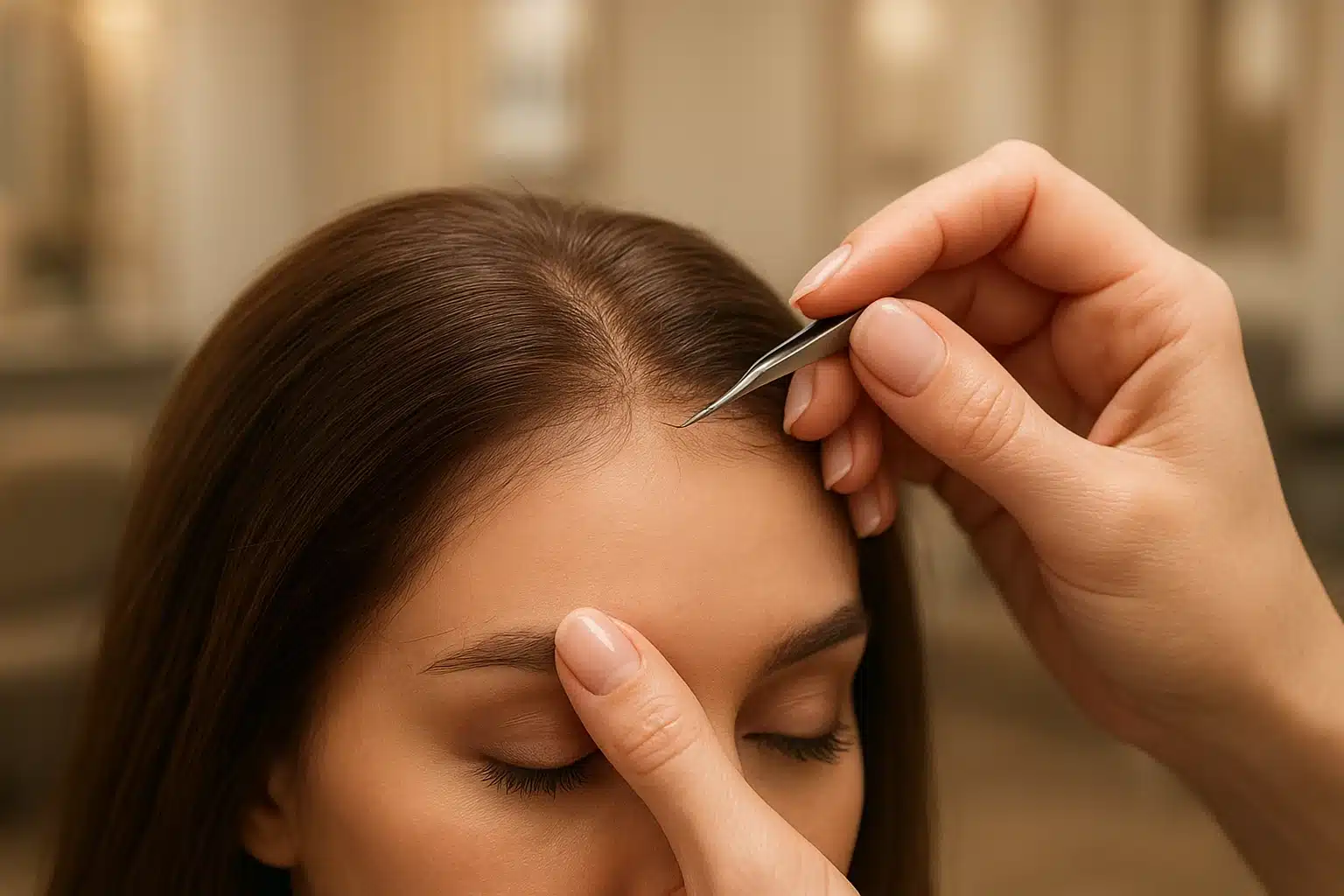
2. Transition (Hairline Plucking & Gradients)
Natural hairlines are not solid, dense walls of hair. They are softly graduated, with finer “baby hairs” at the front that slowly build into thicker density. Stylists use tweezers to painstakingly pluck the hairline, creating a natural gradient. Note: Chemical processing (bleaching) must always happen before mechanical alteration (plucking) to protect the integrity of the delicate lace.
3. Movement (De-Bulking and Face Framing)
Factory wigs often carry 130% to 150% hair density. Stylists use specialized shears and razors to remove internal bulk without creating patchy holes in the cap. This allows the hair to sway naturally, tuck easily behind the ear, and frame your facial structure beautifully.
Material Matters: Human Hair vs. Synthetic Customization
One of the biggest hurdles beginners face is understanding that a wig is not just “hair”—it’s a specific textile that requires distinct chemistry and mechanics.
The Regular Salon Fallacy
Many wearers assume they can take a synthetic wig to their usual hair salon for a quick trim. Unfortunately, synthetic fibers are essentially finely spun plastics. Standard cosmetology shears will dull rapidly on synthetic hair, and traditional cutting techniques can leave the ends looking frayed and frizzy. This is why many traditional stylists will politely decline to cut a synthetic wig unless they hold a specific certification in alternative hair.
The Science of Styling
- Human Hair Wigs: These units can be cut, colored, and heat-styled just like the hair growing from your scalp. They offer maximum versatility but require daily styling and maintenance.
- Synthetic Wigs: Standard synthetics have a “style memory” baked in at the factory. Instead of flat irons or curling wands—which will instantly melt the fibers—specialists use controlled, low-temperature commercial steamers to permanently reshape the fiber structure.
Navigating Professional Salon Services in Little Rock
Central Arkansas has a growing landscape of alternative hair specialists, but knowing where to go and what to expect is key.
Local Provider Dynamics
In Little Rock, you’ll find wig customization offered across a few different formats:
- Traditional Salons with Wig Specialists: Establishments like That French Salon or Peacock Beauty often have dedicated specialists. It’s common for salons to charge a consultation fee (usually around $25, which is sometimes credited toward your service) to assess your wig and measure your head.
- Independent Suite Stylists: Many talented braiders and wig technicians operate out of salon suites (frequently bookable via apps like Booksy or StyleSeat). In Pulaski County, a standard lace customization and installation typically ranges from $100 to $150, depending on the complexity.
- Medical Resource Centers: Places like the CARTI Appearance Center provide essential guidance and medically adapted fittings for patients experiencing treatment-related hair loss, focusing on comfort and soft, natural everyday styles.
The Pre-Appointment Client Hand-Off Protocol
If you are taking an already-worn wig to a Little Rock stylist for a refresh or customization, follow this checklist to ensure they can work on it safely:
- Detangle Gently: Brush from the ends working upward to the root.
- Wash and Dry: Never bring a dirty, adhesive-covered wig to a stylist unless you are specifically paying for a deep-cleaning restoration service.
- Note the Material: Know exactly what fiber your wig is made of (Human, Synthetic, or Heat-Defiant Synthetic) so the stylist knows their heat parameters.
Advanced Customization: From Medical Wear to Character Styling
Customization isn’t just for everyday realism. The foundational cosmetology principles apply universally, whether you are softening a medical bob or sculpting high-volume character styles for a convention.
Techniques like crimping the roots, razor texturing, and steam-setting can be used to build massive, gravity-defying volume for pop-culture and anime styles (like spiked or deeply curled vintage aesthetics). A skilled alternative hair stylist understands how to manipulate fiber tension to achieve any look without exposing the wig’s structural wefts.
Surviving the Arkansas Climate: Longevity and Care
Let’s be honest: Central Arkansas humidity is unforgiving. The moist, heavy heat can drastically affect both your wig and how it adheres to your scalp.
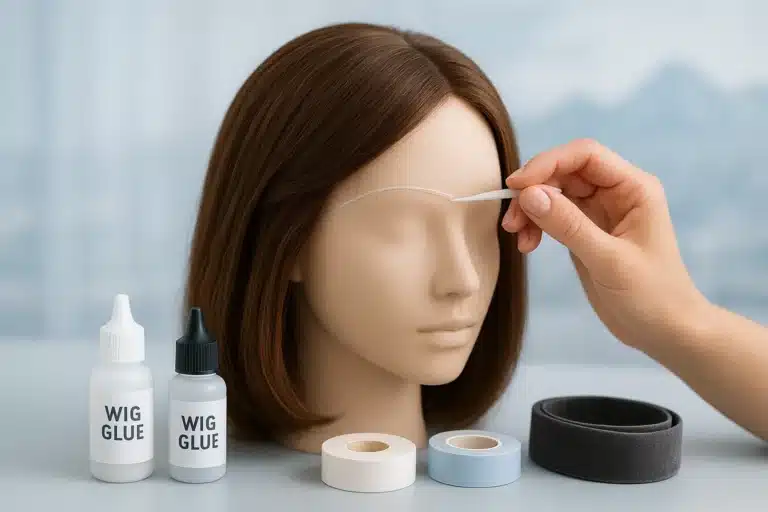
- Adhesive Breakdown: High humidity and sweat can cause lace glues and tapes to loosen prematurely. In the peak of a Little Rock summer, you may need to switch to sweat-resistant acrylic adhesives or rely on glueless installation methods (like velvet wig grips or adjustable elastic bands).
- Synthetic Frizzing: While synthetic wigs hold their style in the humidity beautifully compared to human hair, the friction of wearing them in hot weather can cause the nape of the neck to tangle and “pill.” Regular detangling with a wide-tooth wig comb and applying a silicone-based finishing spray will greatly extend the lifespan of your unit.
Frequently Asked Questions (FAQ)
What is the “four-finger rule” for wig placement?
The four-finger rule is a basic beginner guideline suggesting you place the wig’s hairline four fingers’ width above your eyebrows. However, a professional stylist will focus on true natural anatomy instead. They will align the lace with your natural frontal muscle movement so the wig doesn’t shift awkwardly when you raise your eyebrows.
Why do synthetic wigs require steam instead of flat irons?
Synthetic hair is made from acrylic or polymer fibers. Traditional direct heat (like a curling iron) will melt the plastic instantly. Commercial steamers provide a gentle, deeply penetrating heat that softens the plastic just enough to mold it into a new shape, locking in the style once it cools.
Can a regular hair salon cut and style my wig?
Usually, no. Unless a cosmetologist is specifically trained in alternative hair, they may not understand how to properly de-bulk a wig cap without exposing the structural tracks. Furthermore, cutting synthetic fibers quickly destroys expensive professional salon shears. Always seek out a certified wig specialist.
What is the difference between lace tinting and knot bleaching?
Knot bleaching chemically lightens the tiny dark dots where the hair is tied to the lace, creating the illusion of hair growing directly from the scalp. Lace tinting is the subsequent process of dyeing the actual lace fabric to seamlessly match your unique skin tone.
Continuing Your Hair Journey
Entering the world of wigs is an incredibly empowering journey, allowing you to reclaim your confidence and express your personal style on your own terms. Understanding the magic behind post-purchase customization takes the anxiety out of the process, shifting your perspective from “Will this look real?” to “How do I want this to look?”
When you’re ready, reach out to local Little Rock alternative hair specialists. Ask questions about their experience with your specific wig material, schedule a consultation, and take that final, exciting step toward a hairpiece that feels entirely, unapologetically yours.