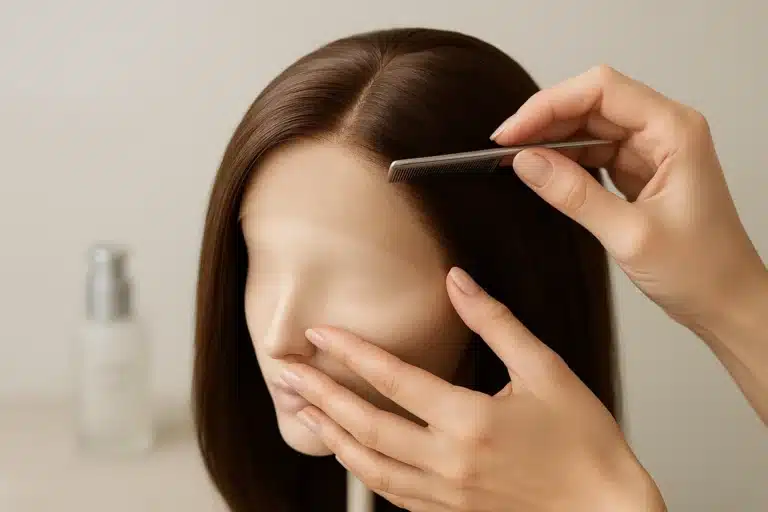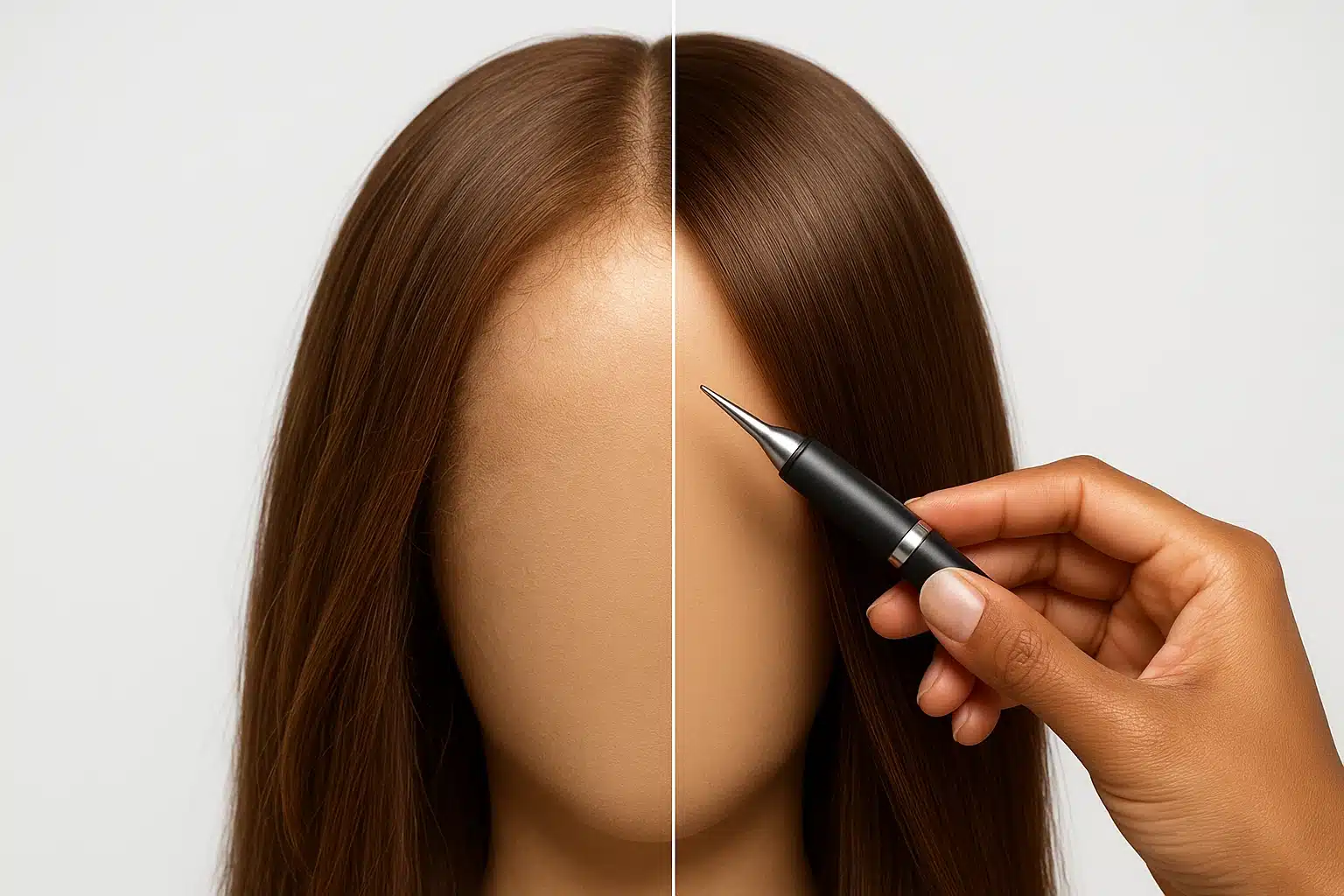
Imagine spending hundreds, perhaps even over a thousand dollars, on a beautifully crafted wig, only to notice the delicate lace fraying at the hairline a few months later. Or maybe your favorite daily-wear synthetic unit has developed a stubborn, matted nest right at the nape of your neck. For many wearers in the East Bay, this is the moment panic sets in. Is the hairpiece ruined? Do you have to throw it away and start over?
The short answer is absolutely not. Whether you wear a unit for medical hair loss, fashion, or protective styling, knowing how to salvage it is a game-changer. Before you toss out a valuable investment or attempt a risky DIY fix, it helps to understand what the best wig stores in Oakland, CA and their affiliated local specialists can actually do to save your unit. From complex lace re-ventilation to professional silicone steam treatments, expert wig repair can extend the lifespan of your piece by years—saving you money and preserving your confidence.
The Damage Triage: Fiber Degradation vs. Structural Failure
When a wig starts looking worse for wear, the first step is determining what kind of damage you’re dealing with. Wig wearers generally face two categories of wear and tear: fiber degradation (the hair itself looks bad) and structural failure (the cap or lace is falling apart).
Knowing the difference is the key to deciding whether you need a 30-minute at-home wash, a professional salon deep-steam, or an advanced structural reconstruction.
Anatomy of a Wig Breakdown
Your wig’s foundation is an intricate matrix of delicate materials. Understanding how they break down helps prevent future damage:
- Balding Part Lines and Crown Thinning: Hairs are tied to the lace base using tiny knots. The delicate, transitional hairline usually features “single knots” for an invisible look, while the thicker crown uses “double knots” for durability. Aggressive DIY brushing, especially when the lace is wet, easily snaps these knots, causing the wig to “go bald.”
- Lace Matrix Tearing: The ultra-fine Swiss or HD lace that gives you a flawless hairline is incredibly fragile. Tugging the wig from the lace edge instead of the ear tabs can cause small rips that eventually tear across the forehead.
- Cap Expansion: Over time, the elastic bands and polyurethane perimeter grips that keep your wig secure can stretch out, leaving you with a loose, shifting hairpiece.
Structural failures like torn lace or balding crowns cannot be fixed with shampoo. They require professional intervention, which is where local Oakland specialists come into play.
Synthetic vs. Human Hair Triage: The Chemical Reality
Treating a synthetic wig like a human hair wig—or vice versa—is the quickest way to ruin it. They possess completely different chemical makeups and require distinct restoration techniques.
The “Fabric Softener” Fallacy
If you’ve ever searched online for ways to fix a stiff, tangled synthetic wig, you’ve probably stumbled across the advice to soak it in fabric softener. This is one of the most widespread and damaging myths in the wig community.
Synthetic wigs are made from plastic polymers (like modacrylic fibers, Kanekalon, or Toyokalon). Cationic fabric softeners coat these plastic fibers with non-water-soluble waxes. Initially, this feels soft, but that wax quickly turns into a magnet for dust, dirt, and environmental debris. Worse, if you try to heat-style a synthetic wig coated in fabric softener, the wax bakes into the plastic, causing irreversible melting and frizz.
The Professional Alternative: Instead of fabric softener, Oakland repair specialists use professional silicone emulsions paired with controlled moist heat (steaming between 140°F and 180°F) to reset the fiber’s memory and restore that silky, brand-new slip.
Combating Nape Matting (“Cleaning Up Neck Hair”)
Whether you wear affordable wigs or luxury pieces, if the hair falls past your collar, you will experience nape matting. Wearers often don’t realize that these stubborn tangles are caused by mechanical abrasion—friction from your collar, scarves, and natural head movements.
Most novice guides simply say “comb it gently.” However, authoritative care requires sectioned steam detangling, micro-trimming the frayed fiber ends, and sometimes wearing silk-lined collars to prevent the friction altogether.
Human Hair Rescue: Protein and Moisture Balance
Unlike synthetic polymers, human hair wigs have a porous cuticle. Because the hair is no longer attached to a scalp, it receives no natural sebum (oils). Over time, the hair becomes highly dry and brittle. Restoring a human hair wig involves clarifying washes to remove product buildup, followed by acidic protein masks and thermal heat protectants to seal the cuticle and realign the hair shaft. Textured units, such as a human hair kinky wig, demand even more specialized deep-moisture treatments to maintain their curl pattern without weighing the hair down.
Professional Services: What East Bay Specialists Actually Do
When at-home care isn’t enough, Oakland’s specialized salons—from the cranial prosthetics hubs along Broadway and Telegraph Avenue to full-service revamps near Grand Ave and San Leandro—offer technical services you can’t do at home.
- Lace Re-Ventilation: If your wig has a bald spot, a professional can perform “re-ventilation.” Using tiny ventilating hooks, they meticulously hand-knot replacement hair back into the Swiss or HD lace, restoring a dense, natural parting space.
- Lace Hole Mending: A torn lace front doesn’t mean the wig is dead. Specialists use invisible micro-stitching techniques to patch the lace grid, reinforcing the tear so it stops spreading while remaining undetectable against your skin.
- Cap Alteration and Resizing: Professionals can deconstruct the wig cap, tighten the circumference, and replace worn-out ear tabs and elastic bands so your unit fits snugly and securely once again.
Navigating Medical Cranial Prosthesis Insurance
For medical wig wearers—such as those navigating alopecia or oncology treatments—maintenance and replacement go beyond aesthetics; it’s a healthcare necessity.
Many patients in Alameda County are unaware that specialized wig repairs, maintenance, or replacement units can be covered by medical insurance if billed correctly. To navigate this:
- Use the Right Terminology: Your dermatologist or oncologist must write a prescription specifically for a “Cranial Scalp Prosthesis”—never just a “wig.”
- Know Your Codes: When submitting claims, the standard HCPCS code for billing is A9282 (Wig, any type), though some providers use S8095.
- Consult Local Experts: Oakland hair loss and salon portals are well-versed in providing the exact invoice structures you need to secure reimbursement from East Bay insurance providers.
The Essential At-Home Wig Care Toolkit
Preventative maintenance is the best way to avoid costly repairs. Your at-home toolkit should be tailored not just to the fiber type, but to the style you wear. For instance, maintaining a silver grey pixie cut requires far less detangling than long, flowing styles, while short trendy grey hairstyles often need specialized edge-control brushes for styling baby hairs.
The Brush Application Guide
Using the wrong brush is the leading cause of lace tearing and knot breakage.
- Wide-Tooth Comb / Wire Looped-Pin Brush: This is the only tool you should use for structural detangling. The looped pins glide over the hand-tied knots without catching or snapping them. Always detangle from the ends, working your way up to the roots.
- Soft Boar Bristle Brush: Strictly reserve this for laying down surface flyaways, baby-hair styling, and edge control. Never use a boar bristle brush to detangle knotted lace, as the stiff bristles will rip the hair directly out of the cap.
Storage and Heat Limits
Store your wigs on collapsible stands or in silk bags to prevent moisture loss and dust accumulation in a temperature-controlled environment. Always respect heat limits: traditional synthetics will melt under curling irons, while “heat-friendly” synthetics generally cap out safely around 275°F to 300°F.
A Universal Standard of Care
While this guide heavily features the vibrant Oakland and East Bay hair care ecosystem, the principles of technical wig maintenance are universal. Whether you are seeking wigs rochester mn residents recommend, or browsing boutiques for wigs lexington ky shoppers trust, recognizing when to self-triage and when to call a professional will protect your investment no matter where you live.
Frequently Asked Questions (FAQ)
Can a ripped lace front wig actually be fixed?
Yes. As long as the tear isn’t overwhelmingly massive, professional wig repair specialists can use invisible micro-stitching and spare lace patches to mend the grid, stopping the tear and hiding the damage.
How much does re-ventilation cost compared to buying a new wig?
Re-ventilation (adding hair back to balding spots) typically costs between $100 and $250 depending on the size of the area. If your human hair wig cost $800 to $1,200, professional re-ventilation is highly cost-effective compared to buying a complete replacement.
Why does the hair at the back of my neck get so matted?
This is known as nape friction frizz. It occurs due to the mechanical rubbing of the wig fibers against your back, collars, and scarves. It can be treated by sectioning the hair, using a wire looped-pin brush, and applying professional steam and silicone spray to smooth the damaged cuticles or plastic fibers.
Should I wash my wig after every wear?
No. Over-washing strips human hair of added moisture and degrades synthetic fibers. As a general rule, wash your unit after 8 to 10 full days of wear, or when you notice visible product buildup, dullness, or a lack of movement in the hair.
Next Steps for Your Hair Journey
Your wig is an investment in your personal style, confidence, and comfort. By understanding the chemical realities of your hairpiece, utilizing the right tools, and knowing exactly when to step away and hand the unit over to an Oakland repair professional, you guarantee your wig will stay beautiful for years to come. Take a look at your current pieces today—do they need a simple looped-pin detangle, or is it time to schedule a restorative steam treatment?