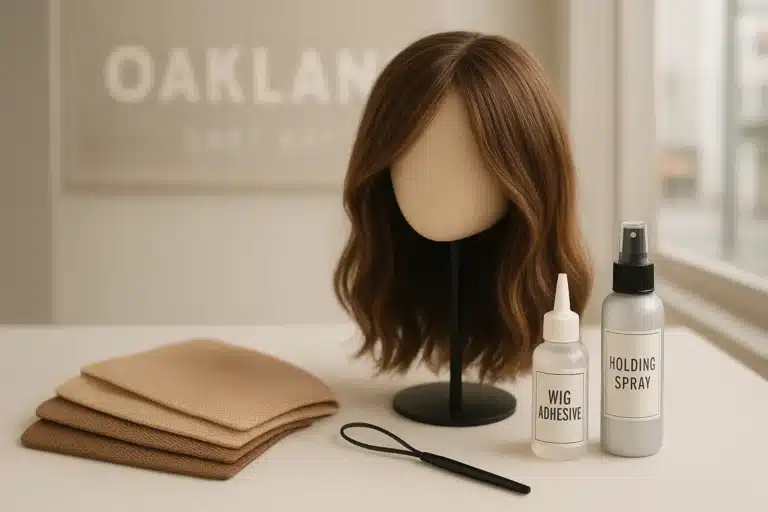
Medical and stress-induced hair loss—whether triggered by chemotherapy, alopecia areata, or rapid hormonal shifts—is an intensely vulnerable transition. For many navigating this reality, the very idea of walking into a brightly lit retail beauty shop or browsing crowded racks under harsh fluorescent lighting can trigger profound anxiety. You aren’t just looking for a product; you are looking for clinical empathy, acoustic privacy, and a space where you can ask sensitive questions with dignity.
If you are beginning this journey in Central Texas, you no longer have to settle for a transactional experience over a crowded retail counter. As explored in our comprehensive guide to the best wig stores in Austin TX, the modern alternative hair shopping experience has evolved significantly. Today’s consumers have access to compassionate, closed-door boutiques that prioritize one-on-one appointments, helping you rebuild your confidence in a safe, judgment-free environment.
Here is everything you need to know to navigate your first private wig consultation, understand the mechanics of alternative hair, and protect your privacy every step of the way.
Demystifying the Private Wig Consultation
When you book a private consultation, the goal is to eliminate the fear of the unknown. Unlike standard retail environments, these dedicated appointments are designed around your emotional and physical comfort.
What Actually Happens?A private fitting usually begins with a pre-visit digital intake form, allowing the specialist to understand your hair loss stage and preferences before you even walk through the door. During the appointment, a trained fitter will conduct a scalp analysis, take precise anatomical measurements, and guide you through try-on sessions in a private suite. You do not need to shave your head prior to these appointments; your specialist will show you how to comfortably wrap and secure your existing hair.
The Companion EtiquetteIt is highly recommended that you bring a companion—but generally just one trusted advocate. A single supportive friend or family member provides emotional grounding and a helpful second opinion without creating an overwhelming environment in the fitting room.
Understanding Consultation FeesIn the Austin area, it is standard for specialty salons to charge a consultation fee ranging from $40 to $100. Don’t let this deter you; this fee secures an hour or more of a professional’s undivided attention and is routinely credited toward any purchase you make that day.
Foundational Wig Education: Finding Your Perfect Fit
Before you step into a boutique, having a basic understanding of cap mechanics and hair fibers will help you communicate exactly what you need.
Cap Mechanics for the Austin Heat
Austin’s extreme summer heat and humidity demand breathable solutions. The cap construction you choose dictates how comfortable you will be in July.
- 100% Hand-Tied Monofilament (Mono Top): This is the gold standard for medical hair loss. Each hair is individually tied to a soft, breathable mesh that mimics natural hair growth and won’t irritate a sensitive scalp.
- Lace Front: Features a sheer lace panel at the forehead, creating an invisible, natural-looking hairline that allows you to pull the hair away from your face.
- Open Wefted: A lightweight cap constructed with fabric strips (wefts) that allow maximum air circulation to the scalp.
The Danger of the “Tightness Trap”
Many first-time buyers mistakenly believe that intense pressure equals security. In reality, tight fitting wigs pose physiological dangers, including the occlusion of temporal arteries, painful pressure sores, and tension headaches. A properly fitted cranial prosthesis should feel like a gentle hug, not a vice. True non-slip security comes from matching the cap to your exact circumference and utilizing breathable silicone grip bands to anchor the piece comfortably.
The “Four-Finger Rule” and Density
A common beginner mistake is pulling the piece too far down the forehead, which instantly looks unnatural. The “Four-Finger Rule” is a simple anatomical milestone: the front edge of the lace should sit exactly four finger-widths above your eyebrows.
Additionally, pay attention to hair density. Excessive density screams “fake.” Look for light-to-medium density (100%–130%), which perfectly mimics natural human hair volume.
Fiber Realism: Medical Grade vs. Novelty
Understanding the difference in fiber quality will save you from costly mistakes. Premium European and Remy human hair collections, such as hand-crafted wig pro wigs, offer incredibly natural movement, styling versatility, and longevity. Alternatively, high-grade, heat-friendly synthetic fibers are excellent for retaining their styled shape despite Austin’s humidity.
These are vastly different from the mass-produced, heavily coated synthetic pieces sometimes referred to playfully as wig fever wigs. While those low-cost novelty items are fun for a weekend festival, they lack the natural density, cap breathability, and realistic hairlines required for comfortable daily medical wear.
Austin Boutiques Championing Privacy
When searching for the right boutique, it is vital to distinguish between a medical hair replacement center and a standard beauty supply store.
Providers like Abba Wigs (in North Austin) bring decades of cranial prosthesis expertise, offering customized cutting and styling on-site within dedicated private rooms. Volt Salons (near the Hill Country Galleria) offers highly structured private consultations with specialized care for cancer and alopecia patients, even assisting with medical insurance coordination. HairWeavon Texas similarly provides tranquil, closed fitting rooms for an unhurried selection of luxury pieces.
It’s important to differentiate these spaces from experiential retail. While a communal venue hosting a celebratory wig party austin style is fantastic for bachelorette parties or theatrical dress-up, medical hair loss requires the clinical privacy and specialized cap knowledge found at dedicated alternative hair salons.
Protecting Your Privacy: Discreet Ordering and Logistics
Privacy concerns often extend beyond the salon doors. Many individuals worry about neighbors or housemates noticing what they are having delivered to their homes.
If you are ordering maintenance pieces or ordering directly online after a local fitting, look for companies that prioritize discreet shipping wigs protocols. This means your items will arrive in neutral, unbranded cardboard boxes. The return address labels should omit identifying words like “wig,” “hairpiece,” or “hair loss,” often opting for neutral billing names like “Beauty Logistics.” Many local salons also offer direct-to-salon delivery, allowing you to have your piece shipped straight to the boutique for an in-studio unboxing and custom styling session.
Your Medical Hair Loss Toolkit
To empower you on this journey, here are actionable steps to take as you prepare for your consultation:
1. The 3-Step Head Measurement GuideTo ensure a precise fit, measure your head using a soft measuring tape before you shop:
- Circumference: Around the hairline, behind the ears, and to the nape of the neck.
- Front-to-Nape: From the center of your front hairline over the crown to the base of your neck.
- Ear-to-Ear: Across the crown from the top of one ear to the other.
2. The Insurance PlaybookDid you know your piece might be covered by insurance? When speaking with your physician, ask them to write a prescription for a “Cranial Prosthesis” (not a “wig”). When filing a claim for reimbursement or paying via HSA/FSA accounts, the standard medical billing code to reference is HCPCS Code A9282.
3. Consultation PreparationWhen you head to your private appointment, wear clothing with a neckline similar to what you wear daily. Bring photos of your natural hair prior to your hair loss, and don’t be afraid to bring a written list of questions for your stylist.
Frequently Asked Questions (FAQ)
Will everyone know I’m wearing a wig?
No. High-quality cranial prosthetics feature lace fronts and monofilament tops that create the illusion of hair growing directly from your scalp. When matched to your correct density and properly fitted, they are virtually undetectable.
Should I choose human hair or synthetic fiber for my first piece?
Both have distinct advantages. Premium synthetic fiber holds its shape effortlessly in the Texas humidity and requires less daily maintenance. Human hair offers maximum styling versatility and a longer lifespan but requires the same heat styling and care as biological hair. A specialist can help you decide based on your lifestyle.
Can I sleep or swim in my piece?
While you technically can, it is highly discouraged. Friction from pillows can cause severe tangling and shorten the lifespan of the cap, while chlorine and saltwater rapidly degrade both human and synthetic fibers. It is best to remove your piece at night and wear a soft sleep cap.
What is the difference between a hair topper and a full wig?
A topper (or hairpiece) is designed to clip into your existing biological hair to provide coverage for localized thinning, typically at the part or crown. A full wig or cranial prosthesis provides total coverage for the entire scalp.
***
Embarking on the journey of alternative hair replacement can feel daunting, but you are not alone. By seeking out private, compassionate consultations and educating yourself on the mechanics of a great fit, you take back control of your comfort and confidence. Take your time, lean on local Austin experts, and remember that the right hairpiece isn’t just about how it looks—it’s about how it makes you feel.