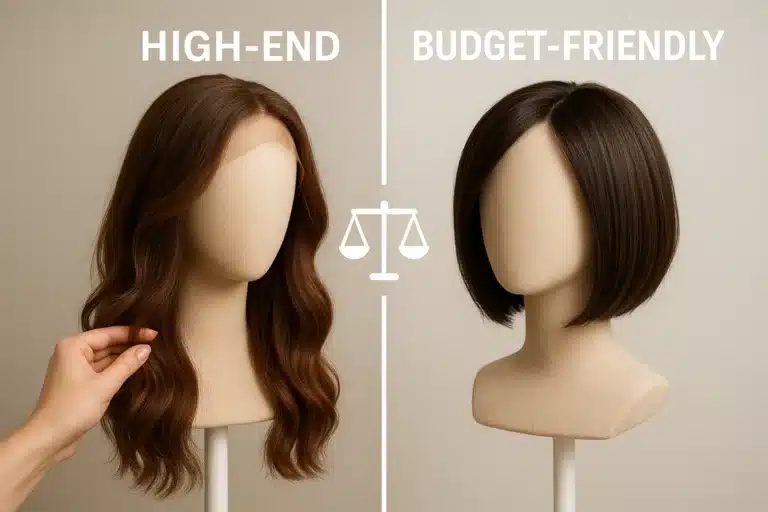
When facing medical hair loss—whether from chemotherapy, alopecia areata, or an autoimmune condition—you prepare yourself for a wave of emotional adjustments. But what catches many off guard is the intense physical discomfort that often follows. Suddenly, the scalp becomes incredibly tender, and finding an alternative hairpiece transforms from a simple cosmetic choice into a vital medical necessity.
Navigating the world of cranial prostheses requires an understanding of materials, cap construction, and local resources. Whether you are beginning medical treatments or managing long-term hair loss, consulting a trusted guide to finding the perfect fit in premier wig stores becomes an essential step in your healing journey. For buyers in Central Indiana navigating tender skin, finding the right hypoallergenic wig isn’t just about looking like yourself again; it’s about feeling comfortable in your own skin.
The Sensitive Scalp Dilemma: Beyond Surface Discomfort
To understand why your scalp feels so tender, it helps to look at the biology of hair loss. Your biological hair acts as a natural buffer, shielding the delicate skin of your scalp from environmental elements, friction, and pressure. When that bio hair falls out rapidly due to medical treatments or autoimmune responses, the scalp’s natural protective barrier is stripped away, leaving nerve endings raw and exposed.
This heightened sensitivity means that placing a standard retail wig on a compromised scalp can feel like rubbing sandpaper against a sunburn. What many assume is simply “dry skin” or an inevitable annoyance of wearing wigs is often a preventable reaction.
Diagnosing the “Wig Itch”: What’s Really Happening?
If your wig is making your scalp itch, burn, or break out, it’s crucial to diagnose the root cause. Not all wig irritation is created equal. The clinical world categorizes these reactions into three distinct “aha moments” that can completely change how you shop for alternative hair:
1. Mechanical Micro-Trauma: Standard wigs are made with machine-wefted tracks—thick horizontal rows of fabric sewn by a machine. On a bare, sensitive scalp, the constant rubbing of these rough edges causes mechanical friction, leading to pinpoint redness and irritation.
2. Thermal Milaria (Heat Rash): Some dense synthetic caps and heavy polyurethane bases trap sweat and body heat against the skin. Without proper ventilation, this creates a microclimate that breeds heat rash and bacterial irritation.
3. Allergic Contact Dermatitis (ACD): This is the hidden culprit. Many people are completely unaware that factory-made synthetic fibers are treated with alkaline base coatings, flame retardants, and chemical dyes. Furthermore, standard wig grips often use latex or acrylic adhesives. Just as hairspray allergy sufferers must carefully read product labels, or those searching for gentle hair color for sensitive scalp to use on their remaining bio hair must proceed with caution, wig wearers must be vigilant about chemical exposures against their scalp.
The Hypoallergenic Cap Blueprint: Engineering Maximum Comfort
The good news? Textile science and medical wig engineering have evolved dramatically. A landmark clinical study found that patients utilizing specialized hypoallergenic caps experienced a drop in redness and irritation from a staggering 86.7% down to just 44.8%.
Achieving that level of comfort comes down to two factors: how the cap is built, and what it’s made of.
The Cap Anatomy Spectrum
Not all wig caps are created for medical needs. Understanding this spectrum is the secret to avoiding mechanical micro-trauma:
- Standard Machine-Wefted Cap: Economical and breathable, but relies on rough machine tracks. Best for those with full bio-hair to act as a buffer; not recommended for sensitive bald scalps.
- Monofilament Part/Crown: Features a soft, translucent mesh at the part line, creating a natural look and softening contact at the top, though the back still utilizes machine wefts.
- Double Monofilament: A game-changer for sensitive skin. A second layer of silky, ultra-fine mesh is placed directly over the hand-tied knots, preventing raw hair follicles or stiff nylon thread from scraping against your scalp.
- 100% Hand-Tied Cranial Prosthesis: The gold standard. There are zero wefts and zero machine tracks. Every single strand of hair is hand-knotted into a supple, four-way stretch medical membrane that mirrors the natural contour of your skull.
Biocompatible Barrier Textiles
If you are a custom wig maker researching the safest types of wig caps for making wigs from scratch, or if you are specifically looking for breathable wig caps for making half wigs to blend with your bio hair, the materials you choose are vital. Look for these naturally hypoallergenic textiles:
- Mulberry Silk: Boasts the lowest friction coefficient of any natural fabric. It’s naturally non-absorbent, meaning it won’t strip essential moisture and dermal lipids from a dry, inflamed scalp.
- Bamboo Viscose/Rayon: Highly moisture-wicking, thermo-regulating, and exceptionally soft against irritated nerve endings. It naturally resists bacteria, making it ideal for wig liners.
- Medical-Grade Silicone: For those who cannot use traditional adhesives, medical-grade silicone strips offer a non-porous, hypoallergenic grip. They utilize gentle vacuum-surface tension rather than sticky glues, making them a godsend for reactive skin.
Verified Indianapolis Medical Wig Boutiques
Finding a compassionate, verified professional who understands these clinical nuances is vital. Fortunately, Indianapolis boasts several premier boutiques equipped to handle the specialized needs of immunocompromised wearers. When looking for the best wig shop to guide you through this process, consider these local experts:
- Shar’s Hair Wig Boutique & Medical Supplies (Northside / Naab Rd): Known for their expertise in medical hair loss, Shar’s offers private fitting suites and is a partner with the IU Health Simon Cancer Center. They specialize in guiding patients through the cranial prosthesis process.
- Becoming Her Medical Wigs & Cranial Prosthesis (96th St Corridor): A highly specialized boutique focusing heavily on the medical side of hair replacement, ensuring that the caps and fibers you choose are biologically compatible with sensitive skin.
- Taylor’d Made Wigs & Toppers (Castleton / 82nd St): Offers a compassionate, private environment with deep expertise in custom fittings, toppers, and hypoallergenic cap customizations.
- IU Health Simon Cancer Center CompleteLife Program & The Wig Bank: An incredible local hospital resource offering support, navigation, and access to alternative hair solutions directly integrated with oncology care.
(Note: While searching for generic terms like “hair extension wigs indianapolis in” online might yield standard beauty supplies, prioritizing dedicated medical wig boutiques ensures you receive the specialized care your scalp needs.)
The Indiana Buyer’s Action Plan: Tips for Your Appointment
1. Navigating Insurance
Don’t write off a medical wig as an out-of-pocket cosmetic expense. Many insurance companies cover “Cranial Prostheses” when prescribed by a doctor. Ask your oncologist or dermatologist for a prescription specifically using the medical billing code HCPCS A9282. When you visit an Indy boutique, ask if they provide an itemized NPI-coded receipt so you can file an out-of-network claim with providers like Anthem BCBS Indiana or IU Health Plans.
2. The Synthetic De-Coating Protocol
If you purchase a synthetic wig, it may still carry alkaline manufacturing residues. Before your first wear, gently soak the wig in a basin of cool water mixed with a tablespoon of organic apple cider vinegar or baking soda for 15 minutes. This naturally strips away chemical coatings that cause allergic contact dermatitis, leaving the fibers soft and skin-safe.
Frequently Asked Questions (FAQ)
What is the difference between a costume wig and a medical cranial prosthesis?
A fashion or costume wig is mass-produced using heavy machine wefts and standard fabrics meant to sit on top of natural hair. A medical cranial prosthesis is an FDA-recognized medical device engineered specifically for bare scalps, utilizing hand-tied construction and hypoallergenic materials like double monofilament and silicone.
Can you be allergic to synthetic wig hair?
Yes. True allergies to the synthetic polymers (like kanekalon) are rare, but allergic reactions to the alkaline factory coatings, flame retardants, and chemical dyes used on the fibers are very common. Washing the wig properly before wear can mitigate this.
How soon before chemotherapy should I buy a wig in Indianapolis?
Clinical experts recommend shopping for your wig 14 to 21 days prior to your first systemic chemotherapy infusion. This allows you to match your natural hair color and density while you have the physical energy to visit local boutiques and get properly fitted.
Taking the Next Step in Your Hair Journey
Hair loss is an incredibly personal experience, but you don’t have to navigate the physical and emotional discomfort alone. By understanding the science behind cap construction and prioritizing hypoallergenic materials, you can reclaim your comfort and your confidence.
At Wig Superstore, we believe that education is the ultimate tool for empowerment. With nearly two decades of experience helping individuals through their hair loss journeys, our mission is to ensure you feel beautiful, comfortable, and thoroughly supported. If you’re ready to explore alternative hair solutions, armed with the knowledge of what your sensitive scalp truly needs, take the time to research, ask questions, and prioritize your personal comfort above all else.