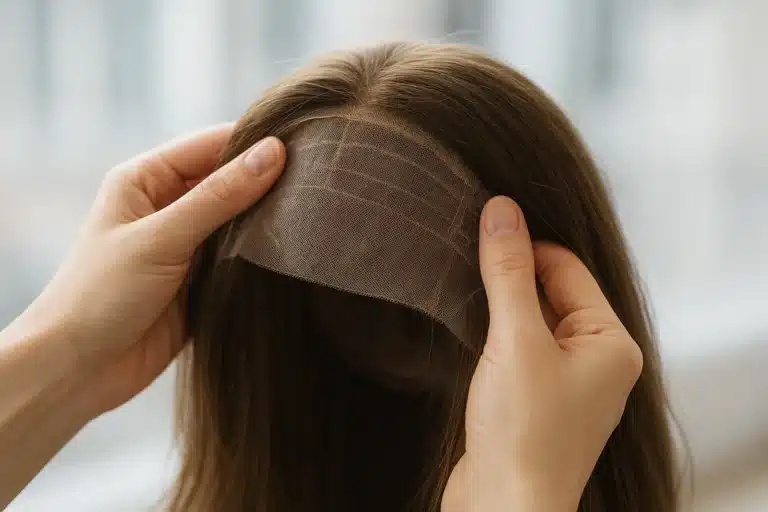
There is a uniquely frustrating moment that many wig and hairpiece wearers know all too well: the “helmet effect.” You try on a hairpiece in a brightly lit salon, and it looks flawless. Yet, the moment you step outside into the natural Michigan daylight, a harsh demarcation line appears, and your secret is exposed. Whether you are dealing with chemotherapy-induced hair loss, managing alopecia, or simply supplementing thinning hair with a top-of-head topper, the line between an obvious hairpiece and a transformative confidence-booster isn’t just about the cut—it’s about precision color matching.
Achieving an undetectable hair enhancement requires moving far beyond picking a static color number from an off-the-shelf catalog. It requires a dynamic, multi-tonal calibration. For those navigating the best wig stores in Detroit MI, the journey to a seamless blend means looking past generic shade charts. Metro Detroit is home to a rich ecosystem of bespoke wig salons and medical hair restoration centers—from Southfield and Farmington to Woodward Avenue—equipped to solve this exact challenge.
Let’s dive into the fascinating science of hair colorimetry, decode why certain hairpieces look artificial, and explore how Detroit’s master colorists can help you achieve an impeccably natural look.
The Science of Seamless Integration: Why Flat Colors Fail
If you’ve ever wondered why theatrical costume pieces—like a bright spiky Goku wig, a classic Harry Potter wig, or a retro Stevie Nicks wig—look unmistakably fake, the answer lies in the fibers. These units are usually extruded from mono-chromatic plastic modacrylic fibers. They possess only one flat tone.
Natural human hair, on the other hand, is a masterclass in dimensional color. Even if your hair appears to be one solid shade, a single square inch of biological hair typically contains a spectrum of three to six complementary micro-tones. To understand how custom wigs detroit boutiques replicate this, we have to look at the 1 to 10 Level System used by professional colorists.
The scale ranges from Level 1 (Jet Black) to Level 10 (Lightest Platinum Blonde). Natural hair carries underlying warm pigments like red, orange, and yellow. To picture this transition, consider a famous piece of Detroit pop culture: Eminem’s natural hair color is actually a cool-toned, Level 3/4 ash brown. Bleaching his hair to his signature “Slim Shady” Level 10 blonde required stripping away deep red and orange pigments, leaving the hair vulnerable to brassiness. This is the exact same chemical challenge custom wig colorists face when attempting to lighten or alter human hair wig caps.
Conversely, look at Elvis Presley. Elvis’s natural hair color was a sandy, dirty blonde. He famously dyed it a solid, single-process Level 1 jet black. While iconic, that single-process black created an unnatural, reflective sheen. If a wig has that same single flat tone, it creates a harsh contrast against the skin. Elite wig artisans break up this starkness by painting in Level 2 or 3 lowlights to prevent the piece from looking like a heavy helmet.
The Three Golden Rules of Blending Wigs and Toppers
When evaluating hair enhancements, local directory listings and national e-commerce guides often offer superficial advice like “match your undertone.” But achieving true undetectability requires a much deeper understanding of optical physics and hair anatomy.
1. The Visible Zone Rule (The Root-to-End Fallacy)
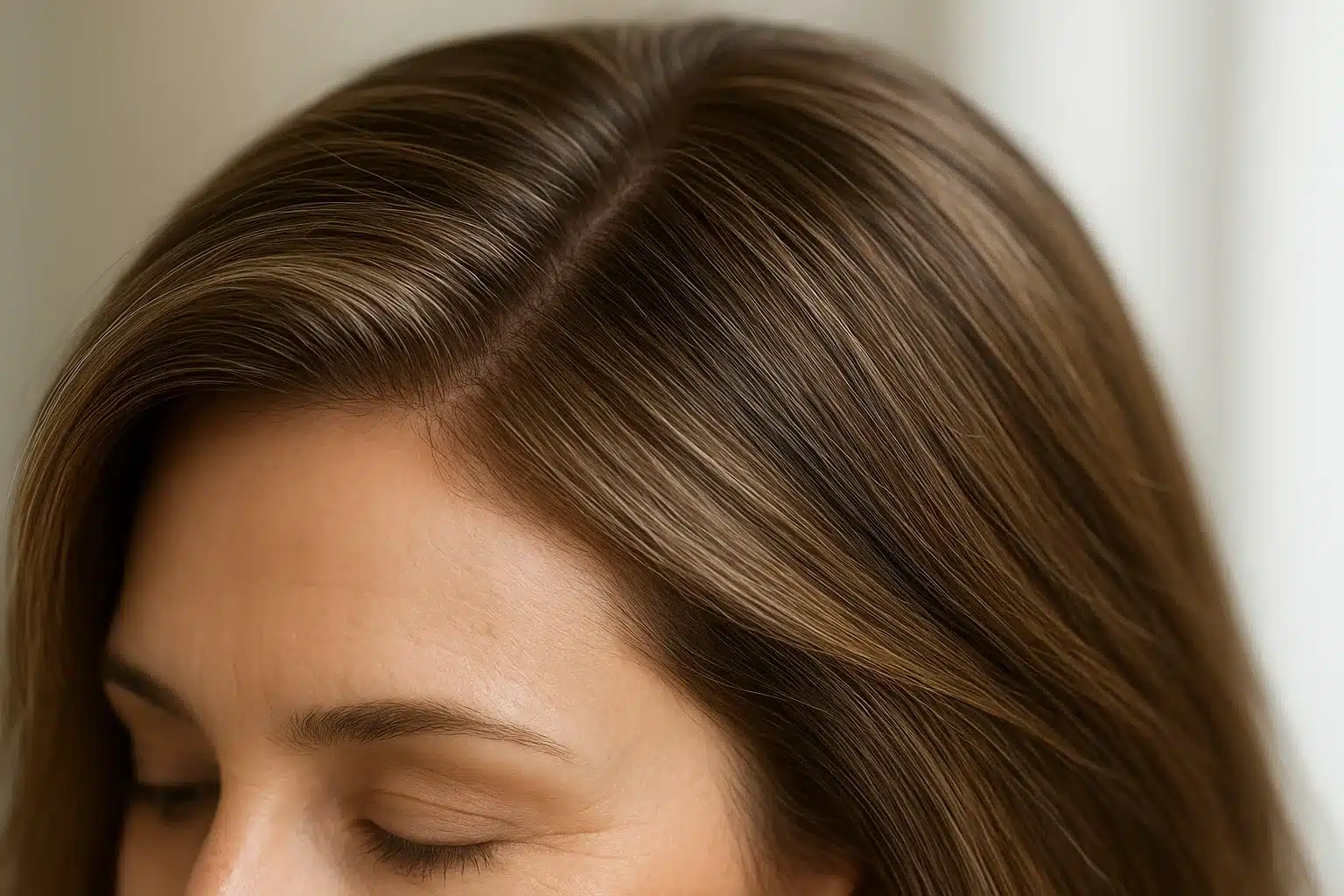
A common mistake beginners make is matching a hair topper or wig to their root regrowth. Because roots are often darker or graying, matching a piece to this zone guarantees a mismatch with the rest of your hair. Instead, hairpieces must be matched precisely to the mid-shaft to ends of your natural leave-out hair.
2. The Optical Density Illusion
Have you ever ordered a piece that perfectly matched your color swatch on paper, only to put it on and realize it looks two shades darker? This is the Optical Density Illusion. If a wig’s hair density exceeds 130%, the sheer volume of the fibers traps light within the cap, preventing light from passing through. Detroit wig colorists know how to compensate for this by balancing the cap density or lifting the base color slightly to account for the trapped shadows.
3. The Metameric Failure Index (The Natural Daylight Rule)
Metamerism is the phenomenon where two colors appear to match under one light source but look completely different under another. Synthetic hair fibers and processed human hair reflect light very differently. Under warm fluorescent salon bulbs (around 3000K), a synthetic blend might look like a perfect match to your biological hair. But under cool, overcast Michigan daylight (6500K), it might pull aggressively ashy or orange. Always ask to step outside with a hand mirror to perform a daylight check before finalizing a purchase.
Navigating Genetic Tones, Textures, and Complex Profiles
Great color matching also requires an understanding of genetic diversity and how different textures reflect light.
For instance, a natural blonde Asian hair profile is incredibly rare, occurring with unique warm golden or pale beige undertones rather than the Nordic ash tones found in standard blonde wigs. Matching this requires a custom dye bath to calibrate the warmth without making the piece look brassy.
Similarly, internet controversies around influencers—like the frequent debates regarding a “plaqueboymax wig”—often stem from a failure to blend the piece at the perimeter. When a lace front’s tint clashes with the skin’s true undertone, or when the baby hairs are too stark and dense, the illusion is broken. Proper customization involves lace tinting, root shadowing, and edge feathering so that the transition from skin to lace front wigs is totally invisible.
This level of precision is just as critical for men’s hair replacement. Modern hair units for men detroit specialists focus intensely on gray blending and lowlight dispersion so that the transition from a man’s natural temple hair into the top unit is completely undetectable.
The Metro Detroit Custom Wig Service Matrix
Detroit is home to several incredible ateliérs and medical hair restoration centers that provide clinical-grade solutions and bespoke coloring. When seeking local expertise, here are a few regional touchpoints known for specialized customization:
- Shear Pointe Hair Restoration (Detroit Metro / Birmingham area): Known for clinical-grade medical hair replacement, detailed scalp mapping, and bespoke hand-tied color matching.
- Salon de Weave (Southfield, MI): A hub for master human hair customization, custom coloring baths, and seamless leave-out blending.
- Rebecca’s Wigs & Hairpieces (Farmington, MI): Offers comprehensive multi-brand color ring matching, private fitting suites, and specialized fiber texture coordination.
- Mariah Lynn Hair & Alter/Blend Studios (Southfield/Detroit): Specialists in wig customization, intricate root drop shading, and frontal melting to ensure flawless hairlines.
The Detroit Shopper’s Pre-Consultation Checklist
Before sitting down with a stylist, arm yourself with these practical questions to ensure you get the perfect match:
- “Do you formulate demi-permanent toners for factory-processed human hair wigs?” (Standard box dye will destroy delicate wig caps).
- “Can we step outside to inspect this piece in natural daylight?”
- “Do you offer root shadowing to help blend my biological leave-out hair with this topper?”
Frequently Asked Questions
Why does my wig look fake in daylight?
This is due to Metamerism. Synthetic fibers and chemically processed human hair refract light differently than natural bio-hair. A piece matched strictly under indoor salon lighting will often expose contrasting undertones in natural UV daylight. Always verify your color match outside.
Can you dye an off-the-shelf wig to match your bio hair?
It depends on the fiber. You cannot use traditional oxidative box dyes on synthetic fibers; doing so will melt or ruin the acrylic. Even with human hair wigs, the hair has usually been heavily factory-processed. A professional colorist must use specialized demi-permanent toners or custom watercolor baths to safely alter the shade without damaging the delicate lace or mono-top base. Proper wig maintenance is crucial after any chemical alteration.
What is the difference between human hair color levels and synthetic wig numbers?
Professional human hair color operates on a Level 1 (black) to 10 (light blonde) scale, measuring how light or dark the hair is. Synthetic wig brands use proprietary alpha-numeric codes (like 1B, 4/27, or FS26/31). These numbers represent specific blended swatches rather than natural base levels. A great wig retailer bridges this gap, translating standard color theory into the correct synthetic or blended human hair code for your specific needs.
How do I blend leave-out hair around the perimeter of a U-part or hair topper?
The secret to blending leave-out hair is avoiding stark contrast at the root. If your bio hair is a Level 4 brown but your topper highlights go all the way to the root, the piece will look like it’s floating. A stylist will perform a “root shadow” or “root smudge” on the wig, painting the base of the hairpiece to seamlessly melt into your natural root color, allowing the mid-lengths and ends to carry the dimension.
***
Your journey to finding the perfect, seamlessly blended hairpiece doesn’t have to be a source of stress. By understanding the fundamentals of hair colorimetry, the importance of lighting, and the value of dimensional blending, you are already equipped to make empowered decisions. Education is your best tool—take your time, ask the right questions, and lean on the expertise of compassionate local professionals who understand exactly how to bring your confidence back to life.