Los Angeles is often celebrated as the epicenter of hair transformation, a city where style is constantly being reinvented on the streets of West Hollywood and the studios of Burbank. However, for women with textured hair, navigating this landscape can feel less like a shopping trip and more like a treasure hunt. Finding a unit that authentically mimics the beautiful complexity of 3C coils or 4C kinks requires more than just browsing; it requires a deep understanding of texture, density, and construction.
While the city offers a vast array of options, the key to satisfaction lies in knowing exactly what you are looking for before you step through the door. For those seeking bespoke results, choosing custom human hair wigs in Los Angeles allows for a perfect texture match that standard retail units often miss. Whether you are exploring the local physical shops or browsing high-end collections online, understanding the science of textured hair is your most valuable asset.
The Los Angeles Texture Landscape
The market for afro-textured wigs in Los Angeles is highly competitive, which is excellent news for the consumer. Unlike general retailers that might offer “curly” as a catch-all category, LA-based specialists often break down inventory into granular textures that reflect real hair biology.
However, this abundance creates a “transactional gap.” Many shoppers visit stores like Wilshire Wigs or seek out specialists like The Wig Fairy, but they often leave overwhelmed because they haven’t bridged the gap between “where to buy” and “how to choose.” The goal is to move beyond simply finding a shop list and toward understanding the architecture of a wig that looks and moves like natural hair.
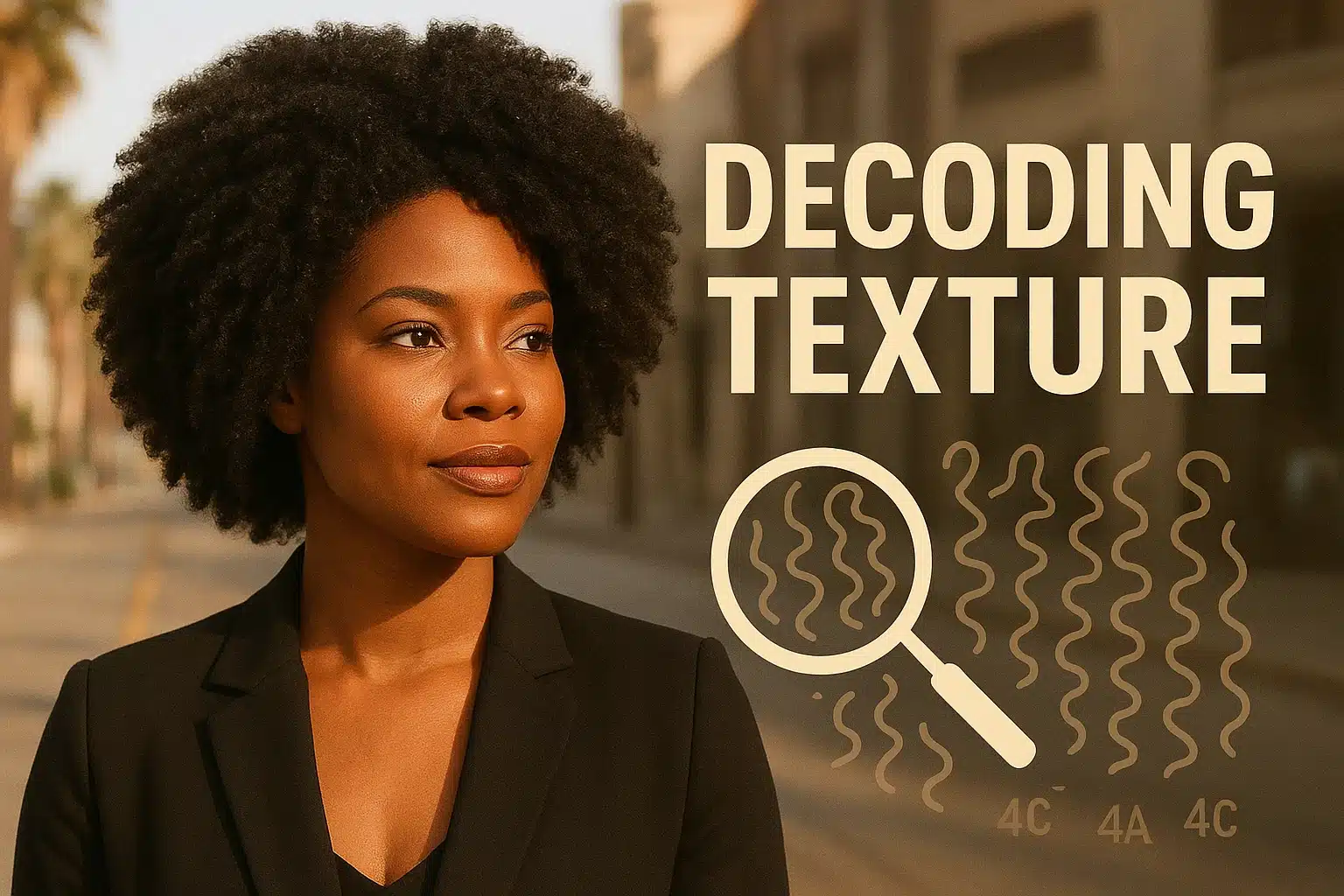
Decoding Texture: The “Length Paradox” and Curl Patterns
One of the most common frustrations for beginners purchasing textured wigs is the “Length Paradox.” If you are used to buying straight hair, 16 inches looks like 16 inches. However, with afro-textured units, physics takes over.
Understanding Shrinkage
In the world of textured wigs, shrinkage is a sign of quality, not a defect. A high-quality 4C unit with a true coil pattern will appear significantly shorter than its listed length.
- The Reality: A 16-inch afro-textured wig may visually sit at collarbone length (approx. 10-12 inches) due to the coil spring.
- The Buyer’s Tip: When shopping, always look for the “stretched length” specification. If you want a shoulder-length afro style, you likely need to purchase a unit listed at 18 to 20 inches.
The Texture Spectrum
While many brands use their own naming conventions, the industry standard relies on the alphanumeric scale.
- 3C: Defined corkscrews the size of a pencil. These units usually have high volume and significant movement.
- 4A: S-pattern coils the size of a crochet needle. This is often the “sweet spot” for realistic density without overwhelming volume.
- 4B/4C: Zig-zag patterns and tight kinks. These are the most difficult to manufacture authentically but offer the most seamless blend for those with natural 4C edges.
The Architecture of Realism
Finding the right texture is only half the battle. The true test of a wig’s realism, especially for textured styles, is how it interacts with your hairline and your head shape.
The “Melted” Hairline and Kinky Edges
Standard lace fronts often feature a straight, uniform hairline that looks unnatural against a textured backdrop. The innovation driving the LA market right now is the “kinky edge” or “melted” hairline. These units have a lower density at the forehead and use a slightly coarser texture for the baby hairs, mimicking the natural breakage and regrowth found at the temples.
The 4-Finger Rule
A critical “aha moment” for many wearers is the placement of the wig. A common mistake is pulling the wig too far down, shrinking the forehead and creating a “wiggy” appearance.
- The Technique: Place your four fingers horizontally above your eyebrows. The hairline of your wig should sit right at the top of your index finger. This positioning aligns with natural hairline averages and ensures the unit sits on the flat part of your skull, preventing sliding.
Mastering Maintenance: The “Anti-CGM” Approach
There is a prevailing myth that you should treat your human hair wig exactly like the hair growing out of your scalp. While the fiber is the same, the ecosystem is not. This is particularly important for textured wigs.
Why the Curly Girl Method (CGM) Fails Wigs
The “Curly Girl Method”—a popular routine involving co-washing and avoiding sulfates—relies on the scalp’s natural sebum (oils) to travel down the hair shaft.
- The Disconnect: A wig has no scalp and no sebum supply.
- The Consequence: Relying solely on co-washing can lead to product buildup and dry, brittle fibers because there is no natural oil to seal in the moisture.
The Refresh Routine
Instead of heavy oils which weigh down the lace and damage the knots, textured wigs thrive on light, water-based hydration.
- Mist: Use a water and conditioner mix to reactivate the curl memory.
- Detangle: Always detangle from ends to root using a wide-tooth comb or fingers only when wet.
- Seal: Use a lightweight serum specifically formulated for wigs, applying it to the ends to prevent friction frizz.
Foundations: What Lies Beneath
The longevity of your wig and the health of your scalp are determined by what happens underneath the cap. This is often where the “density vs. scalp health” connection is missed.
High-density afro wigs are heavy. If your natural hair is not braided down correctly, the weight of the wig can cause traction alopecia (hair loss from pulling) along your hairline.
- Closure Wigs: Require a circular braid pattern to allow the closure to sit flat.
- Frontal Wigs: Require straight-back cornrows (small and flat) to ensure the lace lies undetectable against the skin.
Frequently Asked Questions
What is the difference between 10A and 12A hair?
This is a common marketing myth. There is no universal regulatory body for hair grading (like there is for diamonds). “10A” or “12A” are terms manufacturers use to grade their own supply. A “10A” from one brand might be lower quality than an “8A” from another. Always look for reviews on longevity and shedding rather than relying on the number grade.
Can I dye a synthetic afro wig?
Generally, no. Synthetic fibers are plastic and do not have a cuticle to absorb color. While some advanced heat-friendly fibers exist, trying to dye a synthetic textured wig usually results in destroying the curl pattern. If custom color is a priority, human hair is the necessary investment.
Which LA shops allow try-ons?
Policies vary significantly. Shops like The Wig Fairy in Beverly Hills are known for their high-touch consultation service, often requiring appointments. Wilshire Wigs in North Hollywood offers a vast warehouse experience where browsing is encouraged. Magic Hair Co in Culver City specializes in textures and often allows for a closer look at custom units. Always call ahead to confirm their current hygiene protocols regarding try-ons.
How do I stop my wig from looking “boxy”?
The “boxy” or “cone-head” look usually comes from improper braiding underneath. If your braids are too bulky, the wig sits high on the head. Ensure your foundation braids are as flat and small as possible, or use a wig cap to compress the hair.
Your Journey Begins Here
Finding the perfect textured wig is a journey of education as much as it is a shopping trip. By understanding the physics of shrinkage, the necessity of specialized care, and the importance of a proper foundation, you are no longer just buying a hairpiece—you are investing in confidence. Whether you explore the vibrant streets of Los Angeles or curate your look from the comfort of home, you now have the knowledge to choose a unit that truly feels like you.