Atlanta is frequently hailed as the global epicenter of Black haircare, a bustling hub where trends are born and style is celebrated. Yet, for many navigating the city’s vast beauty landscape, a significant “Knowledge Gap” remains. Walking into a standard beauty supply store often results in a sea of silky straight options or loose waves, leaving those seeking authentic, high-fidelity texture matches feeling overlooked. If you are searching for specific coily, kinky, or unique curl patterns, the challenge isn’t just locating a shop; it is about Finding Your Perfect Match: A Guide to the Best Wig Stores in Atlanta that possesses the technical expertise to understand the nuance of your natural hair.
This guide moves beyond a simple directory. Instead, think of this as your “Texture Concierge”—an educational roadmap designed to elevate your “Texture Literacy.” Whether you are looking to blend a unit with your natural leave-out or seeking a protective style that perfectly mimics a 4C coil, understanding the science behind the strands is the first step to confidence.
The Science of Texture: Decoding Your Curl Pattern
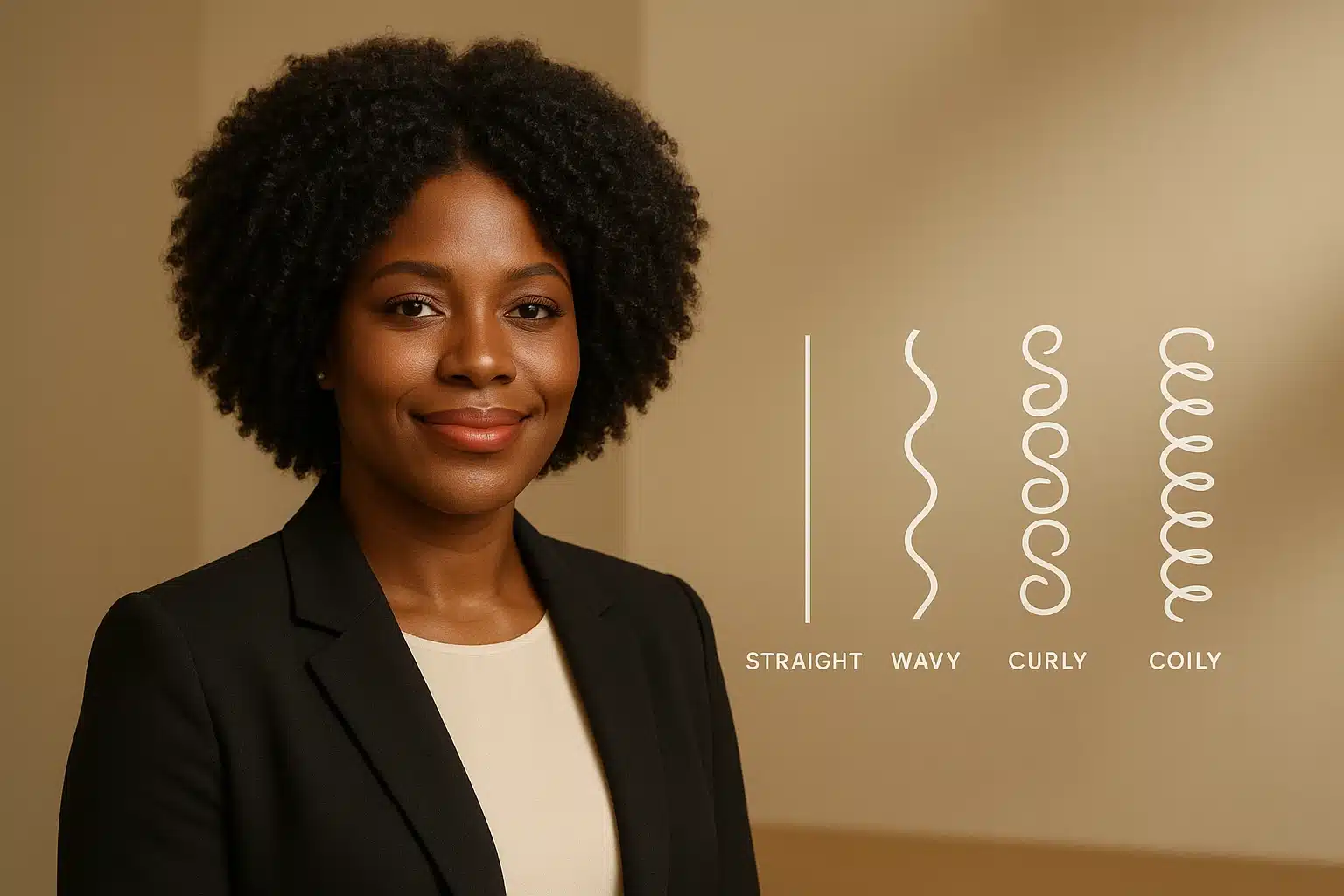
Before you can select the right store or the right wig, you must be able to articulate exactly what you need. Many shoppers fall into the trap of using generic terms like “curly,” which can range from a loose beach wave to a tight afro coil. To communicate effectively with wig specialists, it helps to use visual benchmarks.
The Diameter Analogy
One of the most effective ways to identify your desired texture is the “Diameter Analogy.”
- 3A/3B Patterns: Think of these curls as wrapping around a sidewalk chalk or a large marker. They are loopy and defined.
- 3C Patterns: These are your “Pencil” curls—tight corkscrews that have a distinct spring.
- 4A/4B Patterns: Visualize a “Straw” or a knitting needle. These coils are dense and often form an “S” or “Z” pattern.
- 4C Patterns: This is the tightest texture, often compared to the spring inside a ballpoint pen. It requires specific engineering in wig construction to look realistic.
The Shrinkage Paradox
A common frustration for first-time buyers of textured wigs is the “Shrinkage Paradox.” You might order a 14-inch kinky curly unit, but when it arrives, it looks like it is only 6 inches long. This isn’t a manufacturing error; it is a sign of high-quality texture replication.
Authentic afro-textured hair has a “shrinkage factor” of up to 90%. When shopping, you must do the “Shrinkage Math”: if you want your style to sit at shoulder length (visually 12 inches), you may need to purchase a unit that is stretched to 16 or 18 inches. Understanding this ensures you don’t face disappointment when unboxing your new look.
Navigating Atlanta’s Humidity: The Texture Test
Atlanta’s climate adds another layer of complexity to wig selection. High humidity can wreak havoc on synthetic blends that aren’t designed for moisture resistance. This is where the distinction between “yaki” textures and “kinky” textures becomes vital.
Yaki vs. Kinky
- Yaki: Mimics relaxed or blow-dried African American hair. It has micro-crimps that add texture but generally falls straight.
- Kinky: Mimics the hair in its natural state.
For those enduring the Georgia heat, kinky wigs often hold up better than silky textures because the volume is intentional. Frizz, which is the enemy of a silky straight look, actually enhances the realism of a kinky-curly unit, making it a “humidity-proof” investment for the summer months.
Inclusive Solutions: Beyond the Standard
True expertise in the wig industry is defined by inclusivity. While many stores cater to the average female shopper, there is a growing need for specialized knowledge regarding male hair replacement and unique medical needs.
The Art of the Natural Hairline
For men seeking hair systems, or women dealing with traction alopecia, the hairline is the “make or break” detail. Standard wigs often have dense, abrupt hairlines that look artificial.
The gold standard for a realistic look involves a “melt” technique where the lace disappears against the skin, and the hair density graduates from fine to thick. This is particularly crucial for natural hairlines lace front wigs, where the goal is often to expose the forehead. When vetting a store or online retailer, look for their knowledge of “ventilation”—the technique used to knot the hair into the lace. Single-knot ventilation at the hairline mimics the way hair grows naturally from the scalp, offering the most undetectable finish.
Maintenance Synergy: The “CGM” for Wigs
Once you have identified your texture and found your match, longevity becomes the priority. Many wearers damage their textured wigs by treating them like straight hair. To maintain the integrity of a 3C or 4C unit, you should apply a modified version of the “Curly Girl Method” (CGM):
- Finger Detangling: Never take a fine-tooth comb to a dry kinky unit. It disrupts the curl pattern and causes unnecessary shedding. Use your fingers or a wide-tooth comb only when the hair is wet and coated with conditioner.
- Product Selection: Avoid products with sulfates and heavy alcohols. Just like natural hair, textured human hair wigs need moisture.
- The “Touch Test”: When you receive a wig, run the “Touch Test.” High-quality textured hair should feel soft but have a palpable resistance—it shouldn’t feel like plastic doll hair.
Frequently Asked Questions
What is the difference between “Virgin” and “Raw” hair for textured wigs?
“Virgin” hair has been chemically processed (steamed) to achieve a specific curl pattern (like a perfect 3C corkscrew), while “Raw” hair is completely unprocessed and comes from a single donor. Raw hair behaves most like natural hair but requires more maintenance, while Virgin hair offers consistent patterns that are easier to style.
How do I stop my kinky curly wig from tangling at the nape?
Tangling at the nape is caused by friction and sweat. To prevent this, spray a light mixture of water and leave-in conditioner at the nape area daily. Additionally, if the wig is removable, store it on a mannequin head at night rather than sleeping in it, which significantly reduces friction.
Can I dye a synthetic textured wig?
Generally, no. Standard synthetic fibers cannot be dyed with traditional hair color as they do not have a cuticle to absorb the pigment. However, heat-friendly synthetic fibers are becoming more advanced. If you are looking for color, it is best to purchase a unit that is already pre-colored or invest in a human hair wig that can be professionally customized.
Does the “4-Finger Rule” apply to all afro wigs?
The “4-Finger Rule” suggests that for high-volume afro wigs, you should be able to insert four fingers into the crown area to fluff it for volume. This works exceptionally well for 4B and 4C textures where volume is the goal. For looser 3A curls, you may want to avoid over-fluffing to keep the curl definition intact.
Where can I find help if I’m new to wigs?
If you are feeling overwhelmed, look for resources that prioritize education over sales. Compassionate customer care teams with industry expertise can walk you through the differences in lace types, cap construction, and fiber maintenance, ensuring you feel beautiful and confident in your choice.