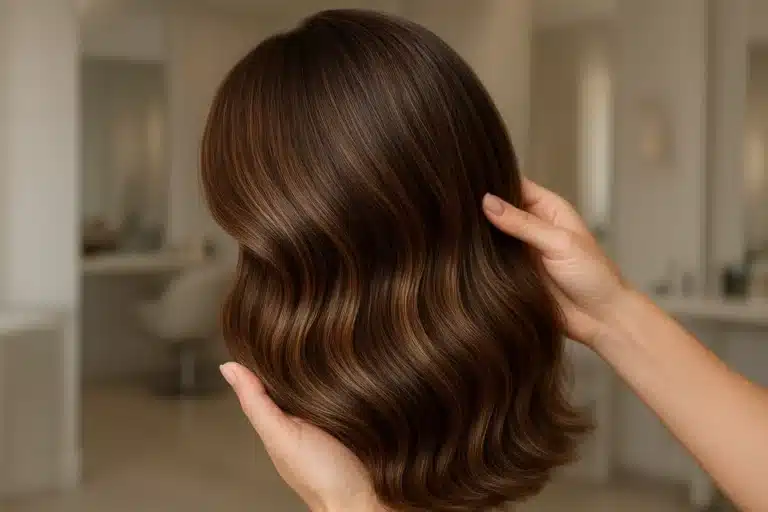
Stepping into the world of wigs for the first time is rarely just a simple shopping trip. Whether you are navigating the emotional waters of medical hair loss, experiencing natural thinning, or simply seeking the convenience of a creative reinvention, the journey can feel incredibly overwhelming. There is an entirely new vocabulary to learn, a fear of looking “fake” or “wiggy,” and a very real phenomenon known as “wig shock”—that initial jolt of sensory disorientation when you first look in the mirror and see a different silhouette looking back at you.
Please know that this reaction is completely normal. Finding your perfect fit requires patience, empathy, and the right environment. Whether you are dealing with oncology treatments or just exploring a fresh look, local support is invaluable. If you’re wondering exactly where to begin your search, checking out the ultimate guide to the best wig shops in Charlotte NC is a wonderful first step toward finding private, compassionate boutiques that will help you transition with confidence.
In this guide, we are going to gently demystify the process. We will break down the terminology, share professional fitting secrets, and explore the Charlotte boutiques specifically designed to hold your hand through this deeply personal transition.
The Anatomy of a Natural-Looking Wig
Before you step foot in a boutique, it helps to understand a few core concepts. National e-commerce sites often bombard first-timers with endless catalogs and confusing specifications. Let’s simplify things.
Demystifying Wig Cap Construction
The foundation of any good wig is the cap—the material that actually touches your scalp. Understanding wig cap construction is the secret to finding all-day comfort.
- Traditional Wefted Caps: These are breathable and affordable, featuring rows of hair sewn onto lightweight ribbons. They often feature built-in volume (called “permatease”) at the crown to hide the cap underneath.
- Lace Front Wigs: This features a sheer, virtually invisible mesh at the front hairline. It creates the illusion that hair is growing straight out of your scalp, allowing you to style the hair away from your face naturally.
- Monofilament (Mono Top/Part): In a monofilament cap, individual hairs are hand-tied into a soft mesh base. This mimics the look of a natural scalp and allows you to part the hair in multiple directions.
- 100% Hand-Tied: The absolute gold standard for sensitive or entirely hair-free scalps. Every single hair is tied by hand onto a soft stretch material, offering unparalleled 360-degree movement and eliminating any scratchy seams.
Finding the Right Fiber
You will generally choose between human hair and synthetic wigs. For a beginner, high-quality synthetic fiber is often recommended because it features “style memory.” If you buy a synthetic bob, it stays a bob—even after washing. Human hair, while exquisitely natural and long-lasting, requires professional blowout maintenance, expensive styling tools, and a larger budget.
The Density Reality Check
One of the biggest mistakes beginners make is buying a wig with too much hair. You might think “thicker is better,” but a high-density wig (150% to 180%) often looks like a heavy, unnatural helmet. The best wigs for beginners fall into a light-to-medium density (100% to 130%), which beautifully mimics the biological reality of natural scalp growth.
When it comes to cuts, easy wig styles for beginners include chin-length bobs, soft lobs (long bobs), and textured shoulder-length cuts. Synthetic hair longer than 14 inches can rub against your collar, causing friction and premature tangling at the nape of the neck. Furthermore, if you’re typing “my first wig best curly wigs” into a search bar, look for loose, forgiving beach waves rather than tight ringlets, as they are much easier to detangle and maintain.
At-Home Preparation: Secrets for a Flawless Fit
The Four-Finger Rule
Many beginners pull their wigs too far down on their foreheads, trying to cover their natural hairline. This results in an unnatural “forehead squeeze.” Instead, use the Four-Finger Rule: place four of your fingers flat horizontally across your forehead, with your pinky resting just above your eyebrow arch. Where your index finger lands is generally exactly where your wig’s front edge should begin.
Securing Without Glue
If you are worried about your wig slipping in public, you don’t need to resort to messy adhesives, sticky tapes, or headache-inducing clips. The greatest invention for first-timers is the velvet wig grip for wigs. This is a soft, frictionless band you wear under your wig. It grips the cap securely in place, eliminates pressure on sensitive scalps, and completely protects fragile biological edges from tension.
Charlotte’s Top Boutiques for First-Time Wearers
Shopping for wigs online can be a gamble—screens distort hair colors, and sizing charts can’t account for your unique head shape. Visiting a local boutique provides a tactile, no-pressure environment where you can try on pieces, experience custom steam-shaping, and receive guidance from licensed professionals.
When searching for your “my first wig,” quality wigs for beginners are easiest to find at specialized local salons that prioritize your comfort over a quick sale.
Roland’s Wig Salon (Greater Charlotte / Matthews)
A staple in the community, Roland’s is renowned for its compassionate, private, and no-obligation fittings. With decades of family-owned customer care under their belts, they specialize in walking patients through the emotional realities of hair loss, taking the time to ensure your piece feels like you.
OA Salons (Charlotte)
If you are dealing with medical hair loss (chemotherapy or alopecia), OA Salons offers clinical excellence. They specialize in medical-grade custom fittings and provide invaluable guidance on navigating insurance reimbursement for what the medical industry calls a “Cranial Prosthesis.”
Raintree Wig Designs (South Charlotte)
Raintree offers a beautifully curated selection of the best wig brands for beginners (like Jon Renau, Raquel Welch, and Gabor). Their personalized trimming and custom tailoring services ensure that your new hair suits your exact face shape and proportions.
J Wig Shop & Unique Boutique
An incredibly friendly and accessible neighborhood environment. They offer a diverse range of textures, easy-wear synthetic options, turbans, and wraps, providing immediate solutions for those who want an effortless daily look.
Transitioning to Joy: Social Events
Once you master the mechanics of your daily wear piece, the fear fades, and the fun begins. Many women find that what starts as a medical necessity evolves into a wonderful fashion tool. You might soon find yourself exploring playful colors or dramatic styles, picking out bold wigs for wig party events, theatrical evenings, or special social gatherings where you can express a completely different side of your personality.
The First Consultation Action Plan
Before you book your private consultation room in Charlotte, use this quick checklist:
- What to bring: Reference photos of yourself before hair loss (or of a style you admire), a trusted friend for moral support, and a clean scalp or smoothly flattened bio hair.
- What to ask: Don’t hesitate to ask your consultant: “Can this piece be thinned out to look more natural?” or “What specific synthetic-safe shampoo do I need for home care?”
- Medical Coverage: If you are undergoing medical treatments in the Atrium or Novant Health systems, ask your oncologist for a prescription explicitly written for a “Cranial Prosthesis” (not a wig). Many insurance plans offer partial or full reimbursement when this specific medical terminology is used on the receipt.
Frequently Asked Questions
Will my wig blow off in the wind?
This is a very common fear! No, it will not. When you wear a properly fitted cap (measuring your circumference correctly—the average is about 21.5 inches) and utilize a velvet wig grip, your piece will stay securely anchored through wind, hugs, and daily activities.
How often do I need to wash a synthetic wig?
Because synthetic wigs don’t absorb the natural oils from your scalp like biological hair does, they require far less washing. Generally, you only need to wash your wig every 6 to 8 wears using specially formulated synthetic wig shampoo.
Can I sleep in my wig?
While you technically can, it is highly discouraged. Sleeping in your wig causes immense friction against your pillowcase, which leads to permanent tangling, fiber fraying, and a significantly shortened lifespan for your piece. It’s best to take it off at night and place it on a wig stand to let the cap air out and maintain its shape.
Does a wig stop my natural hair from growing back?
Not at all. High-quality wigs, especially those with wefted or hand-tied breathable caps, allow ample air circulation to your scalp. Wearing a wig will not inhibit your natural hair follicles from resting, recovering, and eventually growing back.
***
Your first wig is not just an accessory; it is a bridge back to feeling like yourself. By understanding the terminology, avoiding common beginner mistakes, and utilizing the incredible, compassionate boutiques right here in Charlotte, you can transform an overwhelming chore into an empowering journey of self-care. Take a deep breath, give yourself grace, and take that first gentle step.