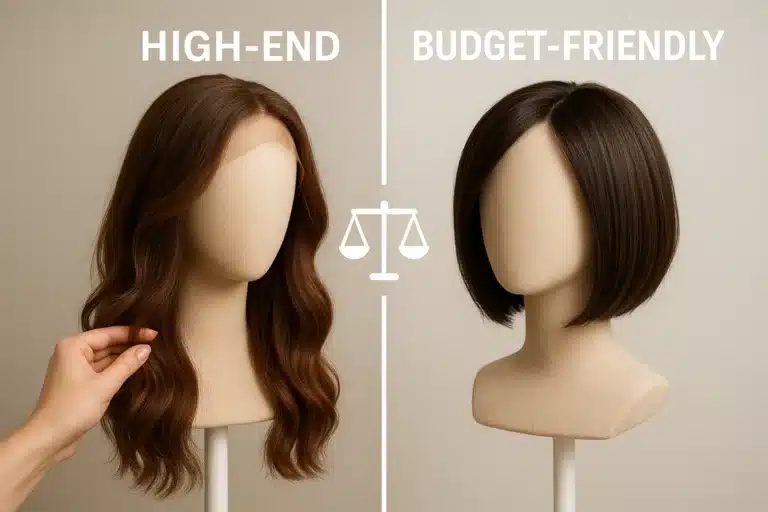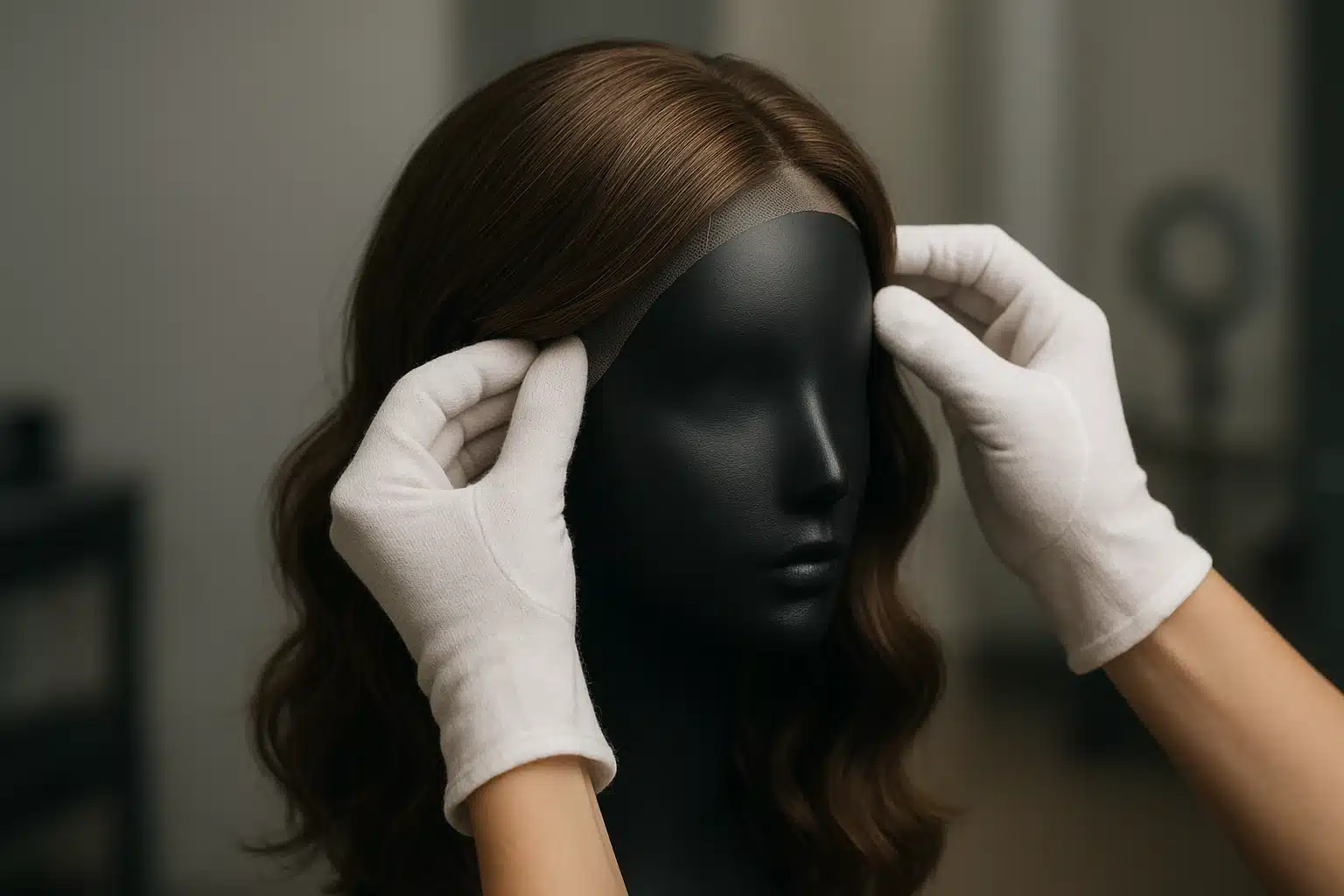
There is a distinct feeling of confidence that comes with walking out of a boutique wearing a perfectly styled, brand-new wig. Whether you’ve invested in a medical prosthesis or a stunning fashion piece, that initial purchase is an exciting step. But three weeks later, when the nape of the neck starts to frizz, or the lace front accidentally snags, many wearers experience what industry insiders call the “first-wash panic.”
When you initially research the best wig stores in Cincinnati, OH, your focus is entirely on finding the right color, cap construction, and fit. However, the real secret to a flawless, natural look isn’t just about where you buy your hair—it’s about how you maintain it. Many buyers mistakenly believe that once a wig begins to tangle, shed, or tear, it must be thrown away.
In reality, treating your wig like a luxury garment and partnering with local Cincinnati repair and styling experts can extend its life by years, transforming you from a transactional buyer into an educated collector.
The Reality of the “Second Purchase”: Rethinking Wig Value
Buying a premium wig is an investment, often ranging from several hundred to thousands of dollars. To truly understand the value of professional wig maintenance, we have to look at the Cost-Per-Wear (CPW) formula.
Imagine you purchase a beautiful $1,200 human hair wig. If it lacks proper care and has to be discarded after 6 months, your cost per wear is roughly $6.60 a day. Now, imagine taking that same piece to a professional twice a year for a $150 deep-conditioning and cap-restoration treatment. By extending its lifespan to 3 years, your cost drops drastically to just $2.05 per wear.
Professional maintenance doesn’t just save your favorite style; it protects your financial investment.
The Science of the Strands: Why DIY Often Ends in Disaster
If you search the internet for wig care tips, you will immediately be flooded with DIY home remedies. The most notorious? Soaking synthetic wigs in liquid fabric softener.
To understand why this is a recipe for disaster, we need to look at the distinct science behind different hair fibers:
Synthetic Fibers (The Thermoplastics)
Synthetic hair is made from extruded plastics (like monofilament or kanekalon). They do not have a cuticle and cannot absorb moisture. When the hair at the nape of your neck starts to frizz, it isn’t “dry”—it is experiencing plastic deformation caused by friction and body heat. Fabric softener merely coats these plastics in a chemical film that attracts dirt and speeds up degradation. To reset the “molecular memory” of synthetic fibers and eliminate frizz, professionals use precision steam therapy, calibrated perfectly between 140°F and 160°F so the hair doesn’t melt.
Human Hair (The Protein Sponges)
Unlike bio-hair growing from your scalp, a human hair wig no longer receives natural sebum (oil) to stay hydrated. Because human hair is highly porous protein, it dries out much faster. Using standard drugstore shampoo can strip it entirely. Professionals use advanced “Plex” bond-building treatments to artificially restore the lipid barriers of the cuticle.
Try the “Hanger Test”: Hold your wig up. If the hair moves stiffly, you likely have product buildup from incorrect washing. If the strands snap easily when gently pulled, it is suffering from structural dryness.
Advanced Restoration: How Professionals Save Damaged Caps
A wig is only as good as its foundation. When the delicate lace rips or the cap stretches out, you might think it’s the end of the road. Standard DIY advice often suggests using scar tape to patch lace or sewing a cap with standard cotton thread—both of which can cause permanent damage or rot over time.
Here is what advanced professional wig care actually looks like:
- Hand-Ventilation for Balding Crowns: If your wig is losing hair at the part, a professional “ventilator” uses a tiny latch needle to micro-knot individual strands of matching hair back into the Swiss lace, seamlessly restoring density.
- Cap Resizing Mechanics: A cap that is too large will slip and cause friction; a cap that is too small will cause headaches. Local experts can dart-stitch the foundation, add custom elastic bands, or insert wefts to expand the cap for a bespoke fit.
- Invisible Lace Reconstruction: Instead of clumsy tape, professionals patch torn lace fronts using perfectly matched mesh, tying hair through the seam to make the repair totally invisible against your skin.
The Art of the Custom Cut
Never let anyone cut your wig while it is lying flat on a table. When you wear a wig, it stretches over the unique contours of your head, altering where the hair falls. Professional wig stylists in Ohio use custom-sized canvas blocks calibrated to your exact head measurements to sculpt face-framing layers and bangs.
Furthermore, standard high-lift salon hair dyes will destroy a wig, as wigs are often processed with textile dyes. Professional wig colorists use acid-based translucent color baths to tone and adjust color without blowing out the hair’s fragile structure.
Your Cincinnati Wig Care Directory
If you are looking for local experts who specialize in wigs cincinnati, standard cosmetology salons rarely have the specialized training required for wig restoration. Here is a look at the localized landscape of specialists equipped to handle your pieces:
- Allusions (Montgomery, OH): With over 30 years of experience, they specialize in medical-grade non-surgical hair replacement, precise cap alterations, and scalp-healthy integrations for those wearing a cranial prosthesis.
- Vicki Knecht / Salon Luxx (Anderson Towne Center): Known for expert custom trimming and coloring, emphasizing precision cutting while the piece is mounted and measured accurately.
- Tasje’s Wig Bar (Cincinnati): A go-to for custom lace installations, high-traction glue-less security methods, and protective styling.
- Parlour (East Walnut Hills): Featuring specialty stylists known for bespoke wig construction, theatrical-grade styling, and avant-garde customization.
- Annetta’s Beauty Bar (Cincinnati): Specializes in professional color correction and deep cleansing baths formulated to safely strip old adhesive residues without degrading delicate silicone or polyurethane cap margins.
For those in the performing arts or production, specialized wig maintenance is also essential to ensure heavy theatrical or cosplay pieces maintain their structural stability through intense movement and wear.
Frequently Asked Questions (FAQ)
Can a regular hair stylist cut and color my wig?
Generally, no. Cosmetology schools focus on bio-hair that grows from a scalp. Wig styling requires an understanding of canvas block mounting, textile dyes, and synthetic fiber heat thresholds. Always seek out a licensed stylist with specialized wig certification.
How often do I need to wash my wig?
It depends on your lifestyle and how often you wear it. A good rule of thumb is every 8 to 10 wears. Over-washing strips human hair of moisture and subjects synthetic hair to unnecessary friction.
What is “wig ventilation”?
Ventilation is the meticulous art of hand-tying single strands of hair into the lace foundation of a wig. If your wig is thinning or “balding” in certain spots, a professional can ventilate new hair into the cap, making it look brand new.
Can I use a curling iron on my synthetic wig?
Only if it is explicitly labeled as “heat-friendly” or “heat-defiant,” and even then, you must keep the temperature strictly regulated (usually below 275°F). Standard synthetic wigs will permanently melt if exposed to hot styling tools.
Next Steps for Your Hair Journey
Your wig is a beautiful extension of your personal style and identity. By shifting your perspective from simple maintenance to long-term preservation, you can enjoy your investment for years to come. Start by creating a regular maintenance schedule, avoid the temptation of quick DIY fixes, and don’t hesitate to reach out to Cincinnati’s local artisans when your piece needs structural love. Treat your hair well, and it will do the same for you.