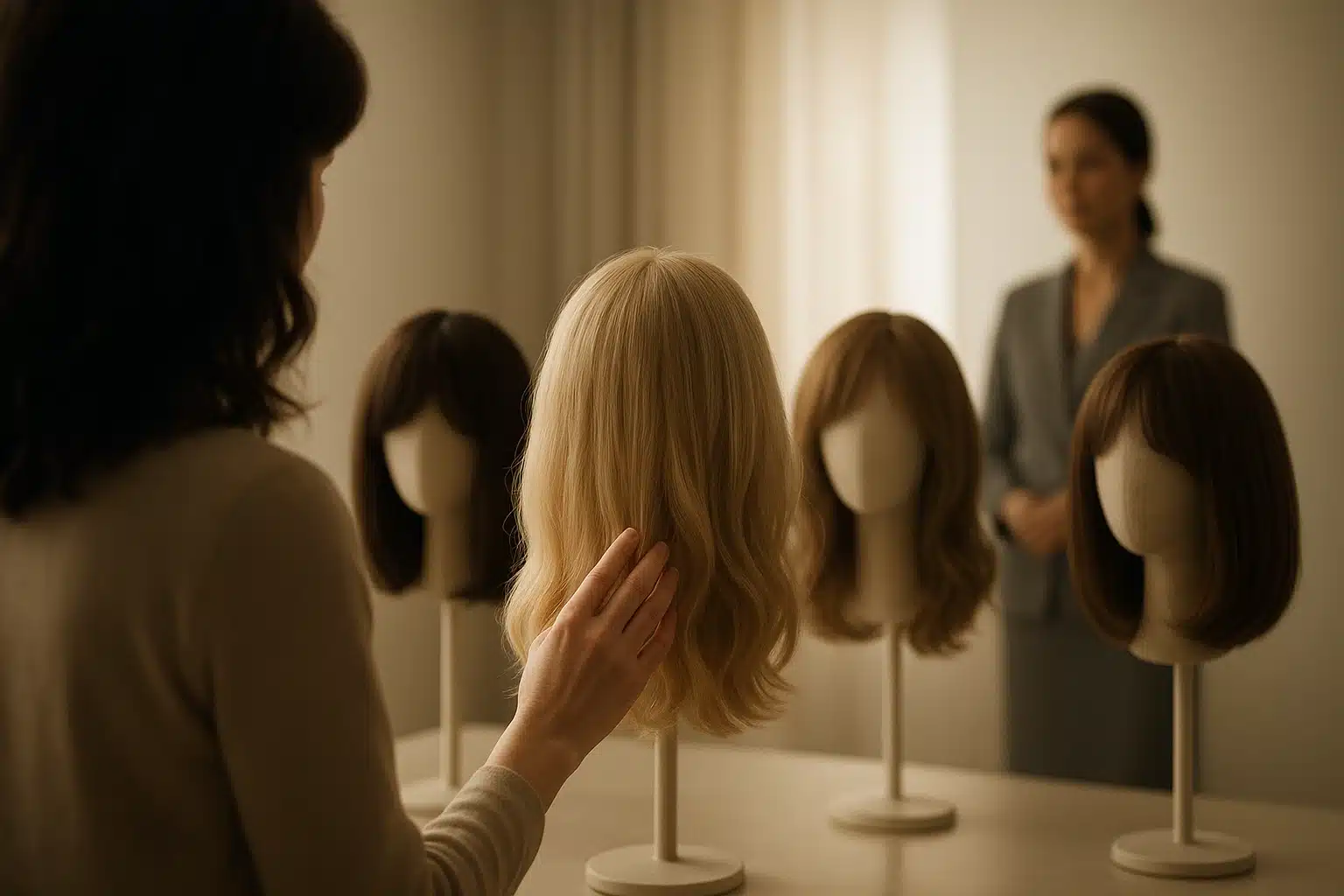
For many, the decision to explore wigs isn’t born from a desire for a fashion accessory, but from a deeply personal need to reclaim a sense of self. Whether you are navigating a medical diagnosis, transitioning, or simply value your privacy, walking into a busy retail floor can feel incredibly vulnerable. You aren’t just looking for a product; you are looking for a sanctuary where you can ask questions without an audience and explore your reflection in peace.
The challenge, however, lies in distinguishing between a standard beauty supply shop and a compassionate, professional salon. While we offer a broad guide on how to find the best wig stores near you, this specific resource is designed for those whose priority is confidentiality. Here, we will decode the “silent signals” of privacy-focused establishments and help you navigate the journey from the initial search to the final fitting with confidence and discretion.
The Privacy Mindset: Why Discretion is a Right
Before you begin your search, it is important to validate your own needs. Privacy in this context is not a luxury; for many, it is an emotional necessity. The anxiety of “will people see me without my hair?” or “will everyone know I’m buying a wig?” is a common barrier that prevents people from getting the help they need.
High-quality wig studios understand that hair loss—whether due to alopecia, chemotherapy, or genetics—is a sensitive journey. They recognize that the “transaction” is actually a transformation. Shifting your mindset from “shopping” to “consulting” can help you set higher standards for the establishments you choose to visit. You deserve an environment that protects your dignity.
Decoding the Landscape: The Privacy Tier System
Not all “private” rooms are created equal. When vetting local shops, it helps to categorize them into a “Privacy Tier System” to manage your expectations before you arrive.
Tier 1: Basic Privacy (Retail Focus)
These are typically open-floor retail stores that may have a curtained-off corner or a makeshift divider.
- Best for: Quick purchases or those comfortable with a semi-public environment.
- What to expect: You may still hear the bustle of the shop, and mirrors might be visible to passing foot traffic.
Tier 2: Professional Privacy (Dedicated Suites)
These establishments prioritize the consultation experience. They often feature separate, enclosed rooms with solid doors.
- Best for: First-time buyers, medical hair loss patients, and those needing a full fitting.
- What to expect: A dedicated stylist, specialized lighting, and a quiet atmosphere where you can discuss concerns like cornrows for wigs to ensure a flat fit, or how to handle scalp sensitivity.
Tier 3: Elite Privacy (Appointment-Only)
These studios often operate like high-end medical clinics or private boutiques. They may have frosted windows, discrete signage, or locked doors that require buzzing in.
- Best for: High-profile individuals, those in deep emotional distress regarding hair loss, or anyone requiring absolute anonymity.
- What to expect: You are often the only client in the space, ensuring total control over who sees you.
The Vetting Process: Questions to Ask Before You Go
You can often determine the level of discretion a shop offers without ever leaving your home. When you call to book an appointment, treat it as an interview. Here are five questions to ask that serve as a litmus test for their privacy standards:
- “Do you have a fully enclosed private fitting room, or is it a curtained area?” (Tests physical privacy).
- “Is your salon appointment-only, or do you accept walk-ins during my time slot?” (Tests crowd control).
- “I am nervous about being seen from the street. Does your storefront offer visibility protection?” (Tests environment).
- “Do you have experience working with medical hair loss and insurance?” (Tests empathy and technical knowledge regarding cranial prosthesis prescriptions).
- “How does the charge appear on billing statements?” (Tests transactional privacy).
The Logistics of Discretion: “Cranial Prosthesis” and Insurance
One of the most significant “aha moments” for medical wig shoppers is discovering the term “Cranial Prosthesis.” This is the medical terminology used by insurance companies to classify wigs for medical hair loss.
Many privacy-focused salons are well-versed in this language. They can often provide you with a specific invoice that uses this medical code rather than listing “wig purchase.” This not only aids in potential insurance reimbursement but also adds a layer of privacy to your financial records. If a shop doesn’t know what a cranial prosthesis is, they may not be equipped to handle the specific needs of medical hair loss patients.
Preparing for Your Private Fitting
Anxiety often stems from the unknown. Preparing for your appointment can help you feel more in control of the experience.
- Hair Preparation: If you have biological hair, consider how it will be contained. Flat braiding or cornrows for wigs are standard techniques to ensure the wig sits naturally against the head without bulk.
- Facial Aesthetics: Hair loss often affects lashes and brows. A private consultation is the perfect time to discuss how a wig frames your face. If you have lashes too thin for extensions, a stylist can recommend wig styles with bangs or specific densities that soften the facial features without drawing attention to the eyes.
- Bring a Trusted Friend: Even in a private room, having a support person can make the decision process less overwhelming.
Maintaining the Secret: Post-Purchase Privacy
True discretion extends beyond the store. Once you have found your piece, the goal is to make it look so natural that it is undetectable. This requires the right maintenance tools and knowledge.
- Product vs. Setting: Understand that maintaining the look requires specific products. Using standard drugstore hairspray can ruin a synthetic fiber. Ask your stylist about mousse for wigs which is formulated to add volume without sticky buildup, and proper rollers for wigs to maintain style memory without heat damage.
- Inclusivity in Style: Discretion isn’t just for women. Men seeking hair replacement often fear the “toupee” stigma. Modern salons offering private fittings for men can provide undetectable systems or even trendy styles like mullet wigs for men, ensuring that the desire for privacy doesn’t limit style expression.
Frequently Asked Questions
Q: Do I need a prescription to buy a wig in a private store?
A: No, you do not need a prescription to buy a wig. However, if you intend to seek reimbursement from your insurance company for a “cranial prosthesis,” you will need a prescription from your doctor.
Q: Can I request a stylist of a specific gender?
A: Absolutely. When booking your appointment, simply state your preference. High-quality salons are accustomed to these requests and will accommodate them to ensure your comfort.
Q: How do I know if the shop is LGBTQ+ friendly?
A: Look for inclusivity cues on their website or social media. However, the best way is to ask directly during your vetting call. A professional shop will affirm their commitment to serving all clients with dignity.
Next Steps in Your Journey
Finding a local store that respects your need for privacy is the first step toward feeling like yourself again. By understanding the tiers of privacy, knowing the right questions to ask, and preparing for the logistics of the visit, you turn a daunting task into an empowering decision.
Remember, you are the customer, and your comfort is paramount. If a shop doesn’t meet your privacy standards during the phone call, trust your instincts and continue your search. Your peace of mind is worth it.