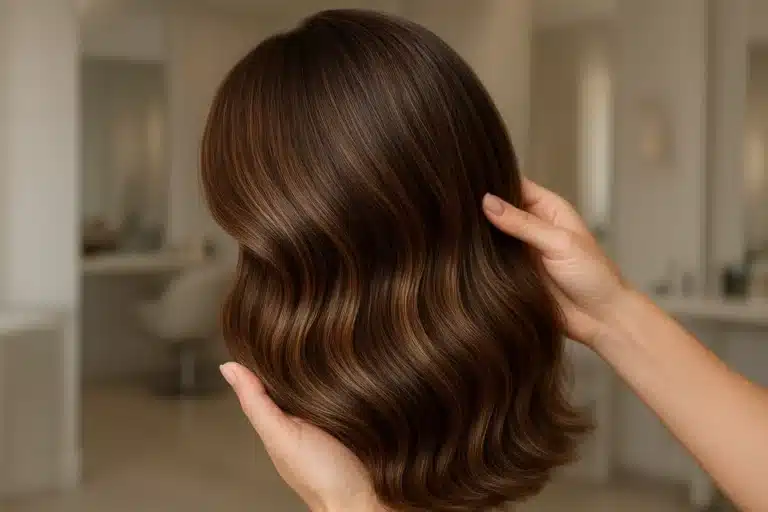
Stepping into a wig boutique for the first time can feel like learning a foreign language overnight. Whether you are navigating medical hair loss, exploring non-surgical hair restoration, or simply looking to elevate your everyday style, you are immediately met with a wall of hair, complex terminology, and vast differences in price. If you are feeling overwhelmed by terms like “monofilament,” “Remy,” and “wefted,” you are entirely normal.
To help you explore localized inventory, book specialized consultations, and understand styling options across Dane County, we highly recommend reading The Ultimate Guide to the Best Wig Stores in Madison, WI. Finding the perfect 100% human hair piece shouldn’t require a master’s degree in cosmetology. By breaking down the science of hair processing, cap construction, and local shopping realities, you can walk into any boutique feeling empowered, informed, and ready to make a confident investment.
The Human Hair Masterclass: Fiber Science, Origins, and Grades
When a label simply reads “100% Human Hair,” it is only giving you a fraction of the story. The way human hair is sourced and processed makes all the difference in how your wig will look, feel, and move over the next year.
The Cuticle Alignment “Aha” Moment: Virgin vs. Remy vs. Non-Remy
Imagine the cuticle of a human hair strand like the overlapping scales of a pinecone. When hair is naturally growing on a head, all these “scales” point downward.
- Non-Remy Hair: Often collected from salon floors, the cuticles face in all different directions. If left this way, the hair would instantly lock up and tangle (like pinecones catching on one another). To fix this, manufacturers strip the cuticles using harsh acid baths and coat the hair in temporary silicone. It feels silky in the store, but after a few washes, the silicone rinses away, leading to severe matting within 4 to 6 weeks.
- Remy Hair: This hair is carefully bundled at the source so all the cuticles remain intact and face the same downward direction. This meticulous process guarantees 1 to 3 years of soft, tangle-free movement. Premium brands like Wig Pro are highly respected in the industry precisely because they utilize “Super Remy” (Optimum Cuticle Hair) that maintains its natural integrity.
- Virgin Hair: This is Remy hair that has never been chemically treated, dyed, or permed. It is the purest—and most expensive—form of human hair available.
Understanding Hair Geography
Human hair wigs also vary greatly based on their geographic origin, which dictates the hair’s natural texture and durability:
- European Hair: Incredibly fine, silky, and rare. It is highly sought after but comes with a luxury price tag.
- Indian Hair: Features a beautiful natural wave and medium density, making it one of the most versatile options for styling.
- Brazilian Hair: Resilient and medium-to-coarse, it holds curls exceptionally well.
- Asian/Chinese Hair: Thick, straight, and boasts a very high tensile strength, meaning it can withstand heavy processing and heat styling.
Beyond the Hair: Cap Anatomy and the Realism Blueprint
A wig is only as convincing as the cap it’s built upon. The architecture of the cap dictates how the wig breathes, parts, and mimics a natural scalp.
Key Cap Features Explained
- Lace Fronts: This is the secret to an invisible, natural-looking hairline. Individual hairs are hand-tied to a sheer lace material (ranging from durable Swiss lace to ultra-fine HD lace) at the front of the wig, allowing you to pull the hair away from your face seamlessly.
- Monofilament Tops: This feature uses a sheer, breathable mesh at the crown. Hairs are individually knotted into the mesh, simulating natural follicular growth and allowing you to part the hair in any direction.
- 100% Hand-Tied vs. Open Wefted: A fully hand-tied cap means every single hair is knotted by hand, offering incredible 360-degree scalp simulation, supreme comfort, and dynamic movement. Open-wefted caps have rows of hair sewn onto elastic bands. While less realistic up close, they are incredibly breathable—a major bonus during humid Wisconsin summers!
Fit Science: The “Four-Finger Rule” Myth
Many first-time buyers are told to place four fingers above their eyebrows to determine their wig size. This is a myth. The four-finger rule is strictly an ergonomic placement guideline to help you find where your natural front hairline should begin, preventing you from pulling the wig too far down on your forehead.
True sizing requires a 3-Point Measurement Protocol:
- Circumference: Around the head, following the hairline.
- Front-to-Nape: From the center of the front hairline over the crown to the nape of the neck.
- Ear-to-Ear: Across the crown from the top of one ear to the other.
Local Directory: Top Wig Boutiques in Madison, WI
Madison is home to several specialized boutiques, each catering to different needs—from medical hair loss to everyday beauty.
- Aetheria Hair Salon & Wig Boutique (845 E Johnson St): Known for strong brand affinity in custom 100% human hair toppers and full wigs. They excel in boutique salon cutting and dimensional color blending.
- Julia Grace Salon (7878 Big Sky Dr): An incredibly empathetic environment specializing in hair loss. They offer private styling suites and highly compassionate consultations for lace front and human hair fittings.
- Capilia Madison (1334 Applegate Rd #101): Positions itself expertly around medical hair restoration. They provide precision head contouring, non-surgical hair restoration, and full human hair suites.
- Friends of UW Health Wig Salon (600 Highland Ave): A vital hospital-affiliated resource for oncology patients, offering headwear and compassionate fittings within the UW Health network.
- Savanna Beauty Supply & K Beauty Supply (Madison East & South): Highly accessible storefronts featuring a broad, ready-to-wear inventory of human hair wigs, closures, and lace care products.
Pro-Tip for the Discerning Buyer: If you are searching for highly specialized European human hair collections, it is occasionally worth making the 75-minute drive to Milwaukee to visit high-end showrooms like Naturally You Wigs or TESS Wig Boutique.
Navigating Medical Hair Loss: The Cranial Prosthesis Roadmap
If you are experiencing hair loss due to chemotherapy, alopecia, or another medical condition, you may not have to pay out of pocket for your human hair wig. In the medical and insurance world, a wig is referred to as a “Cranial Prosthesis.”
Steps for Madison Residents:
- Get a Prescription: Ask your doctor or oncologist for a prescription specifically for a “Cranial Prosthesis” (not a “wig”). The standard billing code used is HCPCS Code A9282.
- Timing Matters: If you are undergoing treatments like chemotherapy, visit a local salon (like Julia Grace or the Friends of UW Health salon) to get your 3-point measurements taken before total hair loss occurs. This ensures the most accurate cap sizing.
- Insurance & FSA/HSA: Check with your private insurer regarding coverage limits. Many Wisconsin health insurance policies cover a portion of the cost, and these purchases are often eligible for Flexible Spending Accounts (FSA) or Health Savings Accounts (HSA).
Longevity and Salon Customization: Protecting Your Investment
A high-quality human hair wig is an investment, and like any investment, it requires proper maintenance.
Never Wear It Straight Out of the Box: Real human hair wigs feature uniform density that can look slightly unnatural, or “wiggy,” upon arrival. Taking your piece to a specialized salon for point cutting, face-framing, and razor thinning will customize the density to perfectly match your facial structure.
Oxidation and Brassiness: Because human hair wigs no longer receive biological scalp oils, they are prone to oxidation. UV rays and the minerals in tap water can cause beautiful brunettes and blondes to turn warm or brassy over time. You can combat this at home with blue/purple toning shampoos, or bring the piece back to your Madison salon for professional glossing services.
Washing Protocols: Always use sulfate-free products, loop brushes (which won’t snag the delicate cap lace), and dry your piece on a proper wig block to maintain the cap’s structural integrity.
Frequently Asked Questions About Buying Human Hair Wigs
What is the difference between synthetic wigs and real human hair wigs?
Synthetic wigs are created from man-made fibers (like acrylic or polyester). They are generally more affordable, hold their style (even after washing), and are ready to wear out of the box. However, they lack the styling versatility of real hair. Human hair wigs offer supreme natural movement, can be custom colored, and can be heat-styled just like biological hair, though they require more daily maintenance.
How much does a high-quality human hair wig cost in Wisconsin?
Prices vary widely based on cap construction and hair origin. A premium 100% Remy human hair wig with a hand-tied cap and lace front typically ranges from $1,000 to over $3,000. European virgin hair pieces can easily exceed this range.
Where can I try on human hair wigs in Madison before buying?
Madison offers several excellent locations with private fitting rooms. For medical hair loss, Julia Grace Salon and Capilia Madison offer highly specialized, compassionate try-on experiences. For fashion or toppers, Aetheria Hair Salon is a top local choice.
***
Navigating the world of human hair wigs doesn’t have to be a solo journey. By understanding the basics of hair origin, cap mechanics, and local resources, you can confidently partner with Madison’s local experts to find a piece that doesn’t just cover hair loss, but genuinely restores your confidence and reflects your unique style.