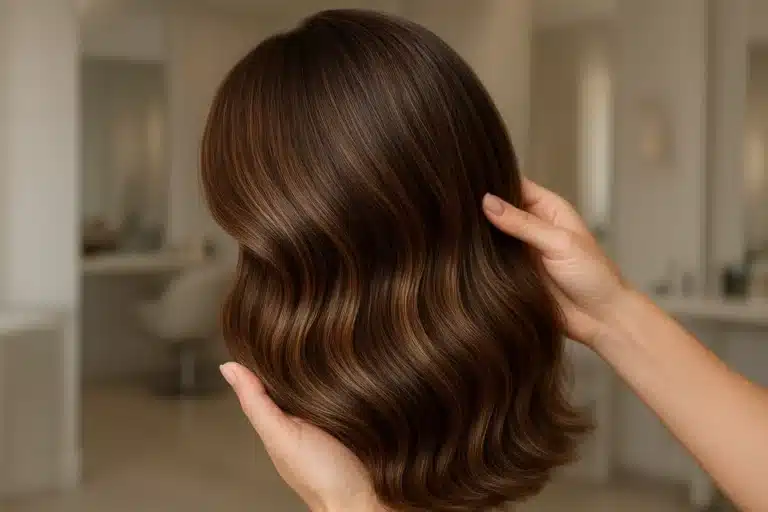
Stepping into a wig boutique for the first time can feel incredibly vulnerable. Whether you are navigating medical hair loss from chemotherapy, managing alopecia, experiencing age-related thinning, or simply seeking a high-end cosmetic change, the search for a truly undetectable wig in Dane County often starts with a mix of hope and overwhelming confusion. You want a style that looks exactly like your natural hair, but a quick online search throws a dizzying array of terminology your way: Swiss lace, hand-tied perimeters, double monofilaments, and cranial prostheses.
Before you step foot into a fitting room, understanding this landscape is crucial. Having a comprehensive guide to the best wig stores in Madison, WI can completely transform your shopping experience, helping you avoid common beginner pitfalls. By learning the fundamental engineering behind modern wigs and knowing exactly which local environments cater to your specific needs, you can bridge the gap between late-night digital research and walking out of a local boutique with absolute confidence.
Here is your educational blueprint for understanding realistic wig construction and navigating the Madison, Wisconsin wig ecosystem.
The Realism Blueprint: Decoding Wig Cap Anatomy
When shoppers ask, “Will people be able to tell I’m wearing a wig?” the answer almost entirely depends on the architecture of the wig cap. Many beginners mistakenly view “lace front” and “monofilament” as two opposing choices, but they actually serve completely different functions.
Lace Front Wigs: The “Horizon” View
Think of a lace front as the horizon line of your wig. It controls the realism of your hairline. A lace front wig features a delicate, nearly invisible sheer mesh at the very front edge of the cap. Hair fibers are meticulously hand-tied into this lace, creating the illusion of hair growing directly out of your scalp. This allows you to pull the hair back away from your face without exposing a harsh, solid edge.
Monofilament Caps: The “Bird’s-Eye” View
If the lace front is the horizon, the monofilament cap is the bird’s-eye view. This construction involves a soft, translucent micro-mesh panel—usually at the crown or the parting area. Every single hair is individually tied into this mesh. When you look down at the top of a monofilament wig, the mesh takes on the color of your own scalp, allowing for multi-directional parting and natural movement.
The Hybrid Gold Standard
The most undetectable wigs on the market are lace front monofilament wigs. By combining the sheer, natural hairline of the lace front with the realistic scalp illusion of the monofilament top, this hybrid architecture engineers total realism.
Three Secrets to an Undetectable Wig
Even with the best cap construction, a wig can look unnatural if not chosen or worn correctly. Here are three insider concepts that separate obvious wigs from flawless styles.
1. The Density Reality Check
Beginners often equate thickness with quality, assuming that more hair (heavy density) means a better wig. This is a common trap. Excessive density creates a bulky, helmet-like appearance that screams “wig.” To achieve natural motion and age-appropriate realism, seek out light-to-medium density wigs. A lighter density allows the hair to fall, tuck, and move just like natural bio-hair.
2. The Four-Finger Rule for Hairline Placement
A major reason wigs look fake is improper placement—specifically, pulling the wig too far down on the forehead. To find your natural hairline, use the “Four-Finger Rule.” Place your index finger just above your brow bone and stack four fingers flat against your forehead. The edge of your lace front should sit right above your top finger. This instant “aha!” measurement ensures anatomically correct placement every time.
3. The Knot Camouflage Principle
When hair is tied to lace, a tiny knot is formed. On darker wigs or blonde styles with darker roots, these knots can sometimes look like tiny dots on the scalp (the “polka-dot effect”). Premium realistic lace front wigs combat this using bleached knots or single-tying techniques along the delicate lace rim, creating an undetectable, flawless root simulation.
Mapping Madison’s Local Wig Ecosystem
Madison offers a surprisingly diverse array of wig shopping environments, but walking into the wrong type of store can lead to frustration. Here is a breakdown of the local landscape so you know exactly where to go.
Private, Full-Service Boutiques
For those seeking a private, consultative experience, high-end salons like Julia Grace Salon (located in West Madison) specialize in full-service fittings. These environments are ideal if you want one-on-one privacy, custom sizing, and a professional to guide you through a structured placement process (like their signature four-step fitting method). They cater heavily to both fashion wearers and medical hair loss clients.
Clinical Support and Hospital Programs
If you are an oncology patient, the UW Health Eastpark Medical Center Wig Salon and various “Friends of UW Health” programs offer incredible clinical support. These centers understand the physical and emotional toll of chemotherapy, providing sensitive scalp solutions, free or subsidized wig programs, and deep empathy for the medical journey.
Commercial Beauty Suppliers
For budget-friendly synthetic selections, high-volume beauty supply stores like K Beauty Supply on South Park Street or Savanna Beauty Supply along the East Washington corridor offer vast inventories. While these stores are fantastic for quick, economical fashion wigs, they typically do not provide private fitting rooms or detailed medical hair loss consultations.
The Medical Cranial Prosthesis Navigator
If you are losing hair due to a medical condition like alopecia or chemotherapy, you aren’t just buying a wig—you are being prescribed a “cranial prosthesis.”
Many insurance plans in Wisconsin offer reimbursement for these medical necessities, but the process requires specific steps:
- Get a Prescription: Have your UW Health oncologist or local dermatologist write a prescription explicitly for a “Cranial Prosthesis” (do not use the word “wig”).
- Use the Right Codes: Ensure your claim uses the CPT code A9282 (the universal medical billing code for a cranial prosthesis).
- Save Your Receipt: Have the boutique itemize your receipt with their Tax ID and the matching CPT code.
- Utilize Tax-Advantaged Accounts: Even if your insurance denies the claim, cranial prostheses are highly eligible expenses for HSA (Health Savings Account) and FSA (Flexible Spending Account) funds.
Practical Tips for Daily Wear in Wisconsin
Navigating Fiber Science
Choosing between synthetic and human hair dictates your daily routine:
- Synthetic & Heat-Friendly Synthetic: These fibers possess “style memory.” Even after washing, they snap back to their original style without blow-drying or curling. They are perfect for low-maintenance, wash-and-wear daily use, though standard synthetics must be kept far away from open ovens or dishwashers to prevent melting.
- 100% Remy Human Hair: Human hair offers the ultimate longevity and restyling freedom. However, it reacts to Wisconsin humidity just like natural hair and requires daily styling, deep conditioning, and careful maintenance.
Wisconsin DOT Photo Regulations
A common concern for daily wearers is how a wig impacts official identification. Rest assured, the Wisconsin Department of Transportation (WisDOT) allows you to wear your wig for driver’s license and state ID photos, provided it is worn daily and does not obscure your facial features.
Frequently Asked Questions (FAQ)
Do I have to glue down a lace front wig every day?
No. While beauty influencers often glue down frontals for extreme holds, high-quality, ready-to-wear lace front wigs are designed to lay flat against your forehead naturally. Adjustable straps and velvet ear tabs secure the wig without messy adhesives.
What should I expect during a private fitting consultation?
A quality consultant will prioritize your comfort. They will take three vital measurements (circumference, front-to-nape, and ear-to-ear over the crown) to determine your cap size, discuss your lifestyle needs, and teach you how to properly put on and secure the wig.
Can I wear monofilament lace front blonde wigs without dark knots showing?
Yes. High-end blonde wigs use a combination of light-colored hand-tied fibers and translucent monofilament mesh to ensure the parting looks identical to a natural, pale scalp.
Taking the Next Step
Discovering the perfect wig is a journey of reclaiming your confidence, and education is your most powerful tool. Now that you understand the mechanics behind natural hairlines, the importance of density, and the layout of the Madison wig market, you are fully equipped to make an informed, confident choice. Remember, the right wig shouldn’t just look like natural hair—it should make you feel beautifully and authentically yourself.