Experiencing sudden medical hair loss due to chemotherapy or an alopecia diagnosis can feel entirely overwhelming. Between managing doctor appointments, navigating a new physical reality, and processing the emotional weight of your diagnosis, losing your hair adds an unexpected layer of vulnerability. But finding the right guidance, compassionate care, and practical solutions in Dane County shouldn’t add to your stress.
Navigating treatment-induced hair loss or an autoimmune diagnosis requires a specialized approach. While our broader overview of the best wig stores in Madison, WI highlights top retail boutiques across the region, this guide focuses specifically on the clinical, emotional, and financial aspects of selecting medical wigs for alopecia and chemo hair loss. Choosing a hair loss solution under these circumstances isn’t just about fashion—it’s a crucial healthcare step, and we are here to help you demystify the terminology, understand your insurance benefits, and find the local support you deserve.
The Foundation: Fashion Wigs vs. Medical Cranial Prostheses
When you begin your research, you will likely see the terms “wig” and “cranial prosthesis” used interchangeably. However, in the medical and insurance worlds, there is a massive difference between the two.
A standard fashion wig is designed for individuals with a full head of hair. It usually features an open-wefted cap that can feel incredibly scratchy and irritating against a bare, sensitive scalp. A medical cranial prosthesis, on the other hand, is specifically engineered for total or partial hair loss.
Understanding Medical Cap Architecture
When your scalp is tender from radiation or chemotherapy, or sensitive due to alopecia, the inside of your hairpiece matters just as much as the outside. Medical caps typically feature:
- Monofilament Tops: A micro-mesh fabric where individual hairs are hand-tied, allowing your natural scalp color to show through and preventing friction.
- 100% Hand-Tied Bases: These caps stretch naturally and eliminate the heavy, bulky seams that cause irritation.
- Polyurethane/Silicone Grips: Strategically placed non-slip tabs that secure the piece using the natural warmth of your skin, eliminating the need for tapes, glues, or clips that could damage tender skin.
Material Matters: Synthetic vs. Human Hair
Your diagnosis heavily influences which hair material will serve you best.
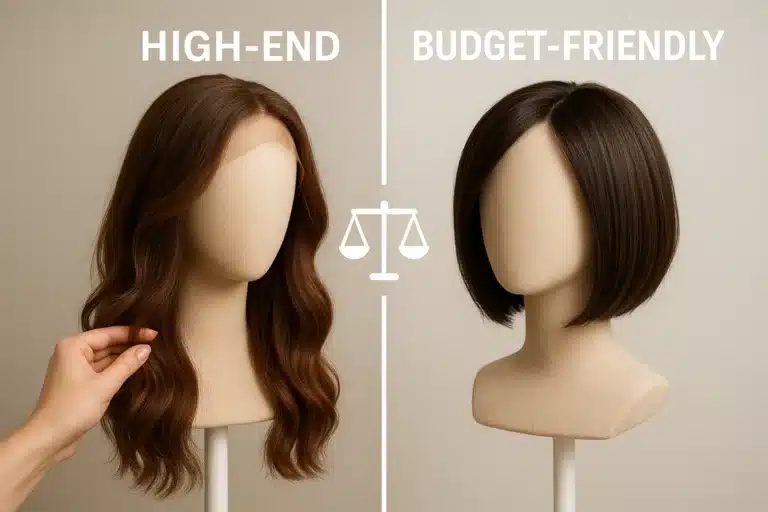
If you are undergoing chemotherapy, you will likely experience profound fatigue. A high-quality medical-grade synthetic (memory fiber) prosthesis is often the best choice. It is incredibly lightweight, budget-friendly, and comes pre-styled—meaning even after a wash, it bounces right back to its original shape with zero daily styling exertion required.
For those navigating long-term or permanent alopecia, human hair (especially premium European or Remy hair) offers unmatched longevity, natural movement, and heat-styling versatility. While it requires a higher initial investment, it provides a sense of restorative normalcy for daily, long-term wear.
The Insurance Blueprint: Getting Covered in Wisconsin
One of the biggest hurdles patients face is understanding how to get their hairpiece covered by insurance. The most important rule to remember? Never submit the word “wig” to your insurance company. Automated claim systems will immediately deny it as a cosmetic exclusion. Terminology is your currency.
The Wisconsin Claim Readiness Checklist
To successfully process a claim through local HMOs like Quartz, Dean Health Plan (SSM Health), or GHC-SCW, you need a precise documentation trail. Ensure you have the following four elements on your doctor’s prescription:
- Your Physician’s NPI Number: The standard identification number for your ordering doctor or oncologist.
- The Correct ICD-10 Diagnostic Code:
- For Chemotherapy:
L65.9(Non-scarring hair loss) orZ51.1(Encounter for antineoplastic chemotherapy). - For Alopecia:
L63.0(Totalis),L63.1(Universalis), orL63.9(Unspecified).
- The Proper HCPCS Code:
A9282(Wig, any type, each – Cranial Hair Prosthesis). This classifies your piece as Durable Medical Equipment (DME). - Specific Medical Necessity Wording: Your prescription must explicitly state “Cranial prosthesis for medical hair loss.”
Lightbulb Moment: Does Medicare cover cranial prostheses? Original Medicare (Parts A and B) explicitly excludes them. However, if you are enrolled in a Medicare Advantage (Part C) plan, check your specific policy. Many regional Advantage plans offer supplemental DME allowances that will cover a portion of your prosthesis.
Navigating Denials and Appeals
If your local Wisconsin insurer initially denies your claim, do not panic. Denials often happen due to automated system errors. You have the right to appeal by submitting a letter of medical necessity from your oncologist or dermatologist, explaining that the prosthesis is not cosmetic, but a required psychological and physical support tool during your medical treatment.
What to Expect: Demystifying the Private Consultation
Beginners often experience severe apprehension about walking into a salon with thinning hair. The thought of people staring can be paralyzing. However, a specialized medical wig consultation in Madison is designed entirely around your privacy and dignity.
Here is what actually happens during a standard 60-minute private consultation:
- The Private Suite: You will be escorted into a confidential, sanitized private room. You won’t be out on a main salon floor.
- Scalp Mapping and Measurement: A specialist will carefully measure your head circumference and map your natural hairline. Because hair loss changes the shape and sensitivity of your scalp, precise measurements are critical for a secure fit.
- Sensory Testing: You will try on different cap weights and materials to gauge breathability and skin sensitivity.
- Customization: Once you select a piece, the specialist will custom-thin, trim, and shape the prosthesis to mirror your original hair, ensuring you look and feel like yourself.
Timeline Tip: If you are undergoing chemotherapy, book your consultation 2 to 3 weeks before your first infusion. Hair shedding typically begins around day 14 of treatment, and having your prosthesis ready beforehand provides immense psychological comfort.
Your Local Care Network: Dane County Support Ecosystem
You do not have to navigate this journey alone. Madison has a robust ecosystem of clinical and emotional support tailored specifically for individuals facing medical hair loss.
For Financial Barriers and Free Resources: If you are facing financial hardship, the Friends of UW Health Wig Salon located at the Eastpark Medical Center is a vital resource. They provide complimentary medical wigs, scarves, and licensed volunteer fittings for oncology patients. It is an incredible first stop for those who need immediate, compassionate assistance without the financial burden.
For Emotional Support and Counseling:The emotional toll of hair loss requires as much care as the physical side. Gilda’s Club Madison (part of the Cancer Support Community) in Middleton offers phenomenal psychosocial oncology support. From free support groups and short-term individual counseling to wellness workshops, they provide a safe space to process your diagnosis with others who truly understand what you are going through.
Frequently Asked Questions (FAQ)
How do I wash, secure, and maintain a medical wig cap without irritating my scalp?
Medical caps should be washed gently in a basin using specialized sulfate-free shampoos. Never rub or scrub the cap. To secure the piece without irritation, rely on the cap’s built-in silicone grip tabs or wear a bamboo or aloe-infused wig liner underneath. Avoid harsh adhesive tapes on bare, tender skin.
Can I just buy a wig online and submit the receipt to my insurance?
It is highly risky. Insurance companies require an itemized DME (Durable Medical Equipment) invoice featuring the provider’s Tax ID, the HCPCS A9282 code, and a matching prescription. Most standard online fashion wig retailers cannot provide this specialized medical billing documentation, resulting in claim denials.
What if my insurance payer claims a cranial prosthesis is “cosmetic”?
This is a common initial denial tactic. You must file an appeal utilizing resources from organizations like the National Alopecia Areata Foundation (NAAF). An appeal should include your doctor’s letter of medical necessity and documentation proving the psychological and physical necessity of the prosthesis for your specific diagnosis.
Taking Your Next Steps
Facing medical hair loss is a deeply personal and challenging transition, but you are armed with the knowledge to take control of the process. By understanding the anatomical differences of a cranial prosthesis, utilizing the correct insurance codes, and leaning on Madison’s incredible local support networks, you can navigate this chapter with confidence and dignity.
Take a deep breath. Gather your medical documentation, reach out to local Dane County support networks like Gilda’s Club, and schedule a private consultation when you feel ready. You deserve to feel comfortable, supported, and completely like yourself again.