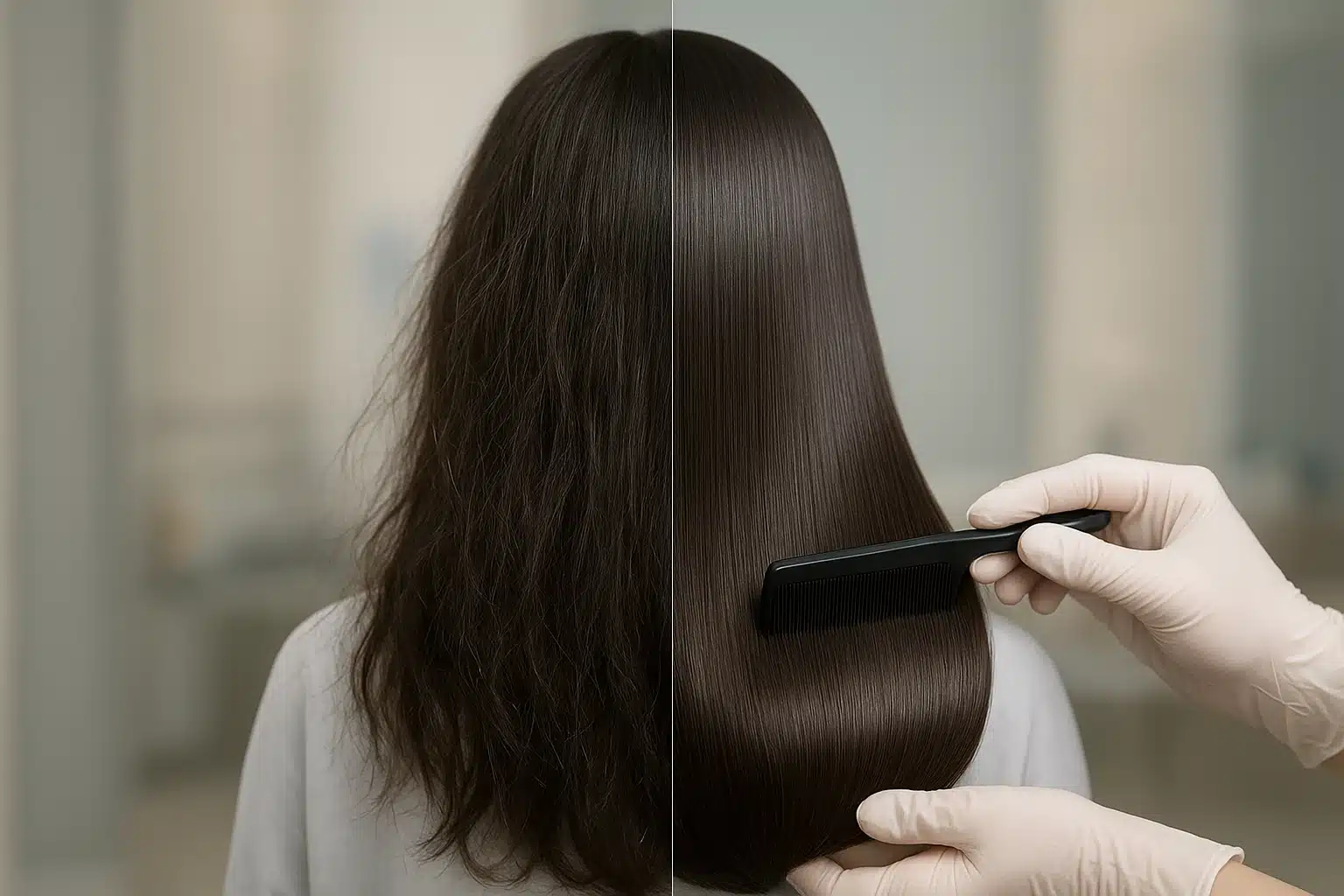
We all know the heart-sinking feeling. You’ve invested time, emotion, and hard-earned money into a beautiful hairpiece, only to notice the nape is turning into an unmanageable bird’s nest, the lace is fraying, or the color has lost its vibrant luster. Whether you’re a medical patient navigating chemotherapy in Tacoma, a protective style enthusiast in Lakewood, or someone who simply loves the versatility of alternative hair, watching your premium wig degrade is incredibly frustrating.
You might assume your only option is to toss it in the bin and start over. While finding the right replacement is sometimes necessary—and our guide to shopping for wigs in Tacoma, WA is a great place to start if you’re ready for something new—many “ruined” wigs are entirely salvageable. Extending the life of your investment requires specialized maintenance and a bit of scientific know-how that rarely gets taught at the checkout counter.
Let’s demystify the art of wig restoration, explore what you can fix at home, and identify exactly where to turn in Pierce County when you need a professional touch.
The Emergency Wig Assessment: Triage Your Hairpiece
Before you grab a comb or a bottle of shampoo, take a breath. High-end wigs are significant investments, and treating them blindly can make damage worse. Use this 60-second triage checklist to identify your wig’s specific crisis:
- Mild Friction or Dryness: The hair feels brittle, but you can still run your fingers through most of it. Verdict: 100% salvageable at home with deep hydration.
- Severe Matting (The Bird’s Nest): The hair is locked together, especially at the nape of the neck. Verdict: Salvageable at home, but requires patience, proper technique, and specific “slip” agents.
- Lace Tears or a Thinning Hairline: The delicate lace at the front is ripped, or the part is looking suspiciously bald. Verdict: Requires structural micro-repair or professional re-ventilating.
- Melted or Singed Synthetic Ends: The ends look like crumpled plastic after exposure to an open oven or a too-hot styling tool. Verdict: Requires micro-shearing (trimming) or professional steam reshaping.
The Science of the Strand: Human Hair vs. Synthetic Fibers
To properly fix a damaged human hair wig or synthetic piece, we first need to understand why they fail. Treating a synthetic wig like human hair—or vice versa—is the number one reason DIY repairs go wrong.
Human Hair Wigs: The Hydration Crisis
Biological hair growing from your scalp receives a constant supply of sebum (natural oils) that keeps the cuticle smooth and protected. A human hair wig receives absolutely zero of these natural lipids. Every time you wash, heat-style, or expose your wig to the elements, the protective outer cuticle lifts and dehydrates.
Because the hair cannot heal itself, we have to artificially replace those lipids using ceramides, silicones, and hydrolyzed keratin. When trying to fix a human hair wig, your primary goal is always pH balancing (keeping products between 4.5 and 5.5) and deep lipid replenishment.
Synthetic Hair: The Thermoplastic Reality
Synthetic and heat-friendly fibers are essentially extruded plastics (modacrylics). They don’t have cuticles, and they don’t absorb moisture. When a synthetic wig gets frizzy or matted, it isn’t “dry”—it’s suffering from mechanical friction that has caused micro-kinks in the plastic fibers.
The Fabric Softener Myth: You’ve probably seen internet hacks suggesting you soak synthetic wigs in fabric softener. Please, skip this! While the cationic surfactants in softener temporarily coat the plastic to reduce static, they leave behind a thick petroleum wax buildup. Over time, this wax attracts dust, accelerates yellowing, and causes premature matting. Stick to water-soluble wig lubricants specifically designed for alternative hair.
Step-by-Step Home Revival Protocols
Ready to roll up your sleeves? Here is how to tackle the most common wig emergencies safely.
Protocol 1: How to Fix Tangled Human Hair Wig Systems
Almost 80% of wig tangles start in the “Nape Friction Triangle”—the area at the back of the neck where hair rubs against coat collars, wool scarves, and sweat.
- Never detangle soaking wet: Wet human hair is highly elastic and prone to snapping. Always detangle dry or slightly damp using a specialized “slip” spray (a silicone-based leave-in conditioner).
- The Bottom-to-Top Rule: Pin the hair up and work in small, one-inch sections starting from the very bottom of the nape.
- Tool Selection: Use a wide-tooth detangling rake or a looped wig brush. Hold the hair firmly at the root to prevent pulling tension on the delicate hand-tied knots in the lace cap.
Protocol 2: How to Restore and Fix Damaged Curly Hair Wigs
Curly wigs require an entirely different approach than bone-straight silk presses. If you brush a curly wig while dry, you will destroy the curl clump matrix and create a massive cloud of frizz.
To restore curly human hair wig patterns, opt for a deep basin soak. Fill a sink with lukewarm water and a sulfate-free chelating shampoo. Gently dunk the wig in and out of the water—do not scrub or agitate the hair. After rinsing, apply a heavy moisturizing conditioner and use the “Squish to Condish” method: cup the curls in your hands and gently scrunch upward toward the base to encourage the curl memory. Set the wig on a canvas block and allow it to air dry, or use flexi-rods to help redefine curls that have gone limp from heat damage.
Protocol 3: Deep Reconditioning (Skip the Boiling Water)
Another common myth is the “boil bath.” While careful steam can reset the memory of synthetic plastics, dropping a human hair wig into boiling water will permanently damage the delicate lace cap and severely weaken the hair shaft.
Instead, to smooth lifted cuticles on a processed blonde or color-treated human hair piece, apply a dimethicone-based emollient mask and place the wig in a warm (not hot) towel. This gently opens the cuticle just enough to infuse hydrolyzed proteins, restoring bounce and movement without compromising the wig’s foundation.
Beyond the Hair: Structural Mastery and Cap Repair
Sometimes the issue isn’t the hair—it’s the architecture of the wig itself.
- Stopping Excessive Shedding: If your wig is shedding excessively, the knots at the base may be loosening due to oils or friction. You can turn the wig inside out and apply an acrylic knot sealant spray to the lace. This locks the tiny hand-tied knots back in place.
- Lace Tears: Small tears in the lace front can often be patched using transparent medical-grade lace tape or invisible nylon micro-stitching.
- Loose Tracks: If a machine-wefted track in the back of the wig is coming loose, a simple overcast stitch with a needle and nylon thread can secure it back to the foundation cap.
DIY vs. Professional Restoration: The Pierce County Directory
Knowing when to step back and call a professional is vital. A good rule of thumb is the “Repair vs. Replace” economic formula: if the bench fee to re-weft, re-ventilate, and de-mat your wig exceeds 50% of the cost of a brand new piece (or a high-quality human hair half wig near me), it might be time to invest in a new unit.
However, if your piece holds sentimental value or was a significant investment, Pierce County is home to several incredible specialists who can work miracles.
Local Pierce County Environmental Note: Keep in mind that the municipal water grid in the Tacoma/Pierce County area provides moderately soft-to-medium water. While better than hard water, it can still cause mineral buildup on alternative hair over time. Make sure you are clarifying your wigs every 6 to 8 washes!
Here are verified local resources you can trust:
- Upscale Hair Salon & Wigs (Downtown Tacoma): A fantastic destination when you need full customization. They specialize in precision cut-ins, color restoration, and high-end human hair revival, utilizing professional steam reconditioning that goes far beyond what you can achieve in a bathroom sink.
- Naturally Us Wig Restoration (Tacoma/Pierce County Area): If your unit needs a total spa day, they offer dedicated revamp services, careful deep-cleaning, and structural troubleshooting for both synthetic and human hair pieces.
- Master Hair Care (Federal Way Corridor): Excellent for medical-grade cranial prostheses and specialized topper care. They are experts in making microscopic unit adjustments and resting synthetic pieces that have lost their style memory.
Frequently Asked Questions (FAQ)
Can a completely matted human hair wig be fixed?
Yes! Unless the hair has physically melted or snapped off at the root, severe matting can almost always be detangled. It requires a generous application of a silicone-based detangling spray (to create “slip”) and hours of patient, bottom-to-top gentle combing.
Why is my wig matting only at the back of the neck?
This is known as the “Nape Friction Triangle.” It happens because the hair constantly rubs against your collar, scarves, and shoulders, combined with natural body heat and sweat. A quick 30-second brush-out of the nape area at the end of every day will completely prevent this issue.
How do I safely dissolve dried waterproof lace glue without ripping fine HD lace?
Never pull or peel dry lace! You must use a specialized citrus-based or alcohol-based lace adhesive solvent. Spray it directly onto the glue, wait 2 to 3 minutes for the chemical bond to break down, and the lace will gently lift away from the skin or canvas block without tearing.
Where can I find a human hair wig specialist near me in Pierce County?
Tacoma and the surrounding areas have a robust network of specialists. For structural cap repairs, medical prosthesis adjustments, or deep reconditioning, salons like Upscale Hair Salon & Wigs in Tacoma and Master Hair Care in Federal Way are excellent local resources to consult before deciding to throw away your piece.
Don’t Give Up on Your Hair
Your wig is an extension of your personal style and a vital tool for your confidence. By understanding the unique chemistry of your piece, establishing a preventive daily routine, and knowing exactly when to utilize local Pierce County professionals, you can keep your alternative hair looking flawless for years to come. Treat your wig with a little patience and care, and it will continue to care for you!