Receiving a medical diagnosis that involves hair loss is a moment that pauses time. Suddenly, the focus shifts from everyday concerns to a journey of healing and adaptation. For many, the prospect of losing hair is one of the most emotionally charged aspects of treatment, as it feels like losing a part of one’s identity. In this vulnerable time, finding the right support system is crucial, and that includes knowing where to turn for hair replacement solutions that offer dignity, privacy, and comfort.
Navigating the landscape to find the best wig stores in Miami becomes a priority, yet it can feel overwhelming amidst medical appointments and treatment plans. This isn’t just about shopping for an accessory; it is about finding a “cranial prosthesis”—a specialized medical device designed for sensitive scalps and long-term wear. Whether you are beginning chemotherapy or managing alopecia, understanding what to look for in a provider can transform a stressful errand into a step toward reclaiming your confidence.
The Medical Wig Journey: More Than Just a Shopping Trip
When you step into the world of medical hair loss, you quickly realize that the standard retail experience doesn’t apply. You aren’t looking for a costume or a fashion statement; you are looking for a solution that mimics your biological hair while respecting the sensitivity of your scalp.
The “Cranial Prosthesis” Distinction
One of the first “aha moments” for many patients is learning the term Cranial Prosthesis. This isn’t just fancy medical jargon; it is the key to both comfort and insurance reimbursement.
Unlike standard fashion wigs, a cranial prosthesis is constructed with specific medical necessities in mind:
- Cap Construction: They often feature monofilament tops or hand-tied caps that allow the scalp to breathe and create the illusion of natural hair growth from the scalp.
- Materials: The interior materials are designed to be hypoallergenic and soft, preventing irritation on skin that may be tender from chemotherapy or radiation.
- Security: They utilize silicone grips or specialized perimeter materials to ensure the wig stays secure without the need for harsh adhesives.
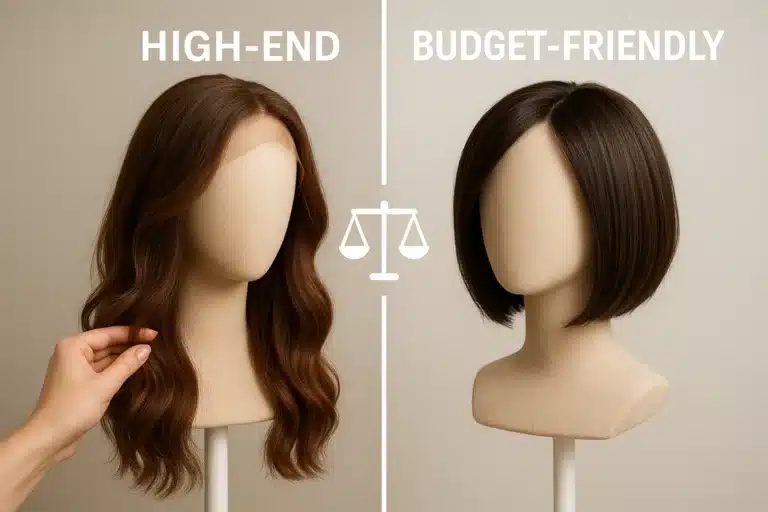
Understanding this distinction helps you avoid the “confusion point” of buying a lower-quality wig that might look okay on a mannequin but feels unbearable after an hour of wear.
Navigating Miami’s Climate: The Humidity Factor
Miami presents a unique challenge that generic online guides often miss: the intense heat and humidity. A wig that works perfectly in a cooler climate can become a source of discomfort in South Florida if the material isn’t chosen carefully.
Defeating “Synthetic Frizzle” and Heat
If you opt for synthetic hair, you must be wary of “friction frizz,” which is exacerbated by sweat and humidity. In Miami, the heat trapped between the scalp and the wig cap can cause standard synthetic fibers to degrade faster, especially at the nape of the neck.
To combat the Miami climate, look for:
- Bamboo Liners: These are a game-changer for Florida residents. Bamboo is naturally moisture-wicking and cooling, providing a barrier that keeps the scalp dry and the wig cap clean.
- Proper Density: A common mistake is choosing a wig with 180% to 250% density, thinking “more hair is better.” In reality, a density of around 130% is not only more realistic for most medical patients but significantly cooler and lighter to wear in the tropical heat.
The “Whole Patient” Approach: What to Look for in a Retailer
The hallmark of a high-quality wig provider is how they treat the person, not just the product. When evaluating your options, look for establishments that prioritize the emotional aspect of the experience.
Privacy and Compassion
Institutions like the Sylvester Comprehensive Cancer Center have set a precedent for compassionate care, often providing resources like “Wig Rooms” where patients can explore options in private. When seeking a private retailer or an online boutique, look for that same level of sensitivity.
Does the store offer private consultation areas? Do they use terminology that respects your medical journey? A high-quality wig shop understands that you might need a moment to process your reflection. The goal is to bridge the gap between a clinical diagnosis and the emotional restoration of your self-image.
The “Four-Finger Rule” and Education
A reputable provider will teach you how to wear your hair, not just sell it to you. For example, they should teach you the “Four-Finger Rule” for placement: placing four fingers flat on your forehead above your eyebrows to find the natural hairline start point. This simple tip prevents the wig from sitting too low (which looks unnatural) or too high (which can feel insecure).
Insurance and Logistics in Florida
One of the most practical reasons to seek out experts is their ability to help you navigate the financial side of medical hair loss. Many insurance policies in Florida cover a portion or the entirety of a wig cost, provided the paperwork is handled correctly.
The Prescription Checklist
To maximize your chances of reimbursement, ensure your physician writes a prescription for a “Cranial Prosthesis” rather than a “wig.” Insurance companies often view “wigs” as cosmetic, whereas a prosthesis is viewed as a medical necessity for a condition like Alopecia or Chemotherapy-Induced Anagen Effluvium.
A Standard Florida Reimbursement Flow usually requires:
- A prescription with the specific medical code for your condition.
- A receipt from the retailer specifically itemizing a “Cranial Prosthesis.”
- A National Provider Identifier (NPI) from the retailer, if applicable (though many patients file for direct reimbursement).
Frequently Asked Questions
Q: Should I choose human hair or synthetic hair for the Miami climate?
A: High-quality synthetic hair is often recommended for medical hair loss because it retains its style in humidity and is generally lighter weight than human hair. However, human hair offers the most natural movement. If you choose human hair in Miami, be prepared for it to react to humidity (frizz/curl) just like biological hair.
Q: How do I match my hair color if my hair has already started falling out?
A: If possible, save a lock of your hair to use as a swatch. If that isn’t possible, photos taken in natural light are incredibly helpful for experts to find your perfect shade match.
Q: Will wearing a wig prevent my natural hair from growing back?
A: No. A properly fitted, breathable wig (like a hand-tied or monofilament cap) will not inhibit hair growth. In fact, wearing a protective layer can sometimes help keep the scalp healthy as hair returns.
Moving Forward with Confidence
Choosing a wig is a significant milestone in your medical journey. It signifies a moment where you take control of your appearance and how you present yourself to the world during a time of change. Whether you visit local resources like the health areas near Baptist Health or explore specialized online boutiques that ship directly to your door, remember that you are not just a customer—you are a patient deserving of care, expertise, and quality.
By focusing on the technical quality of the cap, the suitability of the fiber for the Miami climate, and the compassion of the provider, you can make a choice that supports your healing process.