If you’ve ever found yourself staring at a screen, squinting at dozens of tiny hair color swatches, and feeling a creeping sense of “choice fatigue,” you are not alone. Screen-color anxiety is a very real part of the wig-buying journey. You might be wondering: Will that dark root look too harsh on me? Is this blonde warm or cool? And what exactly does that little “-R” mean at the end of the color name?
For nearly two decades, the team at Wig Superstore has guided individuals through the emotional and transformative process of finding the perfect hair. We know that transitioning to wearing wigs—whether due to hair loss or just a desire for a fresh, effortless style—comes with a steep learning curve.
Today, we are going to demystify one of the most celebrated color systems in the alternative hair industry. Welcome to your Noriko Color Decoder Ring. We aren’t just going to give you a list of definitions; we’re going to look at the physics of the blend so you can choose your next look with absolute confidence.
The “Shadow Logic”: Why Noriko Colors Look So Natural
Many first-time wig wearers worry about their hair looking “flat” or “wiggy.” In natural, biological hair, the color is never just one solid shade. It catches the light differently at the crown than it does at the ends, and the hair closest to the scalp is almost always naturally darker.
Noriko mastered the art of replicating this through what we call “Shadow Logic.”
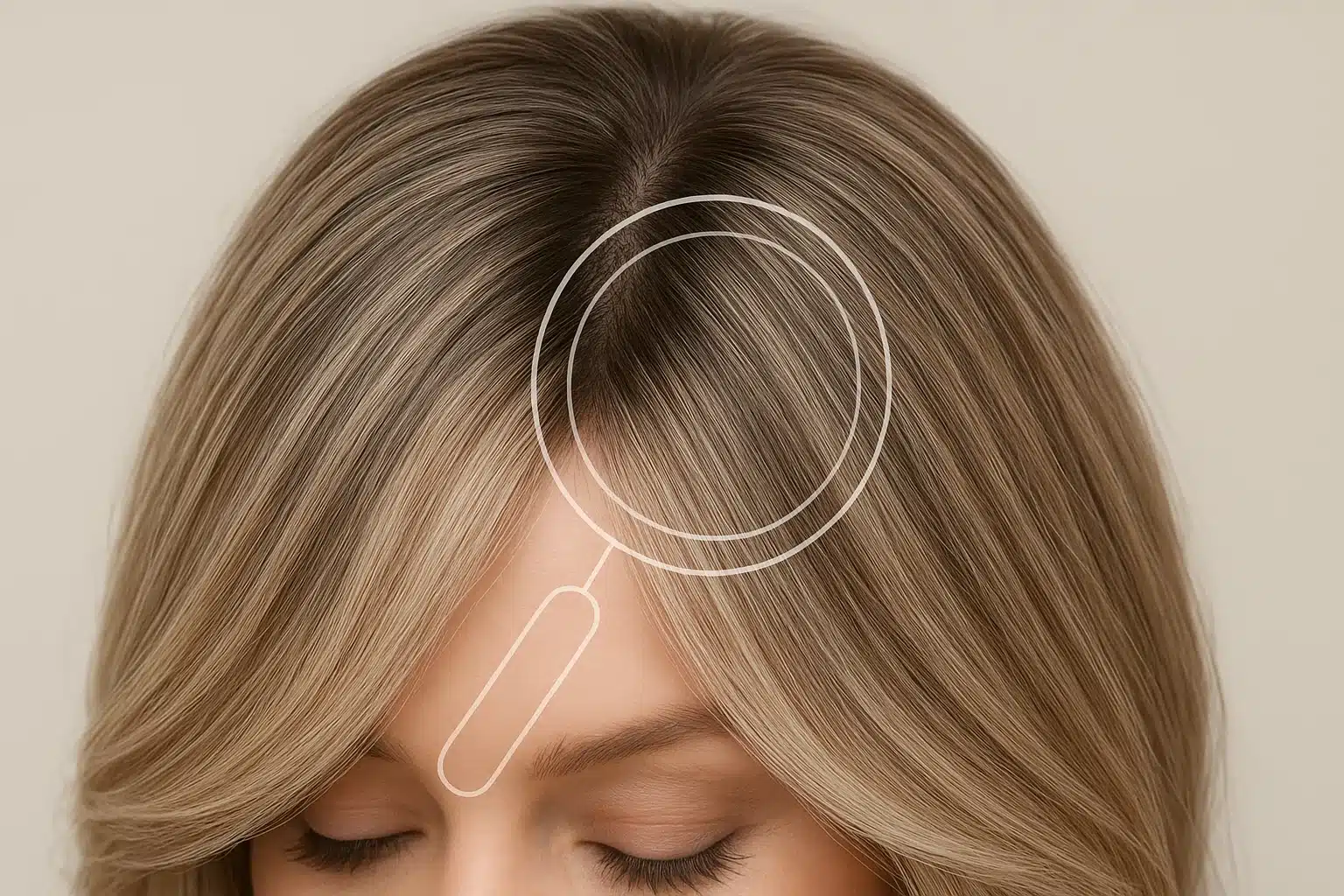
Their proprietary rooting technique isn’t just about following an ombré fashion trend. It serves a highly functional, structural purpose. Many voluminous, ready-to-wear styles (like the fan-favorite Sky or the beautifully long Angelica) feature “permatease”—a layer of short, crimped fibers at the base of the wig that provides built-in, lasting volume.
A strategically placed darker root creates an optical illusion of depth. It acts as a shadow that flawlessly conceals the permatease, tricking the eye into seeing a natural scalp and organic hair growth.
The Noriko Color Decoder Ring: Making Sense of the Letters
When browsing, you will frequently see numbers and letters attached to beautiful names like Creamy Toffee or Melted Marshmallow. Here is exactly what those codes mean.
The Standard Base (No Letters)
If a color name stands alone, you are looking at a beautiful, uniform shade. While it still features Noriko’s multi-dimensional fiber blending (mixing subtle highs and lows), it does not have a distinctly dark root.
The Rooted Revolution (-R)
When you see an -R (like Creamy Toffee-R), it means the wig features a dark, beautifully saturated root that extends down for about 1 to 2 inches before melting into the base color.
- The Contrast Level: Instead of just saying “it’s darker at the top,” think of it precisely: an -R shade might use a Level 4 (Dark Brown) base to provide a striking, yet incredibly natural, contrast against Level 22 (Platinum) highlights.
The Dramatic Ombré: Long Rooted (-LR)
The -LR designation stands for Long Rooted. While an -R gives the illusion of hair that has grown out for a month or two, an -LR color pulls that dark root much further down the hair shaft.
- The “Aha” Moment: The -LR transition typically sits right around cheekbone level. This strategic placement naturally frames and elongates the face, making it a highly flattering choice for rounder face shapes.
Decoding the Mix: Slashes (/) vs. Blends (B)
Have you ever noticed a slash or a “B” in a color name?
- The Slash (/): This usually indicates a 50/50 side-by-side mix of two distinct colors, creating a highly textured, highlighted look.
- The “B” (Blended): This indicates that the fibers have been intricately “spun” together, creating a seamlessly integrated, softer wash of color without chunky highlights.
The “Greige” Phenomenon and Undertone Mastery
One of the most frequent search terms we see at Wig Superstore is Rooted Greige. But why is this specific color taking the alternative hair world by storm?
Finding a truly cool-toned, ashy blonde that doesn’t pull yellow or brassy under indoor lighting is notoriously difficult. Rooted Greige has become the industry standard for “Cool-Toned Naturalism.” It perfectly balances an ash-blonde base with soft grey and beige undertones, all grounded by a natural root.
If you are a cross-shopper who has admired the beautifully cool, contemporary shades found in TressAllure styles like Odin or Ray, you will likely find your perfect match in Noriko’s Rooted Greige.
How Texture Changes Color: The Style-Specific Saturation Rule
Here is a fascinating secret of the wig world: the exact same color code can look entirely different depending on the style of the wig.
It comes down to how light interacts with the fiber.
- On a straight, sleek style (like the Umi wig), the synthetic fibers lie flat. They act like a mirror, reflecting light evenly, which often makes the color appear slightly brighter and lighter.
- On a wavy or textured style (like Brave the Wave), the curves of the hair create hundreds of tiny micro-shadows. Because the light is broken up by the texture, the same color will appear richer, deeper, and slightly darker.
Keep this “Saturation Rule” in mind: if you are ordering a curly wig, expect the color to look a fraction darker than it does on a straight style.
The Lighting Matrix: Why Your Wig Changes Color
Have you ever unboxed a wig, tried it on in your bathroom, and thought, “This isn’t the color I ordered!” only to walk outside and realize it’s perfect?
Wig fibers undergo a “Lighting Metamorphosis.” Under a 3000k bulb (the warm, yellowish LED lights common in living rooms and bathrooms), blonde fibers will absorb that warmth and appear golden. Take that same wig into 5000k daylight, and those brassy tones vanish, revealing the true, neutral, or ashy tones of the fiber. Always evaluate your new wig in natural, indirect daylight.
A Quick Myth-Bust on Oxidation: Many beginners worry that their synthetic wigs will fade in the sun like biological hair or human-hair wigs. Good news: premium synthetic fibers do not oxidize or fade! However, over time, friction and environmental dust can cause the fibers to “dull.” Proper care with synthetic-safe shampoos and conditioning sprays will instantly restore that original, multi-dimensional shimmer.
Finding Your Perfect Match: The Translation Guide
If you are transitioning from another beloved brand and want to explore Noriko, you don’t have to start from scratch. We’ve built a mini “Color Translator” for some of the most sought-after shades in the industry.
- If you wear Jon Renau’s 12FS8 (Shaded Praline), your Noriko match is Creamy Toffee-R.
- If you love warm, fiery reds with a dark root, Noriko’s Plumberry Jam-LR will give you that vibrant, face-framing depth.
When in doubt, use the Vein Test: look at the veins on the inside of your wrist in natural light. If they appear blue or purple, you have cool undertones (lean toward ash and greige blends). If they look green, you have warm undertones (embrace the golden and honey tones).
Frequently Asked Questions (FAQ)
Can I use purple shampoo on Noriko’s synthetic fibers to make them more ashy?
No. Synthetic hair is essentially a highly advanced, extruded fiber. Unlike human hair, it lacks a porous cuticle, meaning it cannot absorb traditional hair dyes or color-depositing shampoos. Using purple shampoo on synthetic hair will just leave a patchy, purple residue on the outside of the fiber without changing its actual color.
Will a dark root look too harsh against my pale skin?
Not necessarily! In fact, a rooted wig often looks more natural on pale skin than a solid, bright blonde, because biological hair naturally grows darker at the root. If you are very fair, opt for a standard root (-R) rather than a long root (-LR) to ensure the dark framing doesn’t overpower your delicate features.
Does the color code change if the wig is ‘Hand-Tied’ or features a ‘Monofilament Top’?
While the code itself remains the same, the presentation of the color shifts slightly. On a monofilament top (where fibers are individually hand-tied into a sheer material), the rooting looks remarkably natural because you can see the “scalp” through the hair. It diffuses the color beautifully, making the transition from root to highlight look even softer.
Your Journey to Confidence Starts Here
Choosing a wig color shouldn’t be an exercise in guesswork. By understanding the shadow logic behind Noriko’s rooting, the geometry of the -LR cheekbone transition, and the way light interacts with different textures, you are now equipped to browse like a seasoned professional.
At Wig Superstore, our mission is to empower you with the education and compassionate care you need to make choices that make you feel beautiful, confident, and utterly yourself. When you are ready to explore the multi-dimensional magic of Noriko, we’ll be right here to guide you to your perfect shade.