You have likely spent hours—perhaps days—evaluating styles, comparing lengths, and debating between colors. It is the visible part of the wig journey, and naturally, it gets the most attention. But as any experienced wearer will tell you, the longevity of your relationship with a wig is rarely decided by the shade of blonde; it is decided by how the piece feels at hour six of a busy day.
True confidence doesn’t just come from looking in the mirror; it comes from forgetting you are wearing a wig in the first place.
If you are currently experiencing itchiness, heat buildup, or slippage—or if you are simply researching to prevent these issues before your first purchase—you are asking the right questions. Comfort is not a luxury; it is a mechanical necessity for daily wear. This guide breaks down the physical experience of wig-wearing, helping you evaluate the best materials and routines for your specific scalp needs.
The Foundation of Comfort: Evaluating Wig Liners
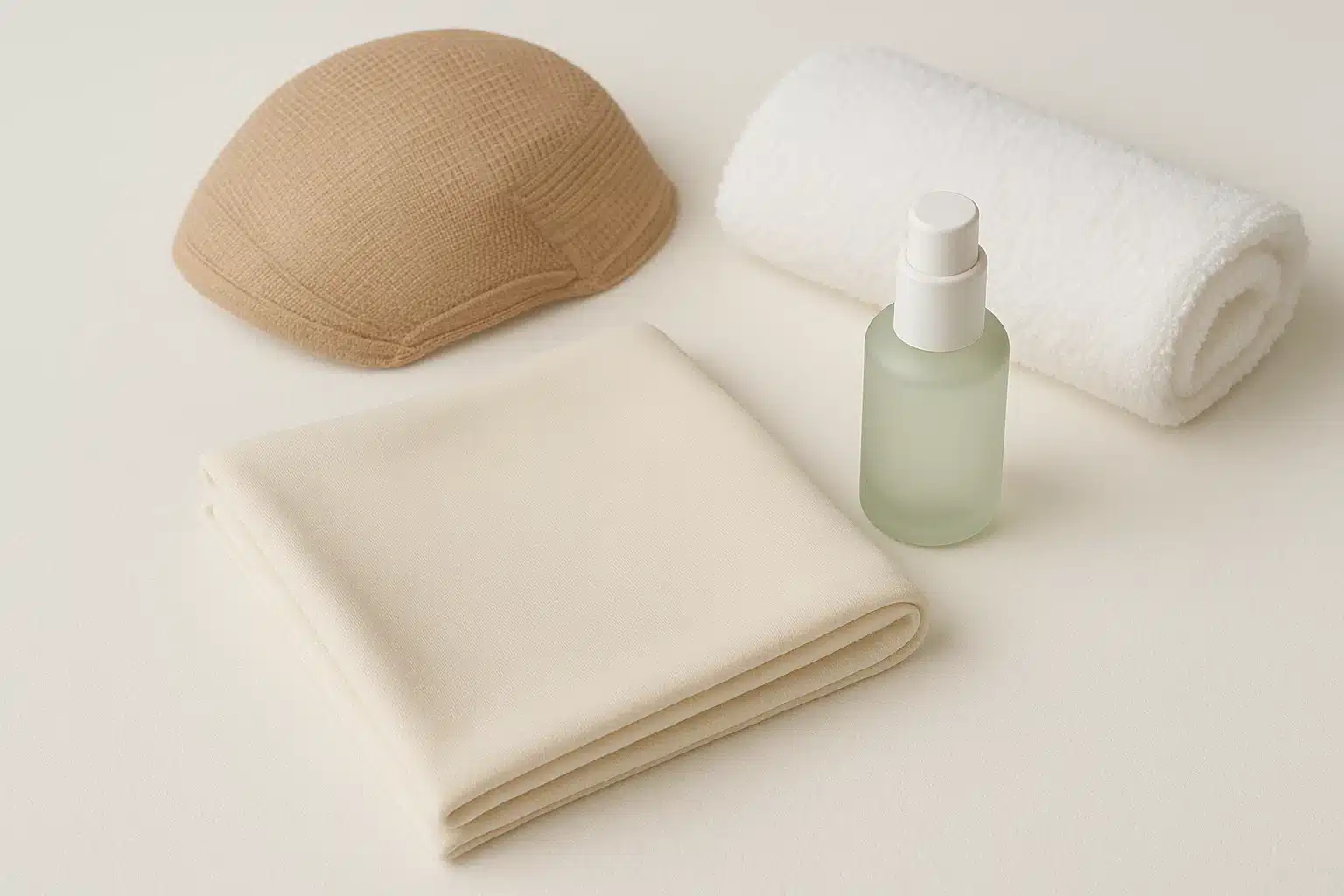
For many, the wig cap liner is the single most critical variable in the comfort equation. It serves as the barrier between the construction of the wig and the sensitivity of your scalp. However, not all liners serve the same purpose. When comparing options, you aren’t just looking for “soft”—you are looking for specific material properties that align with your lifestyle and biological needs.
Bamboo: The Gold Standard for Sensitivity
If you are undergoing chemotherapy or have total hair loss (Alopecia Totalis or Universalis), your scalp lacks the natural protection of biological hair, making it hypersensitive to friction. In these cases, bamboo viscose liners are often the superior choice over standard nylon or cotton.
Research indicates that bamboo fibers are naturally hypoallergenic and possess superior thermal regulating properties. Unlike synthetic materials that might trap heat, bamboo creates a breathable ecosystem that stays cooler in summer and warmer in winter. Its smooth texture minimizes the micro-friction that causes that distractingly itchy sensation.
Silk and Microfiber: Managing Moisture
For those in humid climates or active lifestyles, the accumulation of sweat under a wig is a primary concern. This is where material science becomes a decision-driver.
- Silk Liners: Offer the least friction, preserving the health of any remaining biological hair, but they can sometimes retain heat.
- Microfiber/Wicking Liners: Often marketed as “No Sweat” liners, these are engineered specifically to pull moisture away from the skin. If your primary pain point is perspiration, prioritizing a liner with active moisture-wicking capabilities is essential to prevent the salt in sweat from irritating your skin.
Cap Construction: Engineering Breathability
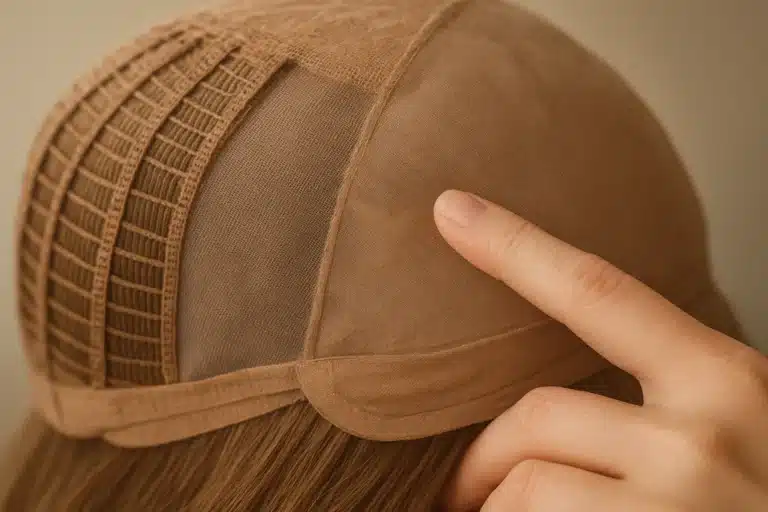
While a liner protects the scalp, the wig cap itself dictates airflow. When you are looking for the best human hair wigs, you are often paying for advanced cap construction that mimics natural hair growth and allows the scalp to breathe.
The Hierarchy of Breathability
- 100% Hand-Tied Caps: These offer the highest level of comfort. Because each hair is tied individually to a soft mesh, the cap moves like a second skin. There are no wefts to press against the scalp, making this the premium choice for sensitive users.
- Monofilament Tops: These provide a balance of realism and airflow at the crown, allowing heat to escape through the mesh top while offering durability.
- Open Wefted (Capless) Wigs: Contrary to what the name suggests, these have a cap structure but with open spaces between wefts. This allows for significant air circulation and is often the coolest option for synthetic styles, though the wefts can sometimes feel rougher against a bare scalp without a liner.
Scalp Health Protocols for Daily Wearers
The skin on your scalp is an extension of the skin on your face, yet it rarely receives the same level of care. When you cover the scalp with a wig, you create a micro-environment that requires specific hygiene protocols to prevent folliculitis (inflammation of hair follicles) and general irritation.
The “Skinification” of Scalp Care
To maintain comfort, your evening routine is just as important as your morning application.
- Cleanse: Use sulfate-free cleansers. Harsh detergents can strip the scalp’s natural lipid barrier, leading to dry, itchy skin which is then exacerbated by wig friction.
- Moisturize: Just as you wouldn’t wash your face without moisturizing, a bare scalp needs hydration. Look for lightweight, non-comedogenic moisturizers that won’t clog pores or leave a residue that could damage the wig cap.
- Massage: Gentle scalp massage promotes blood circulation. This is vital for maintaining the health of the skin and can be particularly soothing after a long day of wear.
If you are navigating how to care for human hair wig products, remember that your scalp care and wig care are interconnected. Oils from a neglected scalp can degrade the hand-tied knots of a luxury wig, causing shedding. Conversely, a dirty wig cap can introduce bacteria to a sensitive scalp.
Managing Heat and Sweat
Heat retention is one of the most common complaints among new wearers. While we cannot change the weather, we can change how your system handles it.
Strategic Adjustments for Temperature Control
- Liner Rotation: If you wear wigs daily, keep multiple liners in rotation. Changing a damp liner for a dry one midday can reset your comfort level immediately.
- Protective Barriers: For those in high-heat areas, utilizing a specialized sweat block headband can prevent perspiration from dripping and compromising the wig’s adhesive bond or grip.
- Style Selection: Shorter styles or lower-density wigs trap significantly less heat. Many clients choose a lighter density piece specifically for summer months to reduce thermal weight.
Troubleshooting Common Irritations
Even with the right equipment, minor irritations can occur. Here is how to diagnose and fix them:
- The Problem: Tension Headaches.
- The Fix: Most wearers secure their wigs too tightly. If you are using an adjustable strap, loosen it by half an inch. Your wig should feel secure, not compressive. Using a velvet wig grip can allow you to wear the wig looser while maintaining security, as the friction of the velvet holds the piece in place without pressure.
- The Problem: Nape Itchiness.
- The Fix: This is often where sweat accumulates. Ensure you are washing the nape of the wig cap regularly, as it collects skin cells and oils.
- The Problem: Insecurity about Fit.
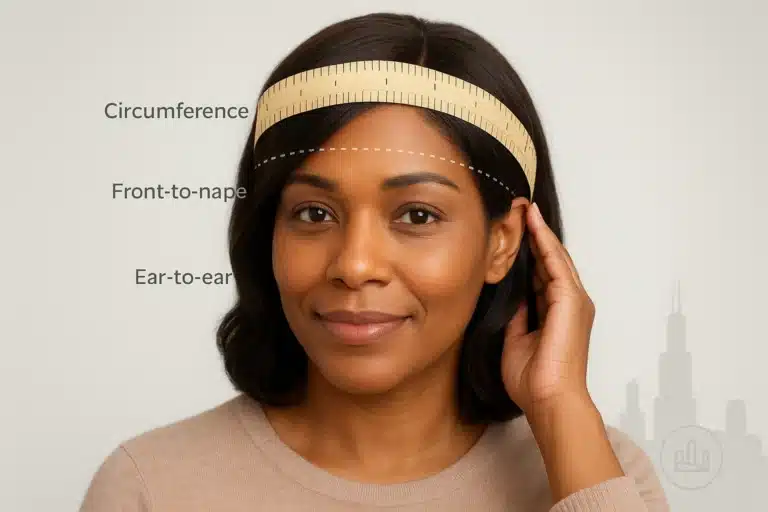
- The Fix: Whether you visit the best wig shop in Los Angeles or consult with online experts, getting a professional assessment of your head measurements is crucial. A wig that is too small will ride up; one that is too large will shift.
Frequently Asked Questions
Do I really need a wig liner if my wig has a soft cap?
While not mandatory, a liner is highly recommended for longevity—both yours and the wig’s. It acts as a hygienic barrier, absorbing oils and sweat that would otherwise soak directly into the wig cap (which is much harder to wash). For those with biological hair, it also prevents friction breakage.
Which material is best for a sweaty scalp?
Bamboo is excellent for thermal regulation, but specialized microfiber or “wicking” liners are superior for active sweating. Avoid standard nylon if you are prone to overheating, as it tends to trap heat against the skin.
Can a wig cause scalp problems?
A wig itself typically does not cause scalp problems, but poor hygiene or improper fit can. Trapped sweat can lead to fungal issues, and a tight fit can cause traction alopecia on remaining hair. Following a strict cleansing routine for both scalp and wig mitigates these risks effectively.
How often should I wash my wig liner?
Ideally, you should use a fresh liner every day, much like socks or undergarments. This prevents the buildup of bacteria that leads to irritation and odors.
The Next Step in Your Comfort Journey
Comfort is personal. What works for a wearer with full biological hair may not work for someone with a sensitive, bare scalp. As you evaluate your options, prioritize materials that solve your specific pain points—be it heat, sensitivity, or security.
If you are ready to find the perfect foundation for your wig, we invite you to explore our curated selection of high-performance liners and care products designed to keep you feeling as beautiful as you look.