You’re holding your favorite wig, and your heart suddenly sinks. Maybe you’ve spotted a visible tear in the delicate lace front, or perhaps the nape has become an unmanageable, tangled nest. For many of us navigating the emotional journey of hair loss, a high-quality wig isn’t just an accessory—it’s an investment, a daily comfort, and a source of confidence. When it gets damaged, the immediate, panic-driven thought is usually: Do I have to throw this away and start all over?
The short answer is a resounding no. Just like a trusted pair of designer shoes can be beautifully resoled, premium hairpieces can be expertly revived. Before you rush to replace your piece, understanding the landscape of the best wig stores in Austin TX can help you realize that professional restoration is often a completely viable, cost-effective option. Central Texas is home to incredible restoration artisans who can breathe new life into a piece you thought was destined for the trash.
Let’s demystify the world of wig restoration, explore the mechanics of how these “hair miracles” happen, and map out exactly where to find elite fixers in the Austin area.
The Lifespan Hook: Why Restoration Beats Constant Replacement
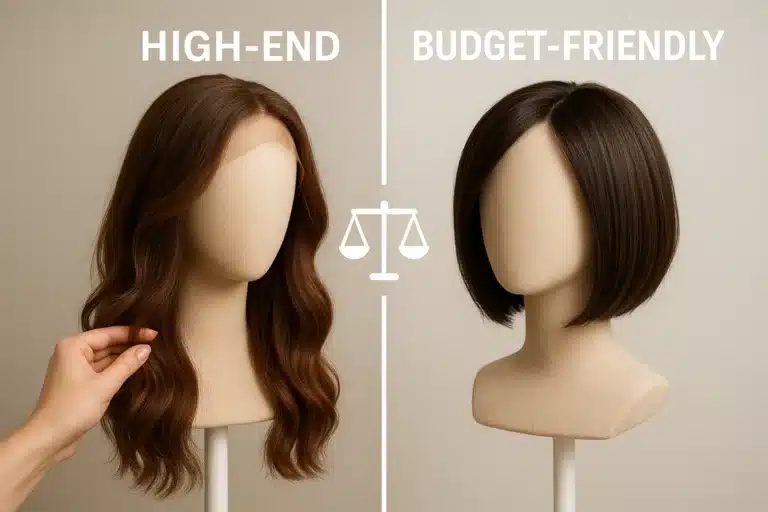
We’ve been conditioned by fast fashion to view our accessories as disposable. But high-quality wigs—whether human hair or premium synthetic—are meticulously crafted garments. Throwing away a beautiful $800 wig because of a $100 tear in the lace is a trap many beginners fall into.
When you learn to view wig ownership through the lens of long-term care rather than short-term consumption, everything changes. Professional restoration not only saves you hundreds of dollars over time, but it also allows you to hold onto a customized piece that already perfectly fits the contours of your head and your personal style.
The Anatomy of Wig Repair: A Beginner’s Dictionary
If you were taking your car to a mechanic, it would help to know the difference between an oil change and a transmission overhaul. The same applies to wig maintenance. Here are the core services that professional Austin wig makers offer to save your favorite hairpieces:
Ventilating (Re-knotting)
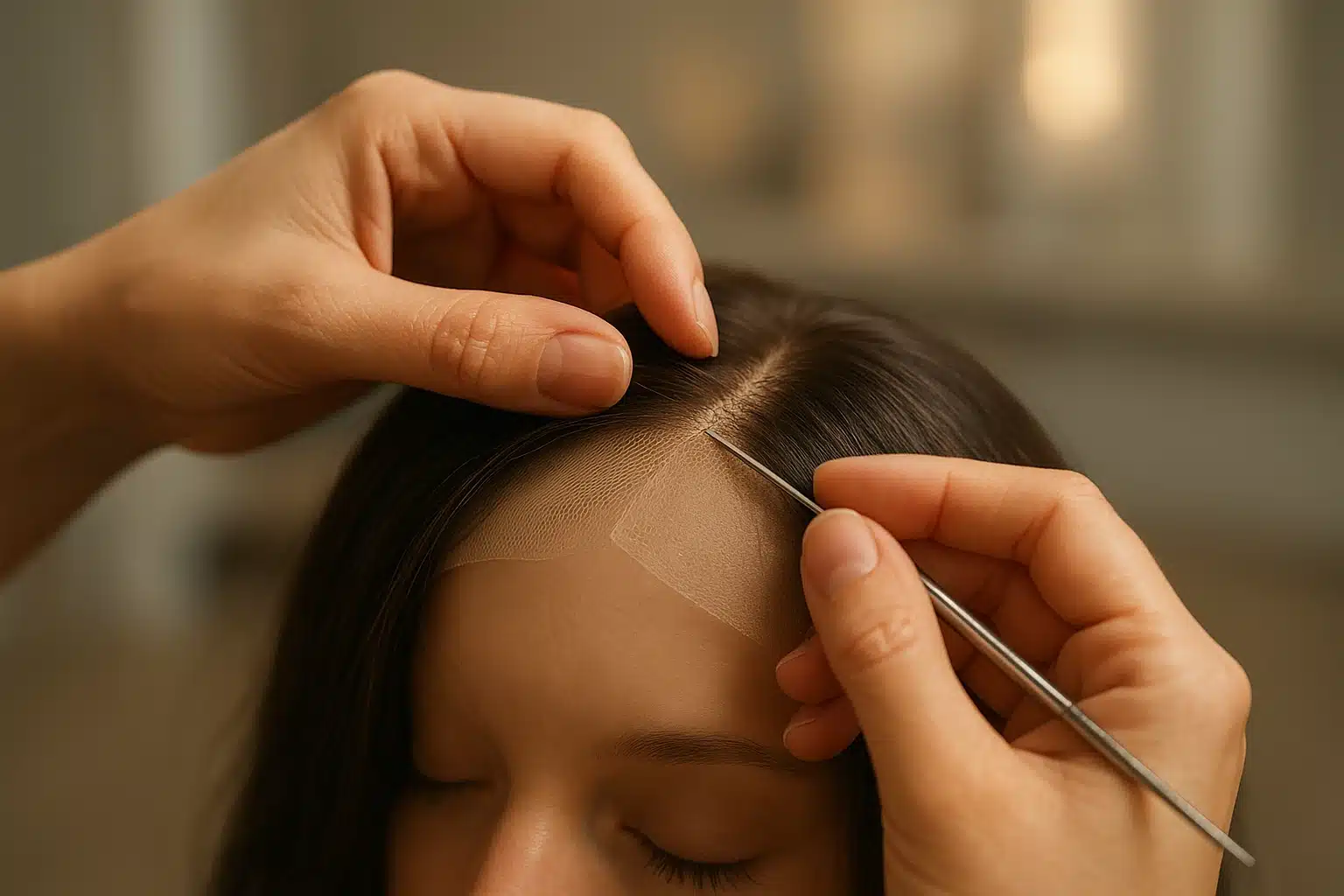
Have you noticed your wig starting to look a little thin at the part or the crown? This is natural shedding. “Ventilating” is the masterful, tedious process where a specialist uses a tiny, needle-like hook to hand-tie individual new hairs back into the lace base. Think of it like planting tiny seeds in a garden to fill in bare patches. It restores the volume and the illusion of natural hair growth from the scalp.
Cap Mending and Lace Repair
The foundation of your wig is delicate. Swiss lace can tear if pulled too hard, and the stretch materials in the back can lose their elasticity. Cap mending involves using specialized invisible threads and strategic patching techniques to seamlessly reconstruct the foundation. Understanding your specific wig cap construction is key to knowing how easily a tear can be mended.
Fiber Steaming and Silicone Coating
One of the biggest misconceptions in the hair community is that synthetic wigs are cheap and disposable once they get “frizzy.” In reality, the friction-induced frizz (especially at the nape of the neck) can often be entirely reversed. Professionals use specialized industrial steamers to heat-treat and straighten the synthetic fibers, followed by silicone coating treatments that restore the soft, natural swing the wig had on day one.
The “Tear Scale”: Diagnosing Your Wig’s Needs
How do you know if your wig needs a little DIY TLC or a trip to a master wig maker? Use this simple diagnostic scale:
- Level 1: Minor Tangles & Dryness (DIY Safe): If your wig just feels a little dry or has light tangling at the ends, gentle detangling sprays, deep conditioning (for human hair), or fabric softener baths (for synthetics) at home are usually sufficient.
- Level 2: Frizz, Matting, & Small Rips (Take it to a Pro): If the nape has turned into a dreaded “bird’s nest” or there is a small tear (under half an inch) in the lace, you need professional steaming or minor mending.
- Level 3: Severe Balding, Large Tears, or Structural Failure (Master Wig Maker Required): If the lace is shredded, the wig is severely shedding, or the cap no longer fits securely, the wig needs structural reconstruction and re-knotting.
Austin’s Elite Fixers: Where to Go for Professional Care
Austin has quietly developed a robust “Wig District,” particularly concentrated in the North Austin area around Anderson Lane and Kramer Lane. While many national companies require you to mail your wig away for weeks, Austin locals have access to incredible in-person specialists.
While every shop has its unique strengths, a few local hubs stand out for their diagnostic and repair capabilities:
- Serenity Wig & Salon: Known for their deep expertise and compassionate care, they are a fantastic resource for expert alterations, especially for medical hair loss patients who need their caps resized for ultimate comfort.
- Refined Hair: A go-to destination when you need intense customization or structural adjustments to breathe life back into an aging piece.
- Abba Wigs: Another North Austin staple that provides excellent consultations for those trying to determine if a piece can be saved.
Pro-Tip: Always call ahead to ask if they have a dedicated ventilation specialist on-site if you are dealing with a balding crown.
The Cost-Benefit Breakdown: The “Worth It” Calculator
Is it really worth paying for a repair? Here is a benchmark of what you should expect to pay for services in Central Texas, helping you make an educated decision:
- Professional Steaming/Defrizzing (Synthetic): $45 – $85
- Basic Lace Repair / Cap Mending: $75 – $150
- Extensive Re-knotting / Ventilation: $150 – $350+
The Calculator: If you own a $150 synthetic wig, paying $150 for a repair might not make sense—it’s time to buy a new one. However, if you own a premium $800 to $1,500 human hair medical wig, investing $200 to mend a lace tear and re-knot the crown essentially gives you a brand-new wig for a fraction of the replacement cost.
Action Plan: Prepping Your Wig for a Pro Consultation
Before you walk into an Austin repair shop, follow these steps to ensure you get the best assessment:
- Do not try to glue or sew a tear yourself. Amateur repairs often cause irreversible damage to delicate monofilament or lace, making the professional’s job harder (and more expensive).
- Wash it gently (if possible). Unless the cap is severely torn, bring your wig in clean.
- Make a list of symptoms. Tell the stylist exactly what bothers you: “It feels too tight on my temples,” “It’s shedding right at the part,” or “The nape tangles after one hour.”
Frequently Asked Questions (FAQ)
Can a torn lace front be repaired?
Yes! Small tears can be mended using invisible thread by a professional, rendering the tear practically invisible against the skin. For larger tears, a specialist can sometimes replace the damaged section of lace entirely and re-ventilate new hair into it.
How to fix a frizzy synthetic wig?
While light frizz can be managed at home with specialized detanglers, severe friction frizz (especially at the collar) requires professional heat-treating. A wig expert will use a professional-grade steamer to reshape the synthetic fibers back to their original smooth texture.
What is wig re-knotting?
Also known as ventilating, re-knotting is the process of adding new hair to a wig base to fix balding or thinning spots. A specialized needle is used to tie single strands of hair directly onto the lace, matching the original density and growth pattern.
Continuing Your Journey
Navigating wig maintenance doesn’t have to be overwhelming. Recognizing that damage isn’t a death sentence for your favorite hairpiece is the first step toward long-term, confident wear. Take the time to evaluate the pieces sitting in the back of your closet—they might just be one professional steam or stitch away from returning to their former glory.