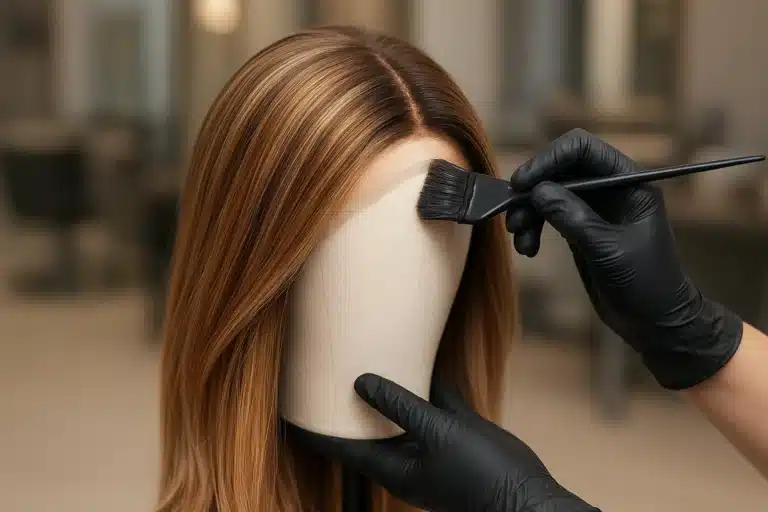
You’re comparing wigs, and on the surface, many look similar. You see beautiful styles, attractive colors, and promising descriptions. Yet, you know there’s a difference—a significant one—between a wig that looks good in a photo and one that feels comfortable, looks undetectable, and lasts for years. So, what’s the secret?
The answer isn’t just about the hair itself. It’s in the meticulous science, artistry, and obsessive quality control that happens long before a wig ever reaches you. Understanding this process is the key to choosing a wig with confidence, knowing you’re investing in a piece that will truly make you feel like yourself.
This guide pulls back the curtain on the world of premium wig manufacturing. We’ll explore the materials science, construction techniques, and rigorous testing that brands like Jon Renau, Ellen Wille, and Follea use to create products that set the industry standard.
The Foundation of Quality: It All Starts with the Right Materials
The final quality of a wig is determined from the very first step: sourcing the hair. Top-tier brands are uncompromising when it comes to the fibers they use, whether human or synthetic.
The Human Hair Hierarchy: Not All Hair Is Created Equal
When it comes to human hair, the terms “Remy” and “virgin” are more than just marketing buzzwords—they represent a critical quality standard.
Remy Hair: This is human hair collected with the cuticle—the hair’s outer protective layer—still intact and aligned in the same direction. Think of shingles on a roof; when they all face the same way, everything is smooth. According to research from hair quality experts, keeping the cuticles aligned is the single most important factor in preventing tangling and ensuring the hair remains soft and manageable. [Gyanti Hair, Lusta Hair]
Virgin Hair: This is Remy hair that has never been chemically processed, meaning it hasn’t been dyed, permed, or bleached. This is the purest form of hair available and offers the most natural look and longevity.
The market is unfortunately filled with products falsely labeled as 100% human hair. Scientific analysis methods can now distinguish between authentic human hair, synthetic fibers, and mixed-hair products with 100% accuracy, but as a consumer, your best defense is purchasing from brands with a proven commitment to transparent sourcing. [Sage Journals]
If you’re weighing your options, understanding the nuances between fiber types is the perfect place to start. Our complete breakdown can help you decide between the two in our Human Hair vs. Synthetic Wigs: The Definitive Guide.
Advanced Synthetic Fibers
Leading brands have also revolutionized synthetic fibers. Forget the overly shiny, stiff wigs of the past. Today’s premium synthetics are lighter, hold their style perfectly, and often mimic the texture and movement of human hair with stunning accuracy. Heat-friendly synthetic fibers even offer the versatility to use low-heat styling tools, giving you the best of both worlds.
The Art of Construction: How a Wig Is Built
Once the materials are selected, the complex process of construction begins. This is where craftsmanship truly shines, and a wig’s comfort, durability, and natural appearance are born. A premium, fully hand-tied wig can take anywhere from 40 to 100 hours of meticulous labor to create. [ATM Wigs]
Cap Construction: The Secret to Comfort and Realism
The cap is the wig’s foundation, and its design directly impacts how it feels and looks.
Hand-Tied Caps: In this premier construction method, each individual hair is tied by hand to a soft mesh material. This painstaking process allows the hair to move freely in any direction, creating the most natural movement possible. It’s the gold standard for a reason.
Monofilament Features: Often found in the crown or part line, a monofilament top uses a sheer polyester or nylon mesh. Hairs are individually knotted onto this material, creating the illusion that the hair is growing directly from your own scalp. It’s this feature that lets you part your hair in different directions without revealing the cap underneath.
Lace Fronts: A lace front consists of a nearly invisible lace panel at the front hairline where hairs are individually tied. This flawlessly mimics a natural hairline, allowing you to style the hair away from your face with complete confidence.
While machine-wefted wigs have their place, the most realistic and comfortable wigs on the market almost always incorporate one or more of these hand-crafted features.
The Commitment to Excellence: Unseen but Essential Quality Control
A beautiful design is meaningless without the quality control to back it up. The best brands don’t just hope for quality; they engineer it through a multi-stage inspection process.
While international standards like ISO 11610:2014 exist for wig manufacturing, leading brands often implement their own, even more stringent in-house protocols. [NBNQC]
This process includes checkpoints for:
- Hair Quality Verification: Ensuring the hair is authentic, correctly sourced, and meets Remy standards.
- Knotting Security: Checking each hand-tied knot to prevent shedding.
- Density and Distribution: Making sure the hair density is consistent and looks natural, not too thick or too thin.
- Color Consistency: Verifying that the final color matches the master swatch perfectly, from root to tip.
- Cap Fit and Finish: Inspecting the cap for comfort, durability, and precise measurements.
This relentless attention to detail is why brands like Jon Renau and Ellen Wille have built reputations for reliability. [Wigs.com, Wigs.co.za] They understand that consistency is trust. When you know what to look for, you can make a more informed decision, which is especially important if you’re trying to figure out how to choose a wig for the first time.
What This Means for You
When you invest in a premium wig, you’re not just paying for hair. You’re paying for:
- The science of developing realistic, durable fibers.
- The art of hand-craftsmanship that ensures a natural look and feel.
- The confidence that comes from rigorous, multi-step quality control.
This commitment to excellence is what transforms a simple hairpiece into a trusted part of your daily life—one that brings you comfort, style, and peace of mind.
Ready to see the difference for yourself? When you’re ready, you can explore our collection of premium wig brands that we’ve carefully selected for their commitment to quality and craftsmanship.
Frequently Asked Questions
Why do premium wigs cost more?
The price reflects the higher quality materials (like 100% Remy human hair), the intensive labor involved (up to 100 hours for a hand-tied wig), and the rigorous multi-stage quality control process that ensures longevity, comfort, and a natural appearance.
How can I spot a low-quality wig?
Common signs include an overly shiny or plastic-like appearance in synthetic fibers, a thick or unnatural-looking hairline, stiff hair that doesn’t move naturally, and excessive shedding right out of the box. The cap may also feel scratchy or uncomfortable.
Does “hand-tied” always mean better quality?
Generally, yes. A 100% hand-tied wig offers the most natural movement and styling versatility. However, high-quality wigs can also feature a combination of hand-tied sections (like the crown or front) and machine-wefted back sections to offer a balance of quality and affordability. The key is craftsmanship in whichever method is used.
What does “Remy” hair really mean and why is it so important?
Remy means the hair cuticles are all aligned in the same direction, just as they would be on your natural hair. This is the most crucial factor in preventing tangles, matting, and frizz, which keeps the wig smooth and manageable throughout its lifespan. Non-Remy hair has misaligned cuticles that rub against each other, causing friction and tangling.