Have you ever tried on a wig and instantly felt like you were wearing a thick wool beanie in the middle of a hot summer day? That stifling, heavy sensation is an unfortunate rite of passage for many first-time wearers, but it absolutely doesn’t have to be your permanent reality. The secret to a wig that feels as natural as it looks doesn’t lie entirely in the hair itself, but in the intricate, hidden architecture underneath: the wig cap construction.
Whether you are seeking a cranial prosthesis for medical hair loss or simply looking to elevate your everyday style, understanding what goes into a high-quality wig cap is your breakthrough moment. Finding the right construction is a deeply personal journey, and when you set out to find the best wig store in Philadelphia, having this foundational knowledge transforms you from a cautious browser into a confident, educated buyer.
The Breakthrough Moment: Why Your Wig Feels Heavy
Many beginners enter a local wig boutique focusing solely on color and length, completely unaware of the engineering happening beneath the strands. If your first “department store” wig felt heavy, hot, or unnatural, it was likely due to a basic, machine-wefted cap.
The true “aha” moment for most wig wearers happens the second they hold a premium, specialized wig cap. For example, a 100% hand-tied wig weighs approximately 25% to 40% less than a standard basic cap. That weight reduction is the difference between counting down the minutes until you can take your wig off, and forgetting you’re wearing one at all.
Foundational Masterclass: Decoding Wig Cap Types
Stepping into a Philadelphia boutique can feel overwhelming when faced with industry jargon. Let’s demystify the core constructions you’ll encounter:
Lace Front: The Hairline Secret
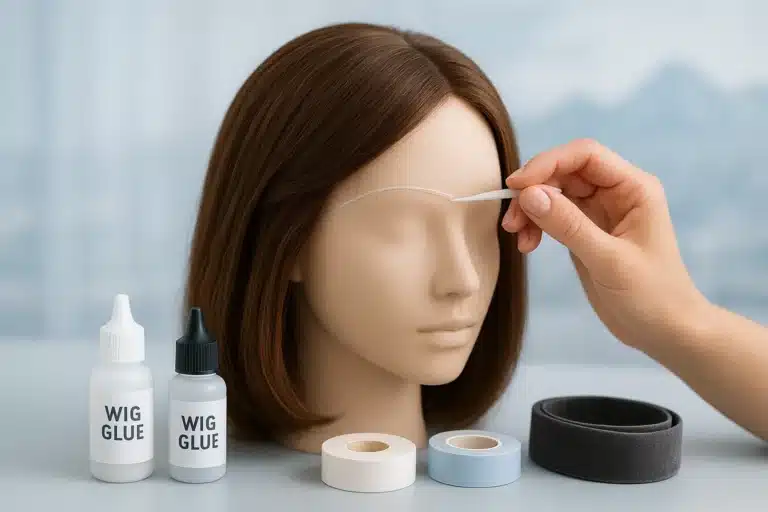
A common misconception is that a “lace wig” means the entire cap is lace. In reality, a lace front wig features a sheer, virtually invisible piece of lace precisely at the front edge. The hairs are individually tied to this lace, creating the illusion of a natural hairline. If you love pulling your hair away from your face or wearing sleek updos, this construction is your best friend.
Monofilament: The Scalp Illusion
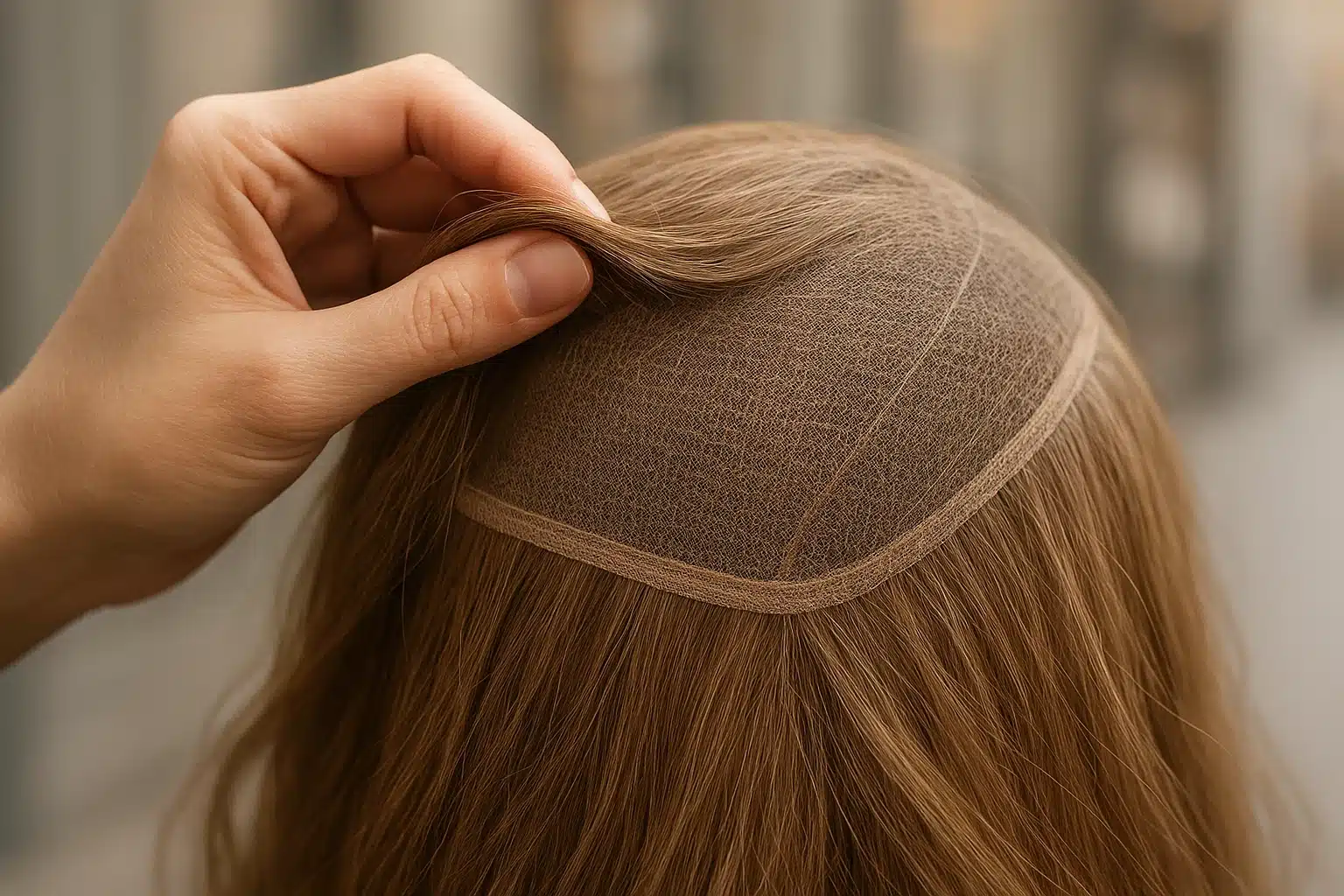
While a lace front mimics the hairline, a monofilament cap mimics the scalp. A monofilament top uses a fine, breathable mesh where hairs are individually knotted. When you part the hair, the material blends against your skin, making it look as though the hair is growing directly out of your head. For those exploring medical wigs due to chemotherapy or alopecia, a “double monofilament” cap adds an extra layer of soft glass-silk, providing superior protection against scalp irritation.
Hand-Tied: The Gold Standard for Comfort
In a fully hand-tied cap, every single hair is painstakingly knotted by hand onto a soft, flexible spandex or mesh base. Because there are no rigid cotton wefts, the cap stretches in all four directions, molding perfectly to the unique shape of your head. It offers the most natural movement and the highest level of breathable comfort available.
The Philly Environment Test: Climate-Matching Your Cap
Knowledge of wig construction isn’t just about aesthetics; it’s about survival in the Delaware Valley climate. A local Philadelphia lifestyle demands a wig that can handle distinct seasonal extremes.
The Summer Breeze
July humidity in Philly is notoriously unforgiving. If you are navigating the city during the summer months, an “Open Wefted” or fully “Hand-Tied” cap is a must-have. Open wefted caps feature built-in ventilation spaces between the tracks of hair, allowing the summer breeze to cool your scalp. Hand-tied caps, with their lightweight mesh, prevent the excessive sweating that leads to friction and discomfort.
The Winter Static
Conversely, dry Pennsylvania winters bring their own challenges. The lack of moisture in the air often leads to scalp itchiness and static electricity. During these cold months, relying on a double monofilament or a soft hand-tied cap acts as a soothing, friction-free barrier against a dry, sensitive scalp.
The Boutique Experience: Where to Find Specialized Fittings
Philadelphia is home to an incredible array of wig boutiques, but not all cater to specialized cap constructions. Understanding your specific needs will help you navigate the local market:
- For Medical-Grade Comfort: Boutiques like Hairs 2 U specialize in compassionate care for hair loss, carrying extensive selections of double monofilament and hand-tied caps designed specifically for sensitive scalps.
- For High-Fashion Illusion: If you are seeking flawlessly undetectable lace fronts, exploring local shops known for their cutting-edge inventory (such as Hesaias Wigs or Silk Opulence) will yield the best results.
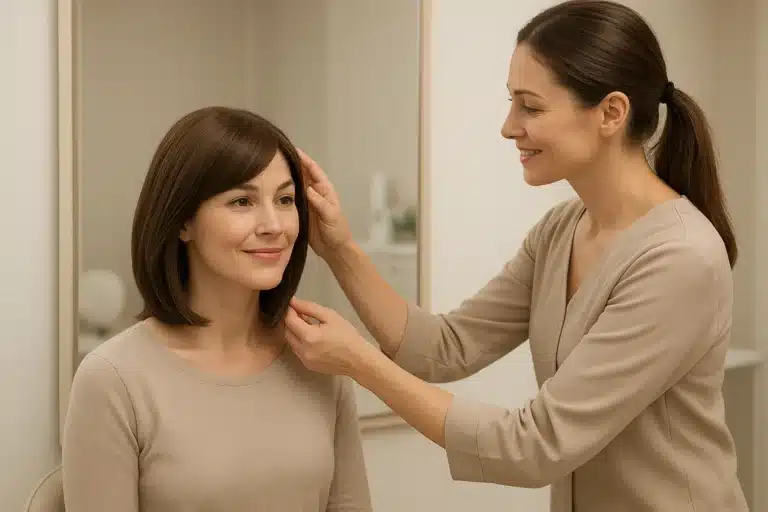
Remember, buying the wig is only half the journey. The true value of a local Philadelphia retailer lies in the wig fitting. A professional stylist can custom-trim a lace front to perfectly match your natural hairline contour, or adjust the tension of a hand-tied cap to ensure it stays secure without causing headaches.
The “Pinch Test” and Your Action Plan
When you’re ready to visit a local retailer, use this simple 3-step checklist:
- Perform the Pinch Test: When you pick up a wig in-store, gently pinch the cap material between your thumb and forefinger. Does it feel stiff and scratchy, or soft and pliable? If it’s rigid, it’s likely a basic machine-made cap.
- Define Your Primary Need: Are you dealing with absolute hair loss and extreme scalp sensitivity? Prioritize double monofilament and hand-tied bases. Do you just want to switch up your look for a night out? A standard lace front with an open-wefted back will serve you beautifully.
- Inspect the Part: Always part the hair of a wig on display. If you can see thick fabric or bunched knots, it lacks a monofilament feature. If it looks exactly like a human scalp, you’ve found a high-quality piece.
Frequently Asked Questions About Wig Cap Construction
What is the most natural-looking wig cap?
The most natural-looking overall construction is a combination of a Lace Front (for a seamless, undetectable hairline) and a Monofilament Top (for a realistic scalp appearance when parted).
Which wig cap is coolest for the summer?
For peak summer heat, fully hand-tied caps and basic open-wefted caps provide the most ventilation. Hand-tied caps are incredibly lightweight, while open wefts allow air to circulate directly against your scalp.
Is a hand-tied wig really worth the extra cost?
Yes, particularly if you wear your wig daily or have a sensitive scalp. The labor-intensive process of individually tying hundreds of thousands of hairs makes them more expensive, but the payoff is a 25-40% reduction in weight, four-way stretch comfort, and unmatched natural movement.
What’s the difference between a lace front and a monofilament top?
A lace front strictly addresses the front hairline, giving you the ability to style hair off your face naturally. A monofilament top addresses the crown and parting area, giving the illusion of a natural scalp anywhere you decide to part the hair.
Your Next Steps in the Hair Journey
Understanding wig cap construction is incredibly empowering. It shifts the power from the salesperson back to you, allowing you to advocate for your own comfort, style, and well-being. The next time you find yourself browsing a Philadelphia wig boutique, you won’t just be looking at the color or the cut—you’ll be looking at the craftsmanship.
Take the time to explore different constructions, feel the materials against your skin, and prioritize your personal comfort above all else. With nearly two decades of industry advancements at your disposal, achieving a beautiful, natural, and supremely comfortable look is entirely within your reach.