There is a specific sinking feeling that every long-time wig wearer knows. You are brushing out your favorite piece, or perhaps adjusting it for the day, when you spot it—a thinning patch at the part line, a loose weft at the nape, or worse, a small tear in the delicate lace front. The immediate panic isn’t just about vanity; it is about the investment you have made in your confidence.
Many wearers assume that once damage occurs, the wig is destined for the trash bin. However, high-quality wigs are much like high-quality cars; they are designed with maintenance in mind. Understanding the economics of repair is vital. In fact, calculating these potential maintenance expenses is a crucial component of understanding the long-term financial commitment of wearing hair. Before you replace a beloved piece, let’s explore the real costs of restoration and help you decide if your wig is a candidate for a second life.
The Anatomy of Damage: Where Costs Accumulate
To understand repair costs, you first have to understand the architecture of your wig. Not all damage is created equal because not all parts of the cap endure the same stress.
Professional repair specialists often divide the wig cap into “Active Zones” and “Dead Zones.”
- Active Zones (High Cost/High Frequency): These are areas that move and stretch constantly, such as the ear tabs, the nape, and the elastic adjusters. Damage here is common but often easier to reinforce structurally.
- Dead Zones (High Skill/Precision Cost): Areas like the monofilament top or the lace front are static but highly visible. A tear here requires “invisible” mending, which demands a higher level of artistry and time, driving up the cost.
The Repair Price Menu: What to Expect
While prices vary depending on the specialist and the severity of the damage, the industry has general standard ranges. Transparency is rare in this niche, with many services hiding behind “call for a quote” buttons. Below is a breakdown of what you can expect to budget for common issues.
1. Re-knotting and Ventilation ($50 – $150+)
Over time, all wigs shed. When you see a bald patch on your wig, it means the hair has slipped from the knot or broken off at the base.
- The Process: A specialist uses a tiny ventilating needle to hand-tie individual strands of hair back into the cap material.
- The Cost Factor: You are paying for labor. Adding density to a small part line might cost $50–$75, while restoring density to a full crown can easily exceed $150. The price is often calculated by the size of the area (e.g., per square inch).
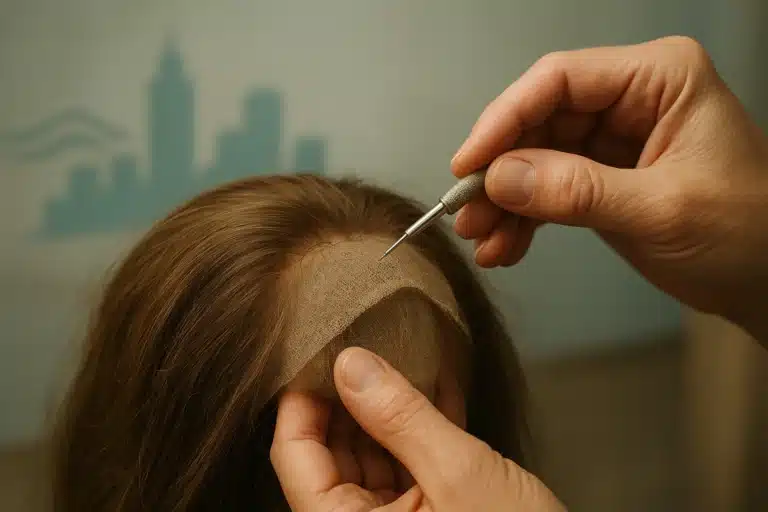
2. Lace Surgery and Tear Mending ($40 – $120)
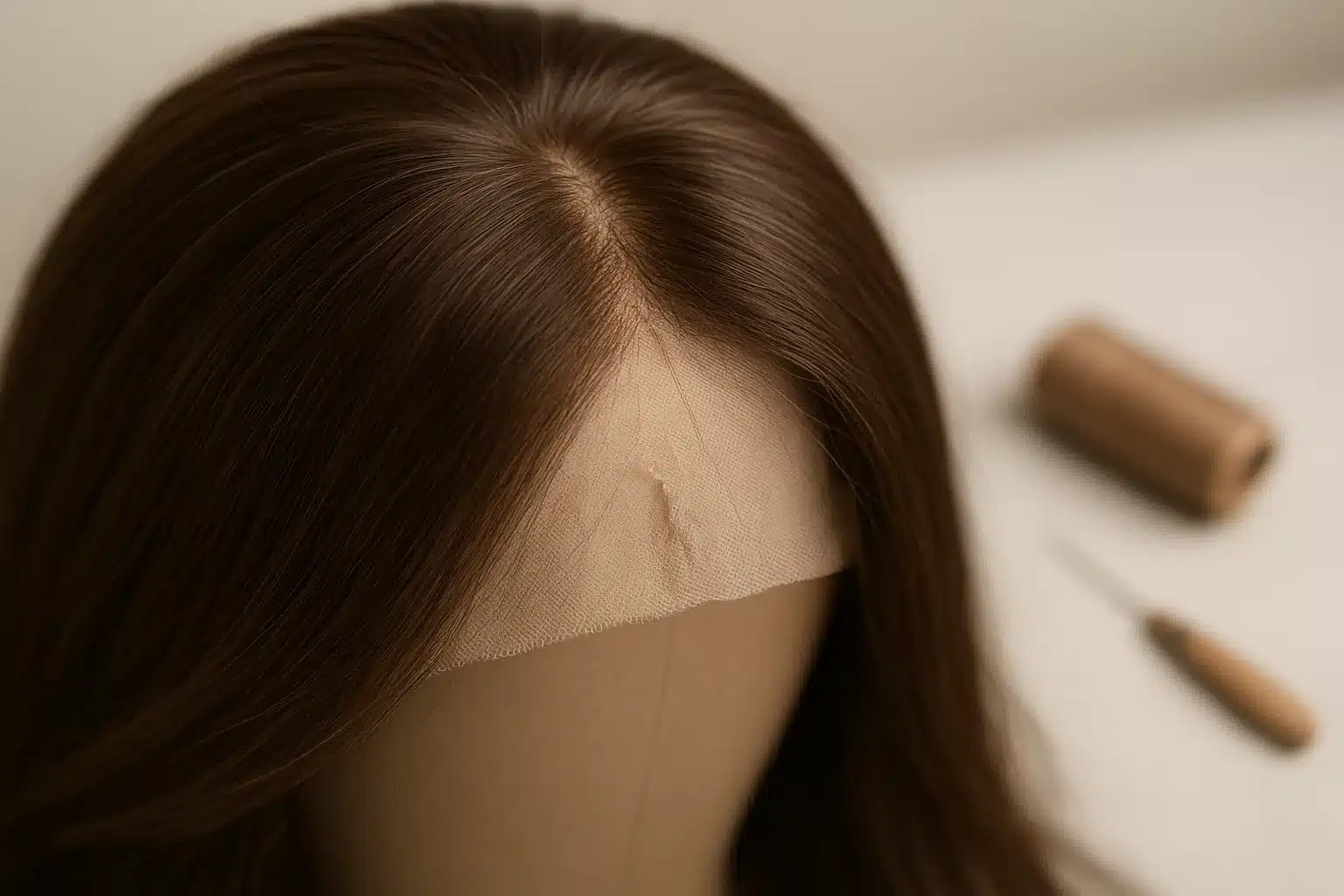
The lace front is the most fragile component of your wig. A jagged tear can ruin the illusion of a natural hairline.
- The Process: This isn’t just sewing; it is reconstruction. Specialists use fine, transparent thread to bridge the gap, often reinforcing the area with a fresh layer of lace underneath.
- The Cost Factor: A clean, straight tear is cheaper to fix (approx. $40–$60). A frayed, jagged tear in a highly visible area requires complex reconstruction, pushing costs toward $100–$120.
3. Structural Reinforcement: Wefts and Clips ($25 – $60)
Loose wefts or broken clips are the “flat tires” of the wig world—annoying, but an easy fix.
- The Process: Resewing loose tracks or replacing rusted/bent clips.
- The Cost Factor: This is generally the most affordable repair category. Replacing a set of clips typically costs $25–$35, while re-securing multiple loose wefts usually falls in the $40–$60 range.
Cap-Specific Nuances: Dome, M-Cap, and Drawstring
The type of wig cap you own significantly dictates the repair strategy and price.
The Dome Wig Cap
Traditional dome wig caps rely on a firmer structure to maintain their shape. Because the materials are more rigid, they are prone to cracking or warping if handled roughly. Repairing a dome cap often involves heat-molding or adding rigid structural supports, which is a specialized service not all general repair shops offer.
The M-Cap and Comfort Designs
The M-Cap and similar modern comfort caps utilize specialized, soft-touch materials designed for sensitive scalps. These materials are difficult to source for DIYers. If an M-Cap tears, you must use specific medical-grade threads and patches to ensure the repair doesn’t become a source of irritation. You are paying a premium for these hypoallergenic materials.
The Drawstring Wig Cap
Popular in pony pieces and half-wigs, the drawstring wig cap has a single point of failure: the elastic mechanism. When this snaps or loses elasticity, the piece becomes unwearable. The repair is straightforward—threading new heavy-duty elastic through the casing—but requires patience. Professional replacement usually costs between $30 and $50, extending the life of the piece significantly.
The “50% Rule”: When to Repair vs. Replace
The most important lesson in wig ownership is knowing when to stop spending. Just because a wig can be fixed doesn’t mean it should be.
We recommend using the 50% Rule as your financial threshold:If the cost of the repair exceeds 50% of the wig’s current value (or the cost of a replacement), it is generally better to buy new.
- Scenario A (Synthetic): You have a synthetic wig that cost $150 new. It has a tear in the lace. The repair quote is $80.
- Verdict: Replace. The fiber lifespan of synthetic hair is limited. Spending $80 on a wig that may only last another 2 months is not a sound investment.
- Scenario B (Human Hair): You have a premium human hair wig that cost $1,200. It has lost density in the crown. The re-knotting quote is $200.
- Verdict: Repair. You are spending roughly 16% of the replacement cost to extend the wig’s life by potentially a year or more. This is excellent ROI (Return on Investment).
DIY vs. Professional: A Safety Warning
In an era of YouTube tutorials, it is tempting to try and fix everything yourself. However, distinguish between “soft repairs” and “hard repairs.”
- Safe DIY Projects: Sew in a loose comb, tighten a clip, or trim a frayed nape with thinning shears. These have low consequences if you make a mistake.
- Professional-Only Projects: Lace tears and large-scale ventilation. Using the wrong thread on lace can cause the material to shred, turning a $50 repair into a total loss. Ventilating requires understanding knot direction; doing it wrong can make the hair stick straight up or lay unnaturally flat.
Frequently Asked Questions
Can you repair a wig that has been heat damaged?
Generally, no. If synthetic fiber has been “fried” by heat, the structure of the plastic is permanently altered. While steaming can smooth minor friction frizz, severe heat damage usually requires replacement. For human hair, deep conditioning can help, but burnt hair must be trimmed off.
How long does professional wig repair take?
Turnaround times vary, but because techniques like ventilation are done knot-by-knot, patience is required. Expect a timeline of 2 to 6 weeks depending on the complexity of the work and the shop’s queue.
Does repairing a wig shrink the cap size?
It can. If a repair shop has to pull fabric together to close a large tear, the circumference of the cap may decrease slightly. Always ask the specialist if the repair will alter the fit, especially if your wig is already snug.
Is it worth repairing a synthetic wig?
Rarely, unless the repair is a simple DIY fix like a loose clip. The lower replacement cost of synthetic wigs usually makes professional repair financially illogical. Reserve your repair budget for your human hair investments.
Moving Forward with Confidence
Understanding repair costs transforms you from a passive consumer into an educated owner. By recognizing the difference between a minor $40 fix and a catastrophic structural failure, you can budget effectively and ensure your hair always looks its best.
Remember, a wig is not just a product; it is a companion in your daily life. Treating it with care, and knowing how to handle the inevitable wear and tear, ensures that your investment continues to pay dividends in confidence and style for years to come.