Imagine pulling your favorite wig out of its box for a special event, only to find the delicate lace frayed and the nape tangled into an unmanageable bird’s nest. Dealing with hair loss is already an emotional journey, and finding a hairpiece that makes you feel beautiful and confident is a major milestone. But what happens when that investment starts showing signs of wear and tear? Whether you’re navigating the sticky humidity of a Philly summer or the biting dry cold of winter, your wig is constantly battling the elements.
Knowing when to attempt a DIY fix and when to seek out a professional is crucial to protecting your investment. Before you even think about structural repairs, you need a trusted local foundation. If you are starting from scratch or looking for reputable professionals, learning how to evaluate the best wig store in Philadelphia is your essential first step. This foundational knowledge ensures you’re working with experts who understand both retail excellence and the intricacies of long-term care, helping you differentiate between a simple maintenance wash and a complex structural repair.
The Triage Checklist: Can This Damaged Wig Be Saved?
When your hairpiece loses its luster, the first question is always: Should I fix it or replace it? No one provides a manual for wig triage, but understanding your options can save you hundreds of dollars.
Here are five signs your damaged wig is salvageable:
- The hair is dull but intact: This usually just requires a deep reconditioning treatment.
- The lace is slightly stretched, but not torn: A professional wig fitting and minor adjustments can correct this.
- The nape is matted: Very common, especially in synthetics, and easily fixed with professional steaming.
- Small bald patches are appearing: A professional can often add hair back into these specific areas.
- The knots are visible but secure: This just requires a cosmetic root touch-up or knot-bleaching session.
To make an informed decision, do a quick cost-benefit analysis. If a high-quality human hair unit cost you $800, a $150 structural repair is a brilliant ROI. However, if a $60 synthetic piece is severely compromised, a $20 trip for wig cleaning services might make sense, but paying for structural lace repair will cost more than buying a new one.
The Anatomy of a Professional Wig Fix
The biggest point of confusion for wig wearers is understanding the difference between a “revamp” and “ventilation.”
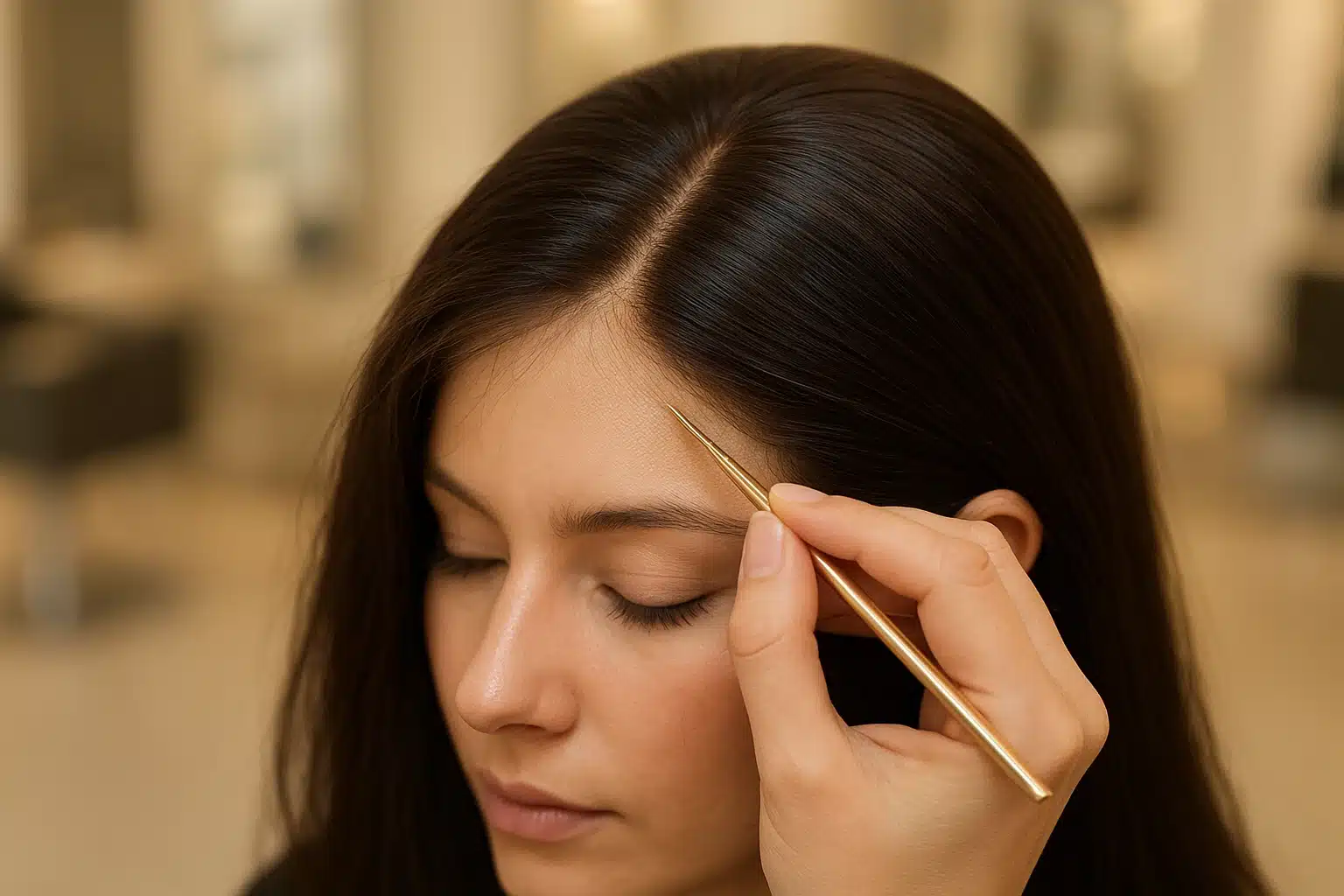
A revamp is aesthetic. It involves washing, deep conditioning, and styling. A ventilation service is structural. When a professional ventilates a wig, they are acting as a surgeon for your hairpiece—painstakingly tying individual strands of hair back into the lace base with a tiny needle.
Local high-end salons, such as the Andre Richard Salon, dominate the market by specializing in these complex lace refills and knot sealing services. This is highly technical work. There is a massive difference between an intentionally distressed, chaotic style—like the avant-garde igorrr damaged wig aesthetic seen in alternative style subcultures—and a unit that is experiencing actual structural failure. If your lace is tearing or balding, you need structural ventilation, not just a wash.
Synthetic vs. Human Hair: The Repair Divide
There is an unfortunate “synthetic stigma” in the wig care world. Many luxury salons focus exclusively on high-ticket human hair reconditioning, leaving synthetic wearers wondering where to turn. But synthetic fibers require specialized care, too.
Attempting to restore damaged hair on a synthetic wig requires entirely different tools than human hair. While human hair needs moisture and protein, synthetic hair needs controlled heat.
- The Nape Frizz Solution: Friction from your collars causes synthetic fibers to crimp and matte. Professionals use commercial-grade clothing steamers to relax these plastic fibers back into their smooth state.
- The Dish Soap Warning: You might have seen the “Dawn Dish Soap” hack on social media. While it can strip heavy oils from a completely synthetic piece, using it on processed human hair is a recipe for disaster, resulting in brittle, irreversibly wig damaged hair.
- Texture Restoration: Whether you need to restore fix damaged curly hair textures or smooth out a straight unit, professionals have specialized silicone-based sealants that recreate the protective coating on synthetic fibers.
The Philadelphia Factor: Climate and Your Hairpiece
If you own a philly wig that battles the city’s elements, you are likely dealing with specific regional challenges. Philadelphia’s notorious high summer humidity causes synthetic fibers to swell and tangle at an accelerated rate, while urban pollutants cling to human hair units, dulling their shine.
Because of this environment, knowing where to find specialized local experts is vital.
- For high-end luxury maintenance and lace refilling, salons like Silk Opulence and Andre Richard Salon are local technical authorities.
- For those wearing a medical cranial prosthesis due to alopecia or chemotherapy, organizations like Hairs 2 U Wig Bank offer incredible community-driven authority, understanding the deep emotional aspect of restoration and care.
When dealing with a unit that has lost its bounce due to city smog, understanding the nuances of professional wig cleaning services is the first step toward a successful wig fix.
Frequently Asked Questions (FAQ)
Can I fix a matted wig at home?
Minor tangling can be handled at home with a wide-tooth comb and a specialized detangling spray, working patiently from the ends up to the roots. However, if a synthetic wig is severely matted at the nape (often called “bird’s nesting”), attempting to yank a brush through it will permanently stretch and snap the fibers. This requires professional steaming.
How much does lace re-ventilation cost?
Prices vary widely based on the size of the repair. A small alopecia patch or a torn lace front might cost anywhere from $75 to $200+ in the Philadelphia area. Always ask for a consultation to see if the repair cost outweighs the price of a replacement.
How do I fix a torn lace front?
A minor tear at the very edge of the lace can sometimes be carefully trimmed away if it doesn’t cut into the hairline. However, a tear extending into the hair-bearing part of the lace requires professional lace patching and re-ventilation to ensure the unit remains undetectable.
Where can I get my wig washed in Philly?
Many specialized salons offer drop-off wig cleaning services. Look for businesses that specifically advertise “wig maintenance” or “alternative hair care,” rather than standard hair salons, as traditional cosmetologists may not be trained in the delicate handling of hand-tied lace units.
Next Steps in Your Wig Care Journey
Your wig is more than just an accessory; it is a vital part of how you present yourself to the world, offering comfort and confidence on your hardest days. By learning to identify the early signs of wear and understanding the difference between a simple wash and a structural repair, you can drastically extend the lifespan of your hairpieces.
We encourage you to create a seasonal maintenance schedule for your pieces to combat the changing Pennsylvania weather. When you’re ready to explore local professionals, remember that asking the right questions about their ventilation techniques, fiber specialties, and cleaning methods will ensure your beautiful hairpiece stays flawless for years to come.