Experiencing hair loss is challenging enough—wearing a wig shouldn’t turn into an exercise in enduring physical distress. If you’ve ever taken off a wig at the end of the day feeling like your scalp is burning, prickling, or relentlessly itchy, you are certainly not alone. For individuals navigating alopecia, chemotherapy, scalp dermatoses, or autoimmune conditions, a bare or tender scalp is a highly sensitive ecosystem that requires specialized, compassionate care.
This discomfort is frequently magnified in the Mid-South, where intense Memphis summer heat and 70% humidity can trap sweat and friction against your delicate skin. Finding the right solution isn’t just about picking a beautiful style; it’s about matching material science to your specific sensitivities. If you’re currently mapping out where to shop, our comprehensive guide to the best wig stores in Memphis offers an excellent starting point. But before you walk through those doors, it helps to have a clinical understanding of why your scalp reacts the way it does, and exactly which hypoallergenic caps and local boutiques are equipped to bring you genuine relief.
The Anatomy of Wig-Induced Scalp Irritation
Before you can find the perfect, comfortable wig, it’s essential to understand exactly what is causing that maddening itch. Scalp irritation usually stems from one of three culprits:
1. Mechanical Irritation (The “Sandpaper Knot” Paradigm)
Many wearers invest in expensive, natural-looking “single monofilament” or lace wigs, only to find them unbearable. Why? Because in these caps, every single hair is individually tied to a mesh base, creating a microscopic knot. When placed directly against a bare, sensitive scalp, these raw knots act like a sheet of fine sandpaper, causing friction rub and micro-trauma with every turn of your head. Furthermore, stiff machine-wefted ridges and tight elastic bands can cause pressure and tension shear.
2. Chemical & Contact Allergies
Have you ever worn a brand-new synthetic wig and felt an immediate, fiery itch? You might assume you’re allergic to synthetic hair, but true synthetic fiber allergies are rare. What you’re likely experiencing is contact dermatitis caused by the alkaline base and flame-retardant coatings applied to Kanekalon or modacrylic fibers during manufacturing. Additionally, traditional wig adhesives (like cyanoacrylate glues) and latex in elastic ribbons can trigger severe skin reactions.
3. The Memphis Environmental Factor
Memphis is infamous for its sultry, humid summers. When you sweat beneath a non-breathable wig cap, that moisture has nowhere to go. The water evaporates, leaving behind sodium chloride (salt) crystals. These microscopic salt crystals become trapped against tender hair follicles, causing severe prickling and even secondary microbial folliculitis.
The Hypoallergenic Cap Architecture Hierarchy
Not all wigs are created equal when it comes to sensitive skin. Here is how cap constructions rank, from potentially harsh to completely healing:
Standard Machine-Made (Open-Cap)
These feature rows of hair (wefts) sewn together by machine. While the spaces between the wefts offer excellent breathability for humid Southern climates, the stiff ridges where the hair is sewn can be rough against a bald scalp. They almost always require a protective liner.
Lace Front & Single Monofilament
These offer a beautifully natural appearance, creating the illusion of hair growing directly from the scalp. However, as mentioned in the “Sandpaper Knot” paradigm, the interior perimeter knots are exposed and can abrade sensitive hairlines without proper mitigation.
Double Monofilament (The Medical Benchmark)
If you have a highly sensitive scalp, this is your “Aha!” moment. A double monofilament cap takes the natural look of a single monofilament and adds a secondary, ultra-soft layer of silk or fine nylon beneath it. This second layer acts as a glass-smooth buffer, completely encasing the scratchy knots away from your sensitized nerve endings.
100% Hand-Tied Medical Caps & Silk-Top Prosthetics
The pinnacle of comfort. These caps feature four-way stretch materials that mold to your head like a soft beanie, completely absent of stiff seams. Premium silk-top cranial prosthetics simulate skin multidirectionally, offering zero knot exposure and unparalleled comfort.
Practical Mitigation: The DIY De-Coating Soak & Glueless Liners
You don’t necessarily have to buy a thousand-dollar medical wig to find relief. Sometimes, the secret lies in how you prep and wear your current wig.
The 15-Minute Apple Cider Vinegar (ACV) Synthetic Detox
If your synthetic wig is driving your scalp crazy due to alkaline manufacturing finishes, try this simple chemical neutralization trick:
- Fill a basin with 4 parts warm (not hot) water and 1 part Apple Cider Vinegar.
- Submerge your new synthetic wig and let it soak for 15 to 20 minutes. (You will likely see a white, cloudy film lift off the hair into the water—this is the chemical coating).
- Rinse the wig thoroughly with cool water.
- Wash gently with a wig-safe shampoo and allow it to air dry.
Glueless Security & Climate-Smart Liners
Standard nylon stocking caps trap sweat, making Memphis humidity feel twice as bad. Instead, switch to a 100% Bamboo-viscose liner. Bamboo is naturally moisture-wicking, anti-bacterial, and incredibly soft.
To secure your wig without harsh, skin-stripping glues or sweaty polyurethane (PU) strips, utilize a medical-grade silicone grip band (like a WiGrip). These bands use gentle friction to hold your unit in place, eliminating tension headaches and adhesive dermatitis entirely.
Sourcing Sensitive Scalp Solutions in Memphis, TN
Navigating local retail options can be overwhelming, especially when you need a quiet, knowledgeable environment. Here is how the Memphis landscape breaks down for sensitive scalps:
Charitable Medical Care
West Cancer Foundation Sweet Wig Beauty Boutique (Ridge Lake Blvd)For oncology patients, this is an invaluable resource. They offer free private fittings, a robust cancer support network, and an empathetic environment designed specifically for medically induced hair loss.
Custom Medical Cranial Prosthetics
Studio2 Hair Additions (Brookfield Rd)If you are dealing with alopecia, trichotillomania, or long-term medical hair loss, Studio2 specializes in custom, private fittings. They understand the biomechanics of medical hair replacement and focus on dermatological safety and non-surgical cranial prosthetics.
Local Retail Adaptation
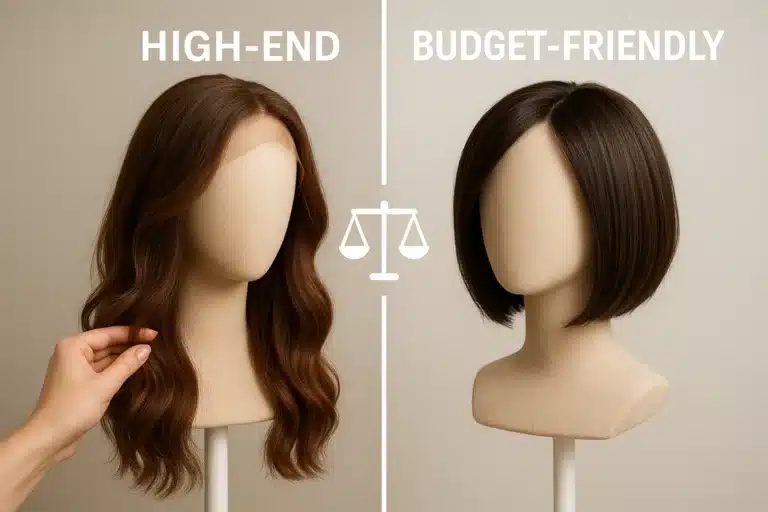
Central Wigs & Beauty Supplies (Knight Arnold Rd & Madison Ave)For budget-friendly, off-the-rack selections, high-volume stores offer incredible variety. The key here is to shop defensively. Use your knowledge to inspect the interior cap linings—look for velvet ear tabs, avoid exposed glue lines, and always buy a bamboo liner to pair with your purchase.
Shelby County Medical Wig Insurance Guide
Did you know your wig might be covered by health insurance? In the medical community, a wig required for medical hair loss is called a Cranial Prosthesis. To seek reimbursement through health insurance or Medicare Advantage in Tennessee:
- Ask your Shelby County dermatologist or oncologist to write a prescription.
- Ensure the prescription specifically uses the term “Cranial Prosthesis” (not “wig”).
- Make sure they include the proper billing code: HCPCS code A9282.
- Request a letter of medical necessity detailing your specific diagnosis (e.g., Alopecia Areata, chemotherapy-induced alopecia).
Your In-Store Tactile Test & Maintenance Routine
When evaluating a wig in a local shop, use this 5-point tactile checklist across your sensitive inner wrist or neck before buying:
- The Knot Check: Rub the top interior of the cap. Can you feel scratchy knots, or is it smooth?
- The Ear Tab Test: Are the ear tabs lined with soft velvet, or stiff, scratchy lace?
- The Stretch Test: Does the elastic stretch easily, or will it cause tension shear on your hairline?
- The Nape Check: Is the adjustable sizing strap rough against the back of the neck?
- The Seam Test: Run your finger along the wefts to check for bulky, rigid seams.
Daily Scalp Soothing Routine
Maintain your scalp’s health by washing your cap every 6–8 wears to prevent sweat-salt crystallization. On your bare scalp, utilize alcohol-free witch hazel, colloidal oatmeal mists, or cooling tea tree hydrosols to calm inflammation after a long day of wear.
Frequently Asked Questions (FAQ)
Why does my wig itch my scalp like crazy?
Itching is usually caused by mechanical friction (raw knots or stiff seams rubbing the skin), trapped sweat and salt crystals, or an allergic reaction to the chemicals coating the wig fibers.
Can you be allergic to a synthetic wig?
While true allergies to synthetic fibers are incredibly rare, many people suffer from contact dermatitis caused by the alkaline and flame-retardant coatings applied to the hair at the factory. An Apple Cider Vinegar soak can usually neutralize this issue.
What is the most comfortable wig cap for a completely bald or tender head?
A Double Monofilament cap or a 100% Hand-Tied cap are the gold standards. Double monofilament uses a secondary layer of soft material to shield your scalp from scratchy hair knots, while hand-tied caps offer gentle, four-way stretch without rigid seams.
How do Memphis heat and humidity interact with wig adhesives?
High heat and humidity cause the scalp to sweat. When sweat mixes with medical adhesives or polyurethane (PU) grip strips, it can trap moisture and salt against the skin, degrading the adhesive bond and causing severe irritation or folliculitis. Glueless silicone bands are highly recommended in the Mid-South.
Finding Your Confidence Again
Navigating hair loss is deeply personal, and finding the right wig shouldn’t add physical pain to your emotional journey. By understanding the science behind cap construction, prioritizing hypoallergenic materials, and knowing exactly where to look in the Memphis area, you can transform your wig-wearing experience from one of endurance to one of effortless comfort.
Remember, you are not just looking for a hairpiece—you are looking for a solution that honors and protects your health. Take your time, ask questions, and prioritize your comfort above all else.