Seattle’s beauty scene is as dynamic as its weather, but for women of color searching for high-quality textured hairpieces, the local market can sometimes feel like a frustrating maze. While the Pacific Northwest offers a wide array of high-end boutiques and general beauty supplies, finding specialized retailers that truly understand African American hair—from perfect 4C coils to flawless Yaki straight textures—requires a bit of insider knowledge.
Whether you’re navigating medical hair loss, looking to protect your natural edges from the damp climate, or simply want to switch up your style with a seamless lace melt, knowing exactly where to shop is half the battle. If you’ve been tirelessly searching for reliable wig shops in Seattle that cater to diverse curl patterns, you’re not alone. The gap between what standard stores offer and what the Black community actually needs has led many shoppers to drive miles out of their way just to find the right match. Let’s bridge that gap and explore how to find, select, and flawlessly install the perfect textured wig in the Emerald City.
The Texture Gap: Understanding Seattle’s Wig Market
If you’ve ever walked into a boutique looking for a kinky-curly unit and walked out empty-handed, you’ve experienced the “texture gap.” The Seattle wig market currently operates in two distinct lanes, both of which often miss the mark for African American consumers.
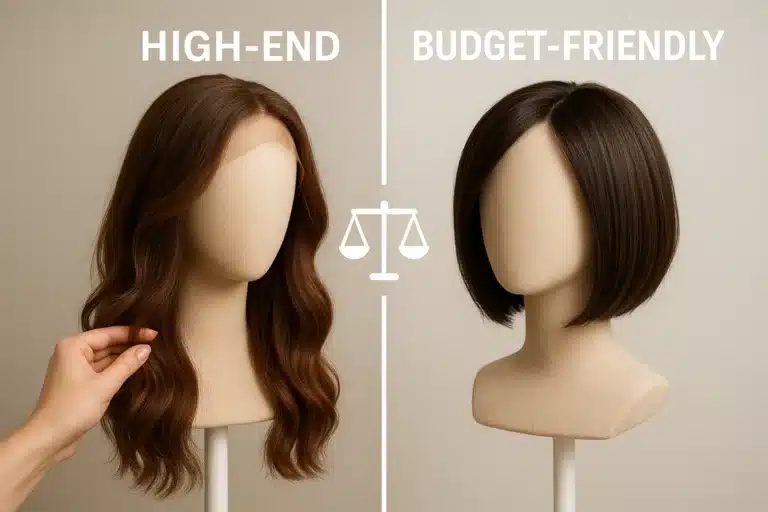
On one end, you have highly respected, clinical boutiques like William Collier Design. These spaces excel in trauma-informed, medical hair loss consultations and high-end European human hair, but they often lack the culturally specific styles, lace front trends, and 3A-4C curl patterns that many Black women are looking for. On the other end, affordable retailers like Fabulous You Wigs offer fantastic, consultation-heavy experiences but focus predominantly on synthetic fibers, deliberately avoiding human hair and the nuanced, kinky-coily textures that require specialized styling.
So, where do you go when you need a wig that actually matches your natural hair?
The “Big Three” Hubs for Textured Hair in the PNW
When standard wig stores don’t carry your texture, the local community relies on a few powerhouse beauty supplies located just outside the Seattle city center. These are the destinations where you’ll find the inventory to match your specific needs:
Queens Hair & Beauty Supply (Renton/Tukwila)
Widely considered the default community favorite, Queens is famous for its massive selection. While walking down their incredibly stocked aisles can be slightly overwhelming for a beginner, the sheer variety of synthetic and human hair options makes it worth the trip. If you are looking for brands that specialize in textured hair, this is your starting point.
Master Hair Care (Federal Way)
Yes, it requires a drive south, but the thriving community discussions online consistently point to Master Hair Care as a required stop. Shoppers are willing to make the commute because the store reliably stocks trending lace-fronts, varied densities, and the specific curl patterns that Seattle-proper shops rarely keep on their shelves.
Unlimited Beauty Supply
Another vital staple for the Black community, this shop offers a solid inventory of braiding hair, extensions, and textured wigs. It provides a more localized option for those who want a reliable, culturally competent beauty supply experience.
A Beginner’s Guide to Selecting the Right Wig
Finding the store is only step one; knowing what to look for is step two. When browsing for textured wigs, keep these essential educational concepts in mind:
Decoding Wig Density
Wig density refers to how thick the hair is. Many beginners are confused by the percentages on the packaging.
- 130% – 150% Density: This mimics the natural thickness of human hair. If you want a realistic, everyday 3C curly wig that doesn’t look overly bulky, this is your sweet spot.
- 180% – 200% Density: This offers maximum volume and glamour. It’s incredibly popular for long, luxurious body wave or deep wave styles, but be prepared for extra maintenance to keep it tangle-free.
The Four-Finger Rule
A common challenge for beginners is knowing where a wig should sit on their forehead. Enter the “Four-Finger Rule.” Place four fingers horizontally flat against your forehead, with your pinky resting just above your eyebrows. Your index finger marks where your natural hairline should ideally begin. When trying on wigs locally, use this trick to ensure the cap sits naturally without looking pulled down or pushed too far back.
Solving the “Install Gap”: Bridging Retail and Salons
One of the most significant frustrations in the Seattle market is the disconnect between buying and styling. Beauty supply stores sell the wigs but don’t install them; local salons will expertly install wigs, but rarely sell them.
This “install gap” means you need a two-step game plan. Once you purchase your perfect Yaki straight or coily unit from a place like Queens, you’ll need to book an appointment with a specialized local stylist. Look for salons that explicitly offer “lace melting,” “custom customization,” and “wig installations.” Establishments like Mr. Naturalz and other specialized textured hair salons are essential partners in your wig journey. They can bleach the knots, pluck the hairline, and braid down your natural hair safely, transforming a store-bought wig into a custom, seamless look.
The Rain-Proof Wig Guide: Protecting Your Texture
Seattle’s endless mist and humidity create a unique challenge for wig wearers. Here is how to navigate the PNW climate:
Human Hair vs. Synthetic in the Mist
Human hair wigs, particularly those with a kinky-straight or pressed texture, will react to Seattle’s humidity exactly like natural hair—they will revert and frizz. If you invest in a human hair wig, you must use high-quality anti-humidity sprays. Conversely, a premium synthetic wig will hold its curl pattern perfectly through a drizzle, making synthetic options highly practical for everyday Seattle winters.
Protecting Your Edges
The damp chill of the PNW can make hair brittle. Always wear a silk or satin wig grip or cap underneath your unit. This creates a barrier of friction protection, ensuring that the tension of the wig cap doesn’t wear away at your delicate edge hairs.
Frequently Asked Questions (FAQ)
What is the difference between Kinky-Straight and Yaki hair?
While both mimic blown-out African American hair, “Yaki” typically resembles hair that has been chemically relaxed—it is straight but has a micro-crimp texture for thickness. “Kinky-straight” mimics natural, unrelaxed hair that has been blow-dried straight, retaining a bit more volume and a coarser texture.
How do I protect my edges while wearing a wig in Seattle’s humidity?
Moisture is key. Apply a lightweight edge cream or oil to your hairline, allow it to dry, and always use a velvet wig grip. Avoid using harsh edge-control gels containing high amounts of alcohol, as the cold, damp Seattle air combined with alcohol will severely dry out your natural hair.
Should I choose human hair or synthetic for a beginner?
If you are looking for a “wear-and-go” solution that holds up against Seattle rain, a high-quality synthetic wig is a fantastic, low-maintenance beginner option. If you desire styling versatility (like using heat tools to change the curl pattern) and unmatched longevity, human hair is the superior investment.
Taking the Next Step in Your Hair Journey
Navigating the world of textured wigs doesn’t have to feel overwhelming. By understanding the local landscape, familiarizing yourself with density and texture types, and planning for the Seattle climate, you are well on your way to finding a hairpiece that makes you feel beautiful, authentic, and confident.
At Wig Superstore, we believe that education and compassionate customer care are the foundations of a great hair experience. Whether you are dealing with hair loss or simply looking for a protective style, knowing your options empowers you to make the best choice for your unique lifestyle. Continue exploring, ask questions, and embrace the journey of finding a wig that feels distinctly, perfectly you.