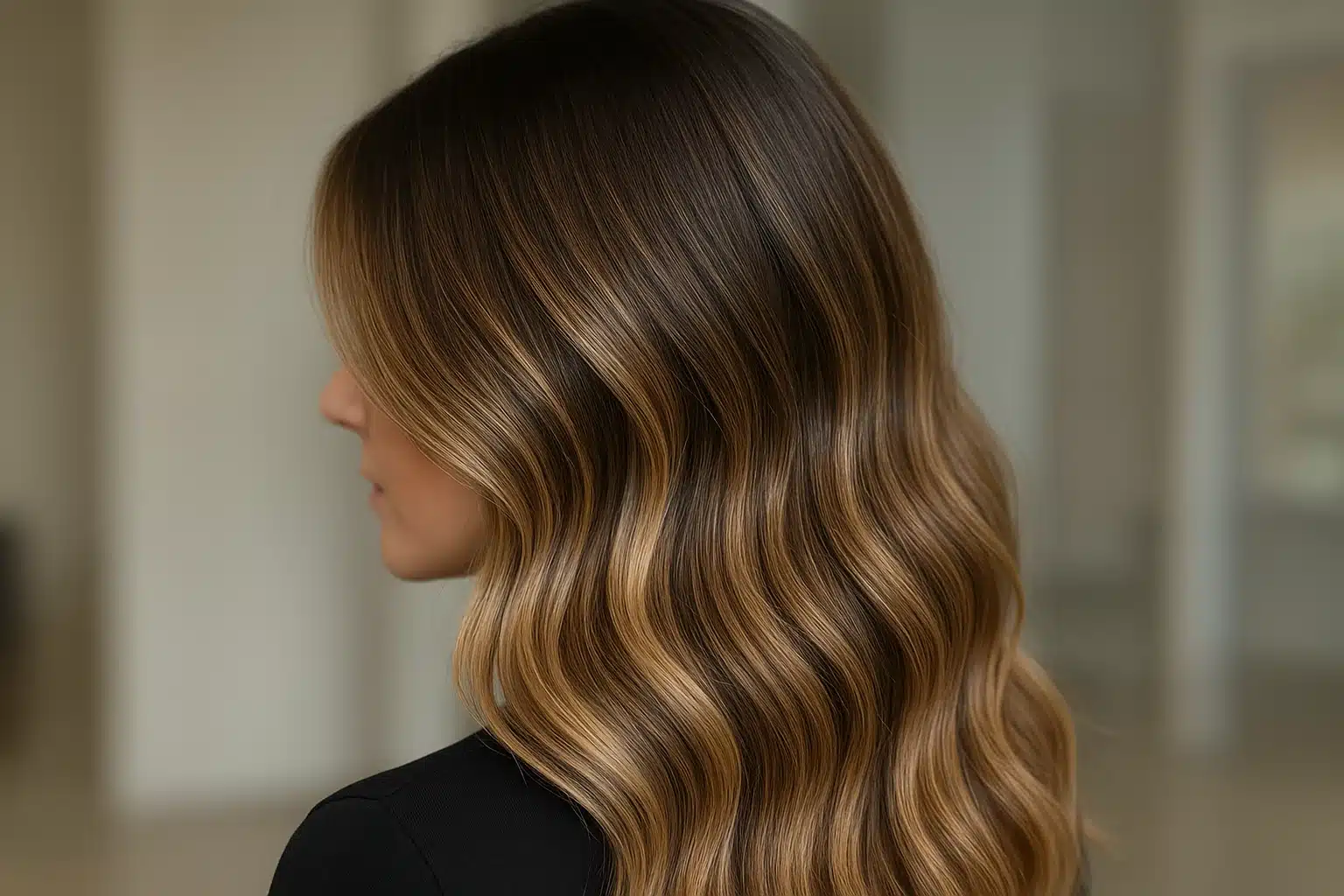
Picture this: You’re walking through Pike Place Market or grabbing coffee in Capitol Hill, and you catch your reflection in a window. Your hair looks perfectly sun-kissed, with a seamless, natural root that perfectly complements your skin tone. For many navigating hair loss or simply exploring alternative hair, achieving that flawless, natural look feels like chasing a mirage. The secret sauce? Professional custom wig coloring.
If you are exploring wig shops in Seattle, you’ve likely noticed that finding the right base cut is only half the journey. True personalization happens in the colorist’s chair. However, taking a premium human hair wig to a standard salon—or worse, trying to dye it in your bathroom sink—can quickly turn a beautiful investment into a costly disaster. Let’s explore the fascinating science of wig coloring, how to protect your piece in the Pacific Northwest climate, and what to look for when seeking bespoke wig styling in the Puget Sound area.
The “Can I Dye It?” Dilemma: Human Hair vs. Synthetic
The most common question beginners ask is whether they can change their wig’s color. The answer depends entirely on the fiber.
Synthetic wigs are crafted from specialized plastics. Applying traditional hair dye to synthetic fibers is like trying to paint a plastic water bottle with watercolors—it simply won’t absorb, and the chemicals can permanently melt or damage the fibers.
Human hair wigs, on the other hand, can be dyed, but they require an entirely different approach than the hair growing from a human scalp. This brings us to a crucial concept that separates an off-the-shelf look from a high-end, hyper-realistic masterpiece.
The Science Behind the Shade: Why Wig Coloring is a Specialized Art
Understanding why wig hair behaves differently than bio-hair (the hair growing from your head) is your first step to becoming an empowered wig wearer.
The Chemistry of Porosity
Bio-hair receives a constant supply of natural oils (sebum) from your scalp, which coats and protects the hair shaft. A human hair wig, disconnected from a scalp, lacks this natural hydration. Consequently, wig hair is highly porous. It acts like a dry sponge, absorbing hair dye much faster and darker than expected. If a colorist isn’t specifically trained in wig porosity, they can easily over-process the hair or end up with a shade far darker than intended. Furthermore, because of this porosity, without proper sealing, the color will fade much faster.
The Processing Warning
Most human hair wigs, especially those made from dark Remy hair, have already undergone significant processing to sanitize, strip, and dye the hair to a uniform color before it even reaches a store. Attempting to lift (bleach) color from an already processed dark wig is incredibly risky and can compromise the integrity of the hair, leading to severe tangling and breakage.
The “613” Advantage
If you want vibrant colors, custom balayage, or dramatic dimension, professional wig colorists will almost always recommend starting with a “613 base.” In the wig industry, 613 refers to a specific, pale platinum blonde shade. Starting with a 613 wig provides a blank canvas. Instead of using damaging bleach to lift dark pigment, the colorist only has to deposit color to create your custom masterpiece.
The Anatomy of Custom Color: Techniques to Ask For
When you visit a specialized wig boutique, knowing the terminology can help you communicate exactly what you want.
- Rooting: This is the process of darkening the first inch or two of hair near the lace base. A darker root creates the optical illusion of hair growing directly out of your scalp, adding immense realism.
- Shadow Root: A softer, more blended version of rooting that creates a gentle gradient between the root and the rest of the hair, perfect for a lived-in, low-maintenance look.
- Wig Balayage: Just like on bio-hair, this involves hand-painting highlights. However, on a wig, the placement must be meticulously mapped out based on how the wig will specifically sit on your head.
- Knot Protection: The hair on a high-quality wig is tied to delicate lace using tiny knots. A professional wig colorist will meticulously protect or bleach these knots during the coloring process so you don’t end up with unnatural dark dots or dye stains on your transparent lace.
Navigating Seattle’s Custom Wig Services
The Seattle market offers a diverse array of wig services, catering to everything from medical hair loss to fashion-forward identity expression.
In areas like Belltown, you’ll find high-end, medically-focused boutiques offering “all-inclusive” packages. These services often position themselves as part of a caregiver team, focusing on emotional support and custom color matching that mirrors your bio-hair perfectly. You might also encounter virtual luxury consultants serving the Greater Seattle area who specialize in highly customized lace tops and modern styling.
When evaluating these services, cost transparency is key. You can expect a professional custom dye service in Seattle to range from $150 to $300+. While this might seem steep, you are not just paying for hair dye. You are investing in expert knot protection, specialized porosity treatments, and the assurance that your premium wig won’t be ruined by improper chemical processing.
The PNW Factor: Protecting Your Investment in Seattle
Living in the Pacific Northwest presents unique challenges for maintaining dyed human hair wigs.
The “Fade Factor” and Puget Sound Water
While Seattle isn’t known for harsh, blinding sunlight, our regional water composition and even subtle UV exposure through persistent cloud cover can cause custom dye to fade. Because wig hair is porous, washing it in hard water can strip the deposited color. Using a specialized color-safe, sulfate-free shampoo and washing your wig as infrequently as possible is vital.
The T-Pin Mistake
When drying or styling your newly colored wig at home, you need to secure it to a canvas block head. Most craft stores sell thick T-pins for this purpose, and many beginners mistakenly use them. Do not use T-pins on delicate lace. They are too thick and can permanently stretch or tear the fragile lace base of a premium wig. Instead, always use ultra-thin quilting pins to secure your wig without causing structural damage.
The 4-Finger Rule
When having your wig custom colored with face-framing highlights, proper placement on your head is critical. Use the “4-finger rule”: place four of your fingers flat against your forehead, with your index finger resting just above your eyebrows. The top of your pinky finger is generally where your natural hairline should sit. Make sure you are wearing the wig exactly at this point when your colorist maps out your custom color to ensure the highlights hit your cheekbones and jawline perfectly.
5 Questions to Ask Your Seattle Wig Colorist
Before handing over your premium human hair wig for coloring, ask these qualifying questions to ensure you are in expert hands:
- “How do you protect the lace and knots during the coloring process?” (They should mention applying a protective barrier like styling gel or specific knot-sealing techniques).
- “What is your protocol for coloring pre-processed Remy hair?”
- “Do you recommend we start with a 613 blonde base for my desired look?”
- “What specific at-home products do you recommend to prevent fading in this climate?”
- “Is your pricing ala carte or all-inclusive?” (Understand if washing, styling, and knot bleaching are included in the color fee).
Frequently Asked Questions (FAQ)
Can I use store-bought box dye on my human hair wig?
It is highly discouraged. Box dyes contain strong, generalized developers that are often too harsh for the porous, pre-processed hair used in wigs. They can cause severe dryness, unpredictable color results, and permanent damage to the wig’s lace base.
What is the difference between rooting a wig and coloring bio-hair?
When a stylist colors bio-hair, they apply dye directly against the scalp. With a wig, dye must be painstakingly applied millimeter by millimeter to the hair shaft without letting the dye bleed onto the delicate lace base, which would create a stained, unnatural scalp appearance.
How long does custom color last on a human hair wig?
Because you do not wash a wig as frequently as bio-hair (typically only every 7-10 wears), custom color can last several months. However, this depends entirely on the porosity of the hair, the quality of the color used, and whether you are using heat protectants and UV-blocking serums.
Do all Seattle wig shops offer custom coloring?
No. Many wig shops focus purely on retail—selling “off-the-shelf” synthetic or pre-colored human hair wigs. To get bespoke color, you must look for boutiques or specialized stylists that explicitly advertise custom coloring, medical hair loss customization, or specialized wig cosmetology.
Your Next Steps in the Journey
Finding a customized, natural-looking wig doesn’t have to be overwhelming. By understanding the science behind wig porosity, the value of knot protection, and the regional nuances of maintaining your wig in the Pacific Northwest, you are now equipped to make an informed decision.
Take your time exploring local boutiques and specialized colorists. Armed with the right knowledge and the right questions, you’re well on your way to discovering a custom color that not only looks beautifully natural but perfectly reflects exactly who you are.