When you step out under the heavy, hot lights of a Seattle theater or navigate the bustling floor of Sakura-Con, your costume is only as strong as its foundation. For performers and dedicated cosplayers, that often means the hair. But here’s a secret many newcomers learn the hard way: a standard everyday fashion wig isn’t built to survive a four-show weekend, quick changes in a dark backstage wing, or a twelve-hour convention sprint.
If you’re hunting for the right fit, exploring the various wig shops in Seattle can feel overwhelming. The difference between a daily-wear boutique and a theatrical supply house is massive, and knowing exactly where to look—and what to look for—is the first step in building a character kit that won’t let you down. Whether you’re starring in a local production, preparing for Emerald City Comic Con, or simply exploring the art of character transformation, understanding the mechanics of stage-ready hair will change how you approach your craft.
Stage vs. Street: The Science of Theatrical Wig Construction
Why does a beautifully soft fashion wig suddenly look flat and artificial from the tenth row of an auditorium? It all comes down to construction and contrast.
Everyday wigs are designed to look natural under sunlight and office lighting. Theatrical wigs, however, are engineered to read clearly under intense stage washes. They utilize bolder color contrasts and thicker densities. A standard machine-wefted costume wig—the kind you might find in a pop-up Halloween store—traps heat against your scalp, making it incredibly uncomfortable during a high-energy performance.
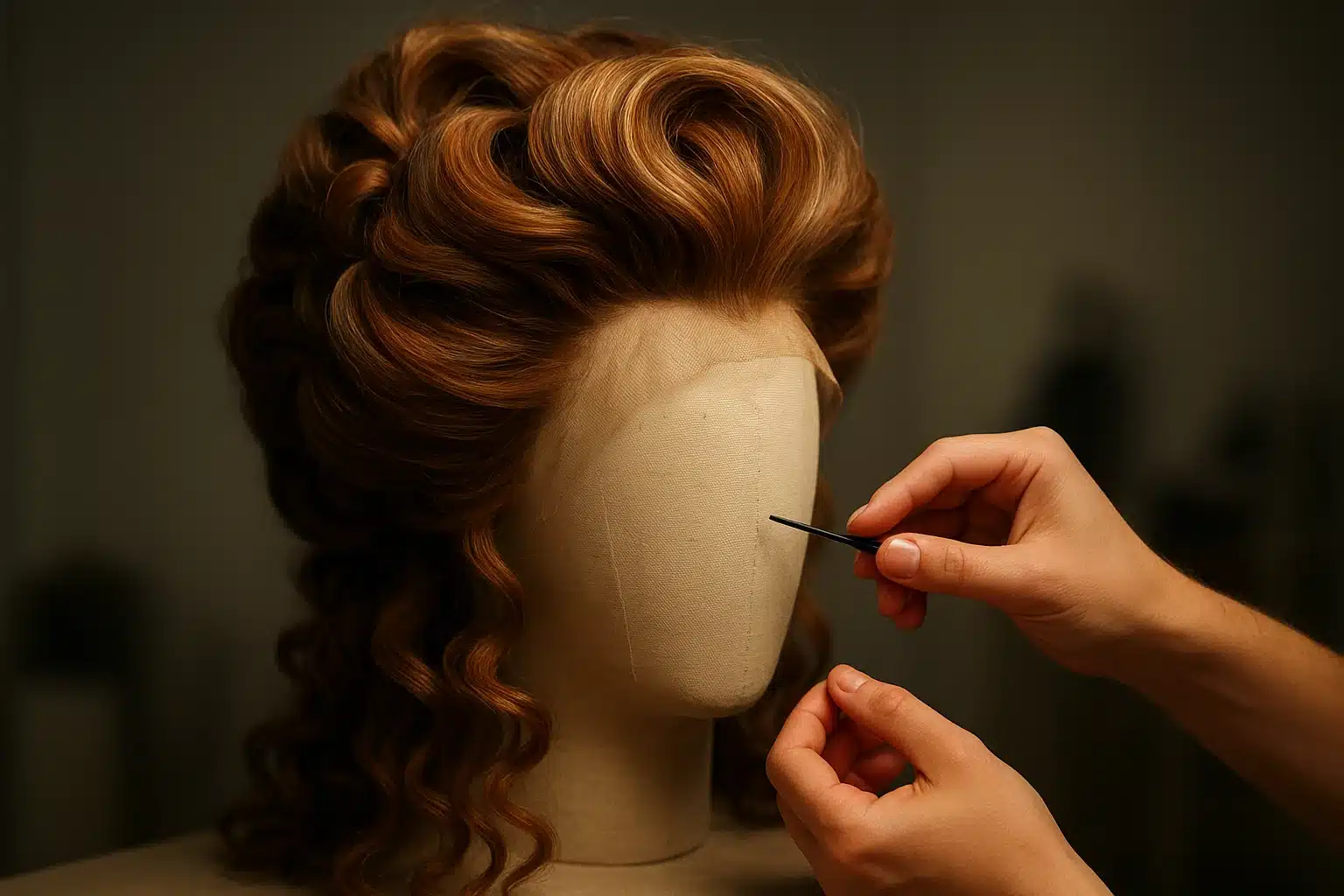
For professional stage work, look for hand-tied lace fronts. These allow the hair to move naturally and seamlessly blend into your skin, creating a believable hairline even when your character is dramatically sweating. When evaluating fibers, understand the difference between standard synthetics and heat-defiant options like Futura or Kanekalon, which offer a higher “Theatrical Durability Score.” Kanekalon, for instance, holds its shape beautifully through multiple convention days, whereas cheaper Toyokalon fibers may tangle and frizz under the friction of costume collars.
Navigating Seattle’s Theatrical Wig Scene
The Seattle theatrical community is incredibly vibrant, but sourcing professional hair requires knowing the local landscape. Not every shop serves the same purpose.
Legacy Suppliers and Costume Institutions
For decades, institutions like Champion Party Supply (founded in 1936) have been the backbone of Seattle’s costume scene. They offer sheer inventory breadth, making them an excellent stop for foundational costume pieces and vibrant theatrical character hair.
High-End Rentals and Logistics
When a production requires an intricately styled piece—like an 18th-century powdered wig or a specific vintage updo—building from scratch isn’t always feasible. Shops like A Masquerade specialize in theatrical rentals.
The Rental Cheat Sheet: If you’re renting in Seattle, always ask these three questions:
- What is the hygiene policy? Reputable shops will have a strict cleaning protocol between rentals.
- Are there restyling fees? If the wig loses its shape during your run, who is responsible for resetting it?
- What is the deposit structure? High-quality theatrical wigs are expensive assets; expect to leave a significant deposit.
Custom Commissions and Inclusive Care
For highly specific cosplay needs, performers often turn to local commission artists (like the talented folks at Emerald City Wigs) who specialize in gravity-defying anime styles. Conversely, if you are looking for medical-grade compassion and daily-wear realism, legacy spaces like William Collier Design have spent over 50 years focusing on hair restoration and inclusive styling, though their focus is outside the theatrical niche.
Mastering the Fit: The Foundation of a Professional Look
The most beautifully styled wig will look amateurish if the foundation is poor. The number one point of confusion for beginners is how to hide their natural hair, especially thick 4C textures or very long locks.
The Art of the Flatten
You cannot just stuff your hair into a cap. The secret to a seamless fit lies in pin-curls or tight cornrows. By distributing your hair’s volume evenly across your scalp and securing it firmly, you create a flat, anchorable base that prevents the wig from shifting during a dance number.
The 4-Finger Rule
Ever see a wig that just looks “off,” but you can’t pinpoint why? It’s usually the hairline. Place four fingers horizontally across your forehead, with your pinky resting on your eyebrows. Where your index finger lands is exactly where your wig’s hairline should sit. Any lower, and the face looks compressed; any higher, and the wig looks like it’s slipping off.
Adhesive Education: Spirit Gum vs. Got2B Glued
Beginners often fear theatrical adhesives. While Spirit Gum is a classic, it can cause skin irritation for some and requires a dedicated remover. A massive “aha moment” for the cosplay community was the adoption of Got2B Glued hair gel and freeze spray. It acts as a water-soluble adhesive that locks lace fronts securely to the skin for hours, offering a much lower barrier to entry without the risk of contact dermatitis.
The Preservation Lab: Maintaining Your Investment
A stage wig goes through a lot. Sweat, heavy makeup, and aggressive brushing can cut its lifespan in half. Here is how the pros keep their fiber looking fresh:
- Washing: Skip the expensive salon shampoos. For synthetic stage wigs, a mixture of cold water and baby shampoo (or even a drop of gentle dish soap to cut through heavy theatrical makeup and grease) works wonders.
- Detangling: Long synthetic fibers notoriously tangle at the nape of the neck. Do not rip through it with a paddle brush. Spray the tangled area with a silicone-based wig detangling spray, and gently work from the bottom tips upward using a wide-tooth comb.
- Fixing Cutting Sins: Made a mistake while trimming your character’s bangs? Don’t panic. One of the best-kept industry secrets is that you can fix a bad cut by carefully sewing or gluing new wefts of hair into the cap to replace the lost volume.
Essential Wig Kit Checklist
Before your opening night or convention weekend, make sure your backstage kit includes:
- Got2B Glued Spray & Gel: For lace front adhesion and flyaway management.
- T-Pins and a Canvas Block Head: Essential for holding your wig secure while styling overnight.
- A Rat-Tail Comb: For sharp parting and delicate edge work.
- Silicone Detangling Spray: Your best defense against friction-induced frizz.
Frequently Asked Questions (FAQ)
How do I hide dark hair under a light blonde theatrical wig?
Start with a flesh-toned or nude wig cap that matches your skin tone. If your dark hair still shows through, you may need to “double-cap” or wear a wig with a higher fiber density that doesn’t allow light to pass through the wefts.
Can I use standard drugstore hairspray on synthetic costume wigs?
Generally, no. Standard hairspray contains chemicals that can leave white, flaky residue on synthetic fibers. Always use a wig-specific styling spray or an extreme-hold styling glue designed to dry clear.
Are there local places in Seattle to learn wig styling?
Yes! Keep an eye on local theatre networks. Often, professionals associated with the Seattle Opera’s Costume, Hair, and Makeup (CHMU) department or local cosplay groups will host public workshops, especially in the months leading up to Sakura-Con or Emerald City Comic Con.
Taking the Next Step
Whether you are stepping into the spotlight of a local theater, bringing a beloved comic character to life, or simply exploring the transformative power of hair, understanding the tools of the trade is your greatest asset. High-quality wigs require an upfront investment of both time and education, but the resulting confidence on stage is immeasurable.
At Wig Superstore, with nearly two decades of experience helping individuals navigate their unique hair journeys, we believe that exceptional hair should empower you. As you continue to build your character kits and explore your local rental options, remember that the right foundation, a bit of compassionate care, and a little industry knowledge are all it takes to make magic happen. Keep experimenting, keep learning, and most importantly, enjoy the transformation.