Think about the last time you watched a truly captivating movie or theatrical performance. Long before the actors delivered their first lines, they told you exactly who they were. How? Through their hair. Hair is the most malleable part of the human form, making it a storyteller’s greatest secret weapon.
In the fascinating world of the wig in entertainment: stage, screen, and performance art, hairpieces are far more than just accessories. They are psychological blueprints. A strategically designed wig can instantly communicate a character’s socioeconomic status, their emotional state, or their secret, fractured identity. When we bridge the gap between technical wig specifications and the narratives they serve, we unlock a deeper appreciation for the magic of transformation.
Grab a cup of coffee, and let’s pull back the curtain on how technical hair design creates the characters we love—and love to hate.
The Anatomy of Realism: Why We Believe the Illusion
To understand how wigs build character, we first need to understand the tools of the trade. If you’ve ever found yourself wondering how Hollywood makes an actor’s hair look so incredibly real, you’re experiencing the power of subtle technical choices.
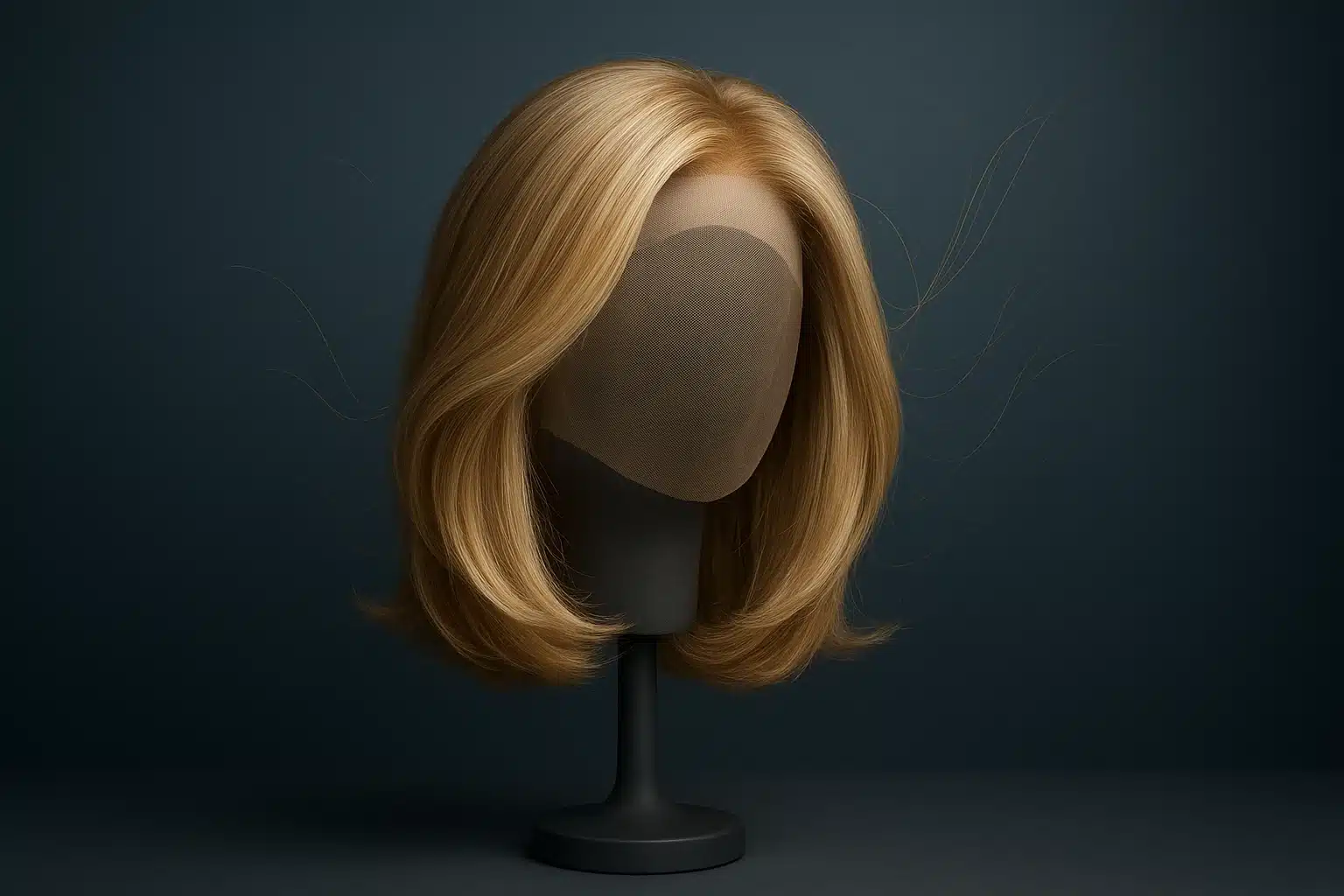
One of the foundational tools in character design is the lace wig. In technical terms, a lace front wig features hairs individually tied to a sheer, breathable mesh at the front, creating the illusion of hair growing directly from the scalp. But in storytelling terms? A flawlessly executed lace front signals a character whose external persona perfectly matches their internal reality.
The Magic of “Melted Lace”
In the industry, you’ll often hear the term “melted lace.” This refers to lace that has been so expertly blended into the actor’s skin that it becomes entirely invisible. When a character wears melted lace, they represent the peak of concealment. Think of the suave, high-powered executive or the flawlessly put-together heroine. Their “melted” hairline subconsciously tells the audience: This person is in total control.
The Uncanny Valley of “Hard Fronts”
Conversely, not all characters are supposed to look perfect. A “hard front” wig has a thick, visible edge rather than sheer lace. When costume designers intentionally use hard fronts or poorly blended hairlines, it creates a subtle psychological dissonance for the audience. We instinctively sense that something is “off.” This visual trick pushes the character into the “uncanny valley,” instantly signaling to our subconscious that they might be a villain, a fraud, or someone clinging to a fake persona.
The Character-to-Construction Matrix
Great character design relies on a matrix of choices. By mapping specific character archetypes to exact wig constructions, storytellers create instant emotional resonance.
- The Matriarch (The 13×3 Lace Front): A “13×3 lace front” means the lace extends 13 inches across the hairline (ear to ear) and 3 inches deep into the crown. This construction allows for deep, natural parting and absolute versatility. A character wearing this—often the wealthy matriarch or the calculating queen—projects authority, flexibility, and a meticulously curated image.
- The Aspirant (The Headband Wig): Characters who are desperately trying to fit into high-status circles but haven’t quite mastered the rules often wear styles that bridge two worlds. For example, utilizing popular styles like sunber wigs or classic headband wigs allows a character to blend a polished, synthetic extension with their natural front hair. It represents a character in transition, keeping one foot in their authentic self while striving for a new identity.
- The Rebel (The Colored Half-Wig): A character in a bright pink half-wig isn’t just making a fashion statement. The visible tension between the vibrant, unnatural hairpiece and their natural roots physically represents their fractured identity and rebellion against societal norms.
The Subconscious Signals of Wig Cap Construction
While the audience focuses on the hair, the actor’s performance is profoundly influenced by what’s underneath. The foundation of a hairpiece dictates how it moves, breathes, and feels, which ultimately changes how an actor carries themselves.
A high-quality wig cap construction allows an actor to move freely, tossing their head with the natural confidence of the character. Furthermore, this foundation is crucial for inclusive storytelling. For instance, creating vulnerable or aging characters requires immense dignity. Through specialized wig cap construction designed specifically for men’s pieces, designers can craft incredibly realistic receding hairlines or thinning crowns. Similarly, children’s lace wigs are constructed to fit smaller proportions perfectly, ensuring that young actors can portray their characters without the distraction of a poorly fitted cap.
Breaking Character: The “Four Finger Rule”
Even the most beautiful wig will ruin a story if it’s placed incorrectly. In the wig design world, the golden standard is the “Four Finger Rule.”
Place your hand flat against your forehead, with your pinky resting just above your eyebrows. Your natural hairline should generally begin right above your index finger. If a costume designer places a wig too far forward, the character looks instantly claustrophobic or primitive. If placed too far back, the character appears prematurely aged or exposed. Violating the Four Finger Rule breaks character credibility immediately, snapping the audience out of the narrative.
Transformation Case Studies: Wigs in Action
Let’s look at how these theories play out in modern cinema:
Furiosa (Mad Max: Fury Road)
Sometimes, the most powerful wig design is the absence of one. Furiosa’s shaved head was a radical departure from the long, flowing hair typically assigned to female action heroes. Her lack of hair was a narrative choice signaling pure survivalism, a stripping away of traditional femininity in a brutal world.
Shuri (Black Panther)
Shuri’s intricate, braided styles were nothing short of sensation wigs that created iconic silhouettes. Her hair was heavily designed to reflect a “technological crown.” The flawless execution of her protective styles communicated both her royal status and her role as Wakanda’s brilliant technological innovator, blending deep cultural roots with futuristic design.
The Designer’s Toolkit: Bringing It All Together
Whether you are a community theater director, an aspiring writer, or simply a lover of film, understanding the psychology of hair changes how you view storytelling. Here are a few practical takeaways:
- Look at the Hairline: Is it perfectly melted or intentionally harsh? This will tell you if the character is authentic or hiding something.
- Consider the Texture: Sickly, limp textures are often used to portray characters losing control (think mobsters on the run), while voluminous, bouncy textures signal vitality and dominance.
- Notice the Transition: When a character’s hair changes dramatically mid-story, it is never an accident. It is the visual marker of their internal character arc.
Frequently Asked Questions About Wig Design in Storytelling
What does “13×3 lace front” mean?
This refers to the dimensions of the sheer lace material at the front of the wig. It measures 13 inches across the front hairline (from ear to ear) and 3 inches deep toward the crown. This specific measurement allows costume designers to create natural-looking middle or side parts, offering immense styling versatility for the character.
What is the difference between a lace front and a hard front?
A lace front features hairs individually tied to a sheer mesh, creating a seamless, natural-looking hairline that blends into the skin. A hard front has a thick, defined edge where the hair is sewn directly to the cap material. Hard fronts are rarely used for realistic characters in film today, but may be used intentionally to make a character look “fake” or unapproachable.
How do wigs help actors build character?
Wigs act as a physical mask. The tension between the actor’s real persona and the character’s hair allows the actor to step outside themselves. The physical weight, texture, and style of the wig can alter an actor’s posture, the way they walk, and how they express emotion.
Why is wig quality so important in high-definition film?
With modern 4K and 8K cameras, every single knot and seam is visible to the audience. High-definition film requires “melted lace” and superior cap construction so that the illusion of reality is never broken. Poor quality pieces instantly trigger the “uncanny valley” effect, distracting viewers from the story.
***
Hair is never just hair—it is the crown a character wears, the armor they hide behind, and the story they tell the world before they ever speak a word. By understanding the profound psychology behind these designs, we can deeply appreciate the incredible empathy and artistry that goes into creating the characters we cherish.
If you are beginning your own journey with hairpieces—whether for daily wear, medical hair loss, or theatrical performance—knowing these foundations empowers you to choose pieces that reflect your truest, most confident self.