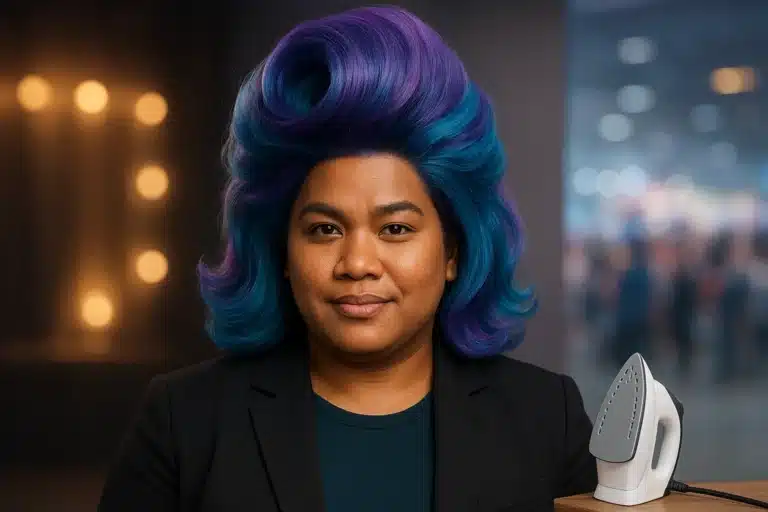
Finding the perfect human hair wig is an incredibly personal journey. Whether you are navigating medical hair loss, exploring a new style, or simply looking for everyday convenience, you want hair that looks and feels like you. But as you run your fingers through those remarkably soft strands, a profound question often arises: Where exactly did this hair come from?
For many conscious consumers in the Pacific Northwest, looking good isn’t enough; the product must also align with their values. Navigating the world of sustainable beauty can feel overwhelming, especially when trying to discern fact from marketing fiction. When researching the best wig stores in Seattle WA, it is essential to start with a baseline of quality and trust before diving into specific ethical niches. Let’s explore what makes a human hair wig truly ethical and where you can find these sustainable treasures in the Emerald City.
The Ethical Dilemma: Why the Source Matters
The global human hair trade is a multi-billion dollar industry, yet it has historically been shrouded in secrecy. For decades, the focus has been on the final aesthetic rather than the human hands—and heads—that supplied the product.
When you purchase a human hair wig, you are buying a piece of someone else’s biological history. Unfortunately, standard retail descriptions often obscure the origin of the hair. Transparency advocates in the industry often point to a simple price-point reality: if a premium human hair wig costs under $400, it is highly likely that there is a hidden ethical cost paid by the original donor.
Choosing ethically sourced hair means ensuring that the individuals who provided the hair did so willingly and were either fairly compensated or donated it purposefully to a cause they believe in.
Decoding the Labels: What “Remy” and “Virgin” Really Mean
To navigate Seattle’s specialty wig shops effectively, it helps to speak the language. The industry is filled with jargon that can easily confuse beginners. Let’s translate some of the most common terms:
Virgin Hair
This refers to hair that has never been chemically processed, dyed, or permed by the donor. It is entirely in its natural state, making it highly coveted and structurally resilient.
Remy Hair
“Remy” is not a brand; it’s a collection method. Remy hair is gathered in a way that keeps all the cuticles (the microscopic outer scales of the hair) running in the same downward direction. This prevents the severe tangling and matting that plagues lower-quality wigs.
Temple Hair: The Gold Standard of Ethical Sourcing
If you want to experience a true “aha moment” regarding ethical hair, look to Indian Temple hair. In many Hindu traditions, men and women participate in a ritual called tonsuring, where they willingly shave their heads as an act of religious devotion and surrender.
Temples collect this high-quality, often virgin hair and auction it to reputable wig manufacturers. The funds raised from these auctions are typically poured right back into the local community to fund schools, hospitals, and infrastructure. When sourced properly, Temple hair represents a beautiful, consensual, and community-uplifting supply chain.
The 3-Point Ethics Verification Checklist
When you walk into a Seattle wig boutique, you don’t have to rely on guesswork. Take this three-point checklist with you to verify a store’s sourcing claims and avoid “greenwashing” (when a product is marketed as eco-friendly without the practices to back it up).
1. “Can you trace the origin of this hair?”A reputable retailer should be able to tell you not just the country of origin, but the method of collection (e.g., European private donors, Indian temples).
2. “What is your manufacturer’s donor policy?”Ethical shops partner with brands that have strict, documented guidelines ensuring fair compensation and willing donation.
3. “What is the expected lifespan of this piece?”Here is where the Cost-Per-Wear Sustainability Metric comes into play. An ethically sourced, $2,000 wig that lasts five years is fundamentally more sustainable than buying five unethically sourced $400 wigs over the same period. High-quality sourcing reduces waste and honors the donor’s contribution by maximizing its lifespan.
The Seattle Ethical Shortlist
Seattle is home to a growing niche of retailers who understand the importance of sustainable, compassionate hair replacement. While there are many shops in the area, a few stand out for their commitment to high-end, ethical sourcing.
- William Collier Design: A recognized staple in the local hair loss community, this studio is known for carrying FOLLEA® wigs. Follea is widely considered the industry benchmark for ethically sourced, premium European hair. Their approach is clinical, highly customized, and heavily focused on sourcing transparency.
- Chavie Russell Wigs: Offering high-end, meticulously sourced human hair options, Chavie Russell focuses on creating pieces that look incredibly natural while maintaining strict quality control over where their materials originate.
Sustainable Aftercare: Seattle’s Eco-Salon Synergy
Ethical beauty doesn’t end at the cash register. How you maintain your wig drastically impacts its sustainability.
Many lower-tier wigs are heavily processed and coated in silicones to mimic the shine of healthy hair. Over time, these silicones wash away, leaving the hair brittle and prone to tangling. Ethically sourced, high-quality hair doesn’t need these toxic chemical coatings, meaning it can be maintained using natural, eco-friendly products.
Seattle boasts a thriving organic hair scene. To create a “full-circle” sustainable experience, consider taking your high-quality human hair wig to local eco-salons—like Hazel Salon or Treo Organic—for chemical-free maintenance, deep conditioning, and styling. Treating your wig with environmentally friendly products protects local waterways and extends the life of your investment.
The End-of-Life Plan
When your wig has finally reached the end of its wearable life, don’t throw it in the trash. Look into local Seattle textile recycling programs or theatrical donation centers that can repurpose the materials, keeping them out of local landfills.
Frequently Asked Questions About Ethical Wigs
Is it ethical to buy human hair?
Yes, absolutely—provided it is sourced transparently. When hair is donated willingly for religious reasons (like Temple hair) or purchased through fair-trade agreements where donors are properly compensated, it empowers communities and provides a vital service for those experiencing hair loss.
Why are ethical wigs so much more expensive?
You are paying for fair labor practices, consensual donation compensation, and rigorous quality control. Unethical hair is cheap because it exploits vulnerable populations and uses harsh chemicals to mask poor quality. Ethical hair is an investment in human dignity and superior longevity.
How do I know if a brand is truly ethical?
Look for brands that openly publish their supply chain processes. If a company’s website relies entirely on buzzwords like “premium” without explaining how they procure the hair, proceed with caution.
Your Next Steps in the Ethical Hair Journey
Understanding the origins of human hair wigs transforms you from a passive shopper into an empowered consumer. It allows you to make choices that celebrate your personal beauty while honoring the global community.
At Wig Superstore, we believe that education is the foundation of confidence. With nearly two decades of experience, our mission has always been rooted in compassionate customer care and industry expertise. If you’re currently navigating hair loss or simply looking for an enhancement that aligns with your values, take your time. Ask questions, demand transparency, and remember that true beauty is sustainable from the source to the styling chair.