When you or a loved one are navigating medically induced hair loss—whether from chemotherapy, alopecia, or another medical condition—you are suddenly thrust into a dual challenge. On one hand, you’re managing a deeply emotional and physical transition that requires immense personal resilience. On the other, you’re faced with navigating a complex, jargon-heavy healthcare and insurance system. It can feel completely overwhelming.
While fashion consumers search for trendy, budget-friendly styles online, those seeking clinical hair loss solutions require deep administrative guidance and compassionate, in-person care. If you live in the tri-state area, finding the right local support makes all the difference. In fact, exploring the best wig stores in Cincinnati, OH is a critical first step toward finding a specialized provider who can offer both a comfortable, customized fit and the precise medical-grade documentation required to secure insurance reimbursement.
Whether you are just starting to research your options or you are holding an insurance claim denial letter wondering what to do next, this guide will walk you through exactly how to bridge the gap between medical necessity and insurance reality.
The Linguistic Shift: “Wigs” vs. “Cranial Prostheses”
The most important “aha” moment for anyone beginning this journey is understanding the language of health insurance. Simply put: If you use the word “wig” on your insurance claims, your request will almost certainly be denied. To an automated insurance processing system, a “wig” is categorized as a cosmetic luxury, not a medical necessity.
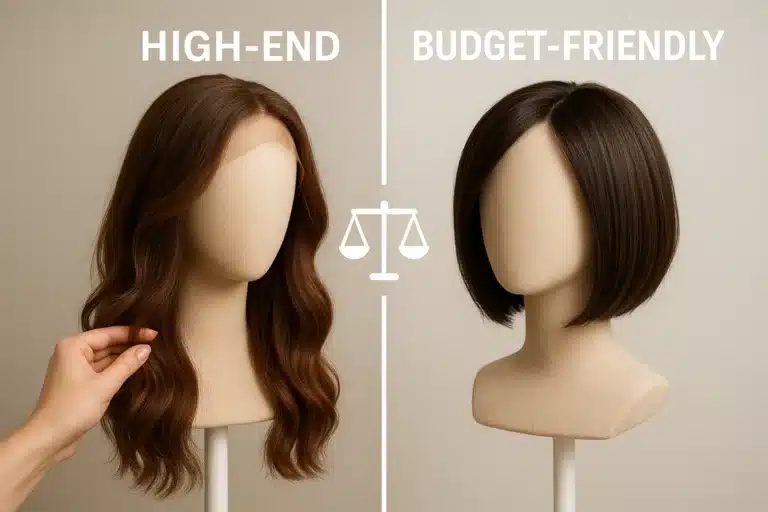
When someone searches online, they are often bombarded with standard cosmetic options. It’s important to understand the vast difference between specialized wigs for cancer patients and temporary fashion pieces. Standard wig type wigs, budget-driven wig fever wigs, or playful accessories meant to be wigs for a wig party (such as brightly colored tinsel wig wigs by vanity) are designed for just a few hours of wear using standard adhesives or clips.
By contrast, high-grade cancer wigs and medical wigs are clinical devices. They feature soft cap liners, hand-tied construction, and hypoallergenic materials designed specifically to protect irritated, bare skin for 12 or more hours a day. In the medical and insurance world, these are known exclusively as Cranial Prostheses. Teaching your doctors, your local boutique, and your insurance provider to use this exact terminology is the key to unlocking your coverage.
Demystifying Insurance: The Medical Codes You Need
To successfully process a claim for a cranial prosthesis, your paperwork must contain specific medical billing and diagnostic codes. Here is what you need to look out for:
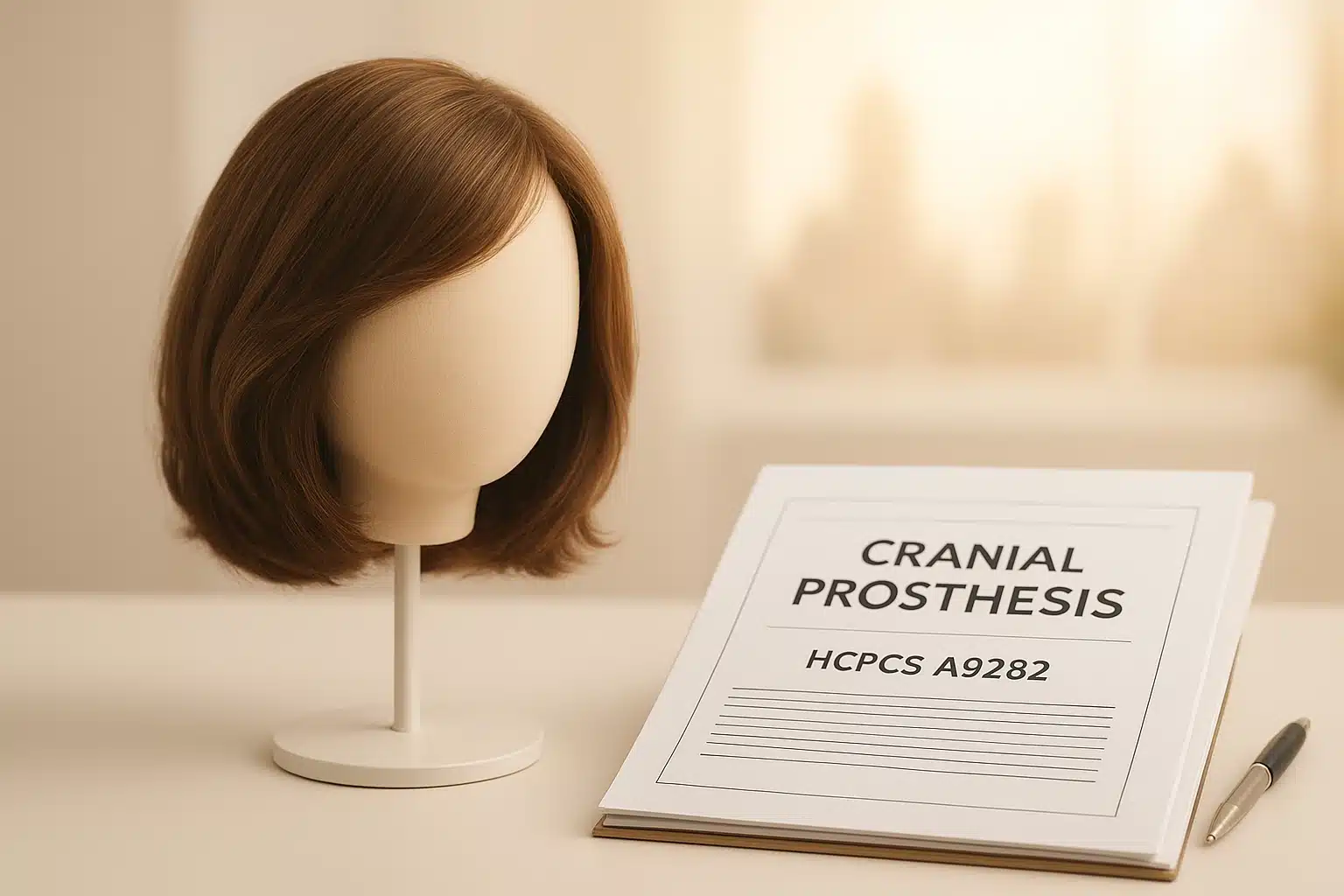
- The Billing Code: The magic number for your insurance claim is Cranial prosthesis HCPCS A9282. This is the universal Healthcare Common Procedure Coding System code for a synthetic or human hair cranial prosthesis. Your retail invoice must clearly display this code.
- The Diagnostic Code (ICD-10): Your doctor’s prescription must include an ICD-10 code that explains why you are experiencing hair loss. Common codes include:
L65.4– Chemotherapy-induced alopeciaL63.0– Alopecia totalisL63.1– Alopecia universalisL63.9– Alopecia areata, unspecified
The Medicare Reality Check
A major source of confusion for many patients is Medicare coverage. It is vital to know that Original Medicare (Parts A & B) does not cover medical wigs, classifying them as cosmetic despite a doctor’s prescription. However, if you have a Medicare Advantage plan (Part C) or Ohio Medicaid Managed Care, you may have specific coverage allowances. Always call your provider to verify your specific plan details.
Local Cincinnati Providers: Commercial and Free Resources
Navigating this process locally means you don’t have to do it alone. Cincinnati is home to several specialized boutiques and non-profit organizations equipped to help you physically and administratively.
Clinical Boutiques for Custom Fitting and Insurance Processing
These retailers specialize in high-end, medical-grade pieces and have experience helping clients compile the right paperwork for insurance:
- Allusions Hair Loss Solutions (Montgomery Road): With nearly 30 years of local experience, they offer private fitting rooms, custom replication of your previous hairstyles, and hands-on help organizing your medical receipts.
- Jag’s Boutique (Cincinnati): A fully integrated medical boutique that deeply understands medical-grade caps, specializing in both cranial and breast prosthetics.
- Chavie Russell Wigs: Offers premium, custom human hair options for medical clients who desire the highest tier of natural hair matching.
- Modish Beaute (Mason, OH): Provides custom medical wig services specifically designed with insurance billing support in mind.
The Cincinnati Safety Net (Free Options)
If you are underinsured or paying out-of-pocket is not an option, our community has incredible resources:
- Cancer Family Care Wig Program: Located on Red Bank Expressway and in Eastgate, this incredible local non-profit provides free wigs, hats, and scarves to any local cancer patient through community donations. They focus on dignity and care, entirely bypassing the stress of commercial insurance.
Practical Comfort: Securing Your Cranial Prosthesis
Choosing a medical wig is only half the battle; wearing it comfortably is the other. Because medical treatments often leave the scalp incredibly sensitive and prone to friction, standard wig application methods (like harsh liquid glues or metal clips) can cause severe irritation or tension headaches.
When shopping for your prosthesis, look for caps with monofilament tops (which mimic natural hair growth at the scalp), 100% hand-tied bases, and silicone tabs that gently grip bare skin. To secure the piece safely during the transition period when your hair might be patchy, or when you are fully bald, we highly recommend using a soft fabric wig grip for wigs. A velvet wig grip creates a gentle friction barrier that holds your piece securely in place all day without the need for skin-damaging adhesives.
Your Step-by-Step Claim Submission Checklist
Ready to submit your claim? Follow these exact steps to give yourself the best chance of approval:
- Phase 1: Pre-Verification: Call your insurance company before you buy. Ask them specifically: “Does my policy cover a cranial prosthesis for medical hair loss under HCPCS code A9282?” Document the date, time, and the representative’s reference number.
- Phase 2: The Prescription: Have your oncologist or dermatologist write a prescription. It must say “Cranial Prosthesis” (not wig), state your specific ICD-10 diagnosis code, and include a note that says “Required for medical hair loss. Do not substitute.”
- Phase 3: The Retail Invoice: Ensure your Cincinnati wig store provides an invoice containing their Federal Tax ID, the HCPCS A9282 code, a clear description of the “Cranial Prosthesis,” and an itemized list of any custom fitting fees.
- Phase 4: Submission & Tracking: Submit the prescription and the customized invoice to your insurance portal. Keep copies of absolutely everything.
What if Your Claim is Denied?
Insurance companies routinely deny cranial prosthesis claims on the first try, automatically flagging them as cosmetic. Do not panic. You have the right to write an appeal letter. State clearly that the item is a prescribed medical device, attach photos of the prescription, and re-state your diagnostic codes.
The Backup Plan: If your health insurance ultimately denies the claim, remember that a cranial prosthesis is considered a qualified medical expense under IRS Publication 502. This means you can use funds from your Health Savings Account (HSA) or Flexible Spending Account (FSA) to purchase your piece completely tax-free.
Frequently Asked Questions
What do I do if my local wig store doesn’t have an NPI number?
Many specialized wig boutiques do not have a National Provider Identifier (NPI) number because they are retail stores, not doctors. If your insurance asks for this, you can still file your claim using the store’s Federal Tax ID along with a W-9 form provided by the retailer.
Will insurance cover a human hair wig, or only synthetic?
Coverage depends entirely on your specific policy. Some policies cover a flat percentage of the total cost regardless of the material, while others have a strict maximum dollar allowance (e.g., $350) per calendar year, which easily covers a high-quality synthetic piece but will only offset the cost of a human hair prosthesis.
How soon before starting chemotherapy should I visit a Cincinnati wig shop?
It is highly recommended to visit a boutique before you begin treatment or cut your hair. This allows the stylist to see your natural hair color, texture, and density so they can closely replicate your everyday look with your new cranial prosthesis.
Taking Your Next Steps
The journey through medical hair loss is undoubtedly challenging, but you do not have to walk it without a map. By understanding the critical linguistic shift to “cranial prosthesis,” utilizing the correct medical codes, and leaning on the incredible local resources available in the Cincinnati area, you can advocate for yourself both medically and financially.
Arm yourself with this knowledge, reach out to a local specialist for a private consultation, and take comfort in knowing that there are compassionate experts right in your community ready to help you feel like yourself again.