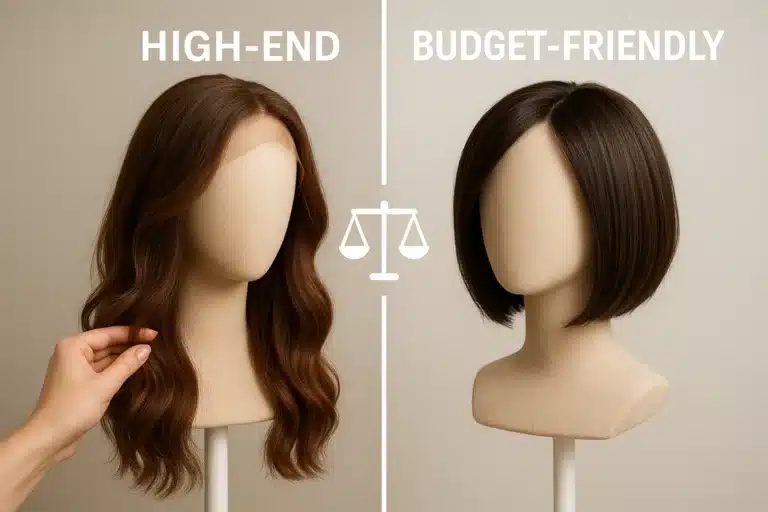
Imagine walking into a beautiful local boutique, ready to find the perfect hair loss solution, only to be met with a bewildering wall of terminology: lace front, monofilament, fully hand-tied, open-wefted. If you’re simply looking for hair that feels like your own, this barrage of technical jargon can make the shopping experience feel incredibly overwhelming.
When you’re searching for alternative hair, finding the right style and color is only half the battle. The true secret to a comfortable, natural-looking wig lies underneath—in the cap construction. While reading an ultimate guide to the best wig stores in Grand Rapids, MI is a fantastic first step to locating physical shops, you need to know exactly what you’re looking for before you book that consultation. Let’s decode the anatomy of a wig cap, so you can walk into any West Michigan boutique with absolute confidence.
Demystifying the Jargon: The “Mutually Exclusive” Myth
The biggest misconception beginners face is believing that “Lace Front,” “Monofilament,” and “Hand-Tied” are entirely separate types of wigs that you have to choose between. In reality, these are compatible features, not mutually exclusive choices. A single high-quality wig can actually feature all three!
Think of a wig cap like a custom-built home. Different materials are used in different areas for specific purposes:
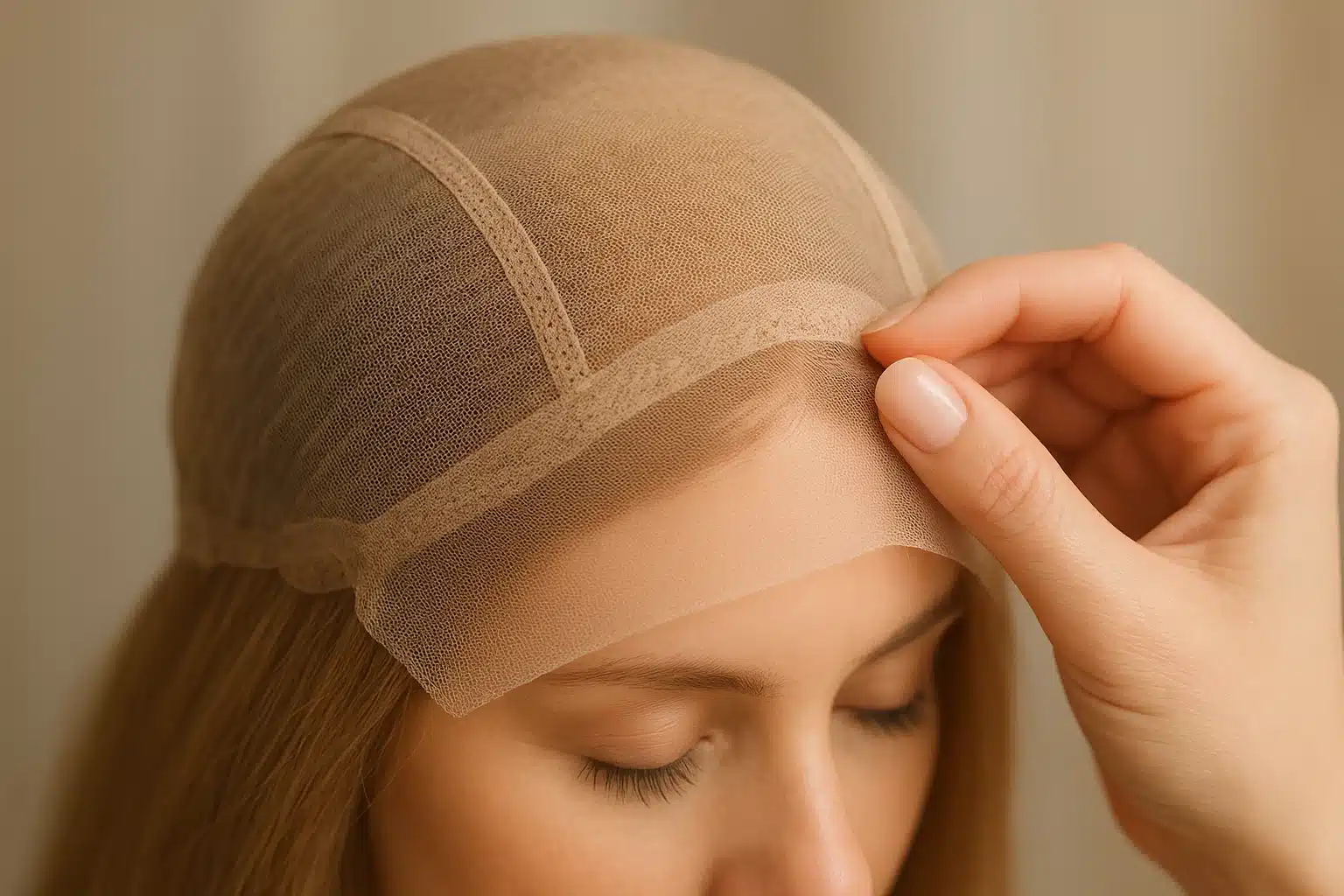
- Lace Front (The Hairline): This governs the front edge of the wig. Individual hairs are hand-knotted into a sheer lace mesh at the forehead, creating the illusion of hair growing directly out of your scalp. This allows you to pull the hair back away from your face naturally.
- Monofilament (The Scalp Illusion): This governs the crown and parting area. A fine, breathable micro-mesh fabric is used to mimic real skin. This allows you to part the hair in multiple directions. For those with highly sensitive scalps, upgrading to a double monofilament wig cap adds an extra layer of soft glass-silk to protect against friction from the hand-tied knots.
- Hand-Tied (The Overall Comfort): This governs the entire cap structure. Instead of sewing rows of hair (wefts) together, every single hair is individually tied to a soft, 4-way stretch mesh.
Navigating Cap Comfort: From Open Wefts to Medical-Grade Solutions
Depending on whether you are navigating medical hair loss, looking for a temporary protective style, or simply changing up your everyday fashion, your cap requirements will vary.
Basic / Machine-Wefted Caps
These are the most budget-friendly entry points. Hair is sewn into long strips (wefts), which are then assembled into a cap with spaces in between. They are incredibly durable and the open spacing allows for great air circulation. However, they lack the realistic scalp parting of more advanced caps.
100% Hand-Tied Caps
For chemotherapy patients or those with alopecia, 100% hand tied wigs are considered the gold standard. Because there are no rigid seams or thick wefts, the cap moves and stretches with your head. It is incredibly lightweight and provides the highest level of thermal comfort for Michigan’s fluctuating seasonal weather.
Texture Dynamics: How Hair Type Impacts Cap Visibility
Cap construction doesn’t exist in a vacuum; the texture of the hair attached to it plays a massive role in how natural the wig looks and feels.
For instance, sleek, straight synthetic fibers can sometimes lay very flat against a lace front, making the lace grid slightly more visible. Conversely, choosing a yaki wig (which mimics the micro-kinks of chemically relaxed natural hair) provides built-in volume at the root. This subtle root density naturally masks cap boundaries and lace grid lines without adding heavy, suffocating weight to the cap itself.
Your Grand Rapids Retail Map: Where to Find Specialty Caps
When it comes to sourcing high end wigs grand rapids mi shoppers have several excellent local options tailored to different needs. Browsing online is fantastic for education, but physical stores allow you to feel the cap stretch and test the lace tone against your skin.
- Breton Designer Wigs (Breton Rd SE): Known for a massive in-stock inventory of ready-to-wear pieces, this boutique offers private fitting rooms and chemotherapy discounts. It’s an ideal stop if you want to immediately compare a basic wefted cap against a hand-tied option.
- Trinity Health Boutique (Cherry St SE): If you are navigating medical hair loss, hospital-affiliated boutiques specialize in clinical fittings for what insurance companies call a “cranial prosthesis.”
- Hidden Secrets Wigs & Boutique Studios: Excellent for private, appointment-only environments where you can have a full medical consultation away from the bustle of standard retail.
The “Four-Finger” Fit Check
When trying on wigs locally, use the “Four-Finger Rule.” Place four fingers horizontally across your forehead, resting your pinky on your eyebrow. Your wig’s lace front should sit right where your index finger lands. If it sits lower, the cap may be too large; if it pulls back further, the cap is too small, which can cause tension headaches.
Hybrid Shopping: Online Research Meets Local Customization
The smartest modern shoppers use a hybrid approach: they educate themselves on cap mechanics online, utilize flexible financial options like Buy Now Pay Later (BNPL) platforms (such as Klarna or Afterpay) for high-end designer pieces, and then turn to local Grand Rapids salons for professional installation.
Local customization is key. A Grand Rapids stylist can bleach the knots on your lace front (making them invisible), pluck the perimeter for a perfectly custom hairline, or tailor the cap sizing for absolute security.
A Note on Medical Insurance: If you are shopping for medical reasons, ask your doctor for a prescription specifically written for a “cranial prosthesis”—not a “wig.” Many Kent County insurers will partially or fully reimburse the cost of a hand-tied or monofilament piece when it is properly categorized as medical equipment.
Frequently Asked Questions (FAQ)
What is the difference between a lace front and a monofilament wig?
They serve different purposes on the same wig. The lace front creates a natural, invisible hairline at the forehead, allowing you to style the hair off your face. The monofilament area (usually at the crown or part) creates the illusion of hair growing from the scalp, allowing you to part the hair naturally in various directions.
Which wig cap is best for a sensitive scalp?
A 100% hand-tied cap, especially one featuring a double monofilament top, is the best choice for a sensitive scalp. The absence of thick machine wefts and the soft, 4-way stretch material prevent friction and scalp irritation.
Do you need glue or tape for a lace front wig?
Not always! High-quality, ready-to-wear lace front wigs are designed to lay flat against the forehead using tension and adjustable straps at the nape. Glue or tape is only necessary if you are doing a semi-permanent installation or engaging in heavy physical activity.
Is a 100% hand-tied wig worth the extra money?
If you wear your wig daily or have complete hair loss, yes. The investment goes directly into the labor of hand-knotting thousands of individual hairs, resulting in a significantly lighter, more breathable, and more naturally moving hairpiece.
Next Steps on Your Hair Journey
Understanding wig cap construction transforms you from a confused shopper into an empowered buyer. You now know that lace fronts give you styling freedom, monofilaments give you natural parts, and hand-tied caps offer unmatched, breathable comfort.
Take this knowledge into your next consultation. Ask to see the inside of the caps. Stretch the materials. Feel the difference between a machine-wefted back and a hand-tied mesh. By combining a solid understanding of wig anatomy with the expertise of compassionate local professionals, you’re well on your way to finding a piece that doesn’t just look beautiful—it feels like it was made just for you.