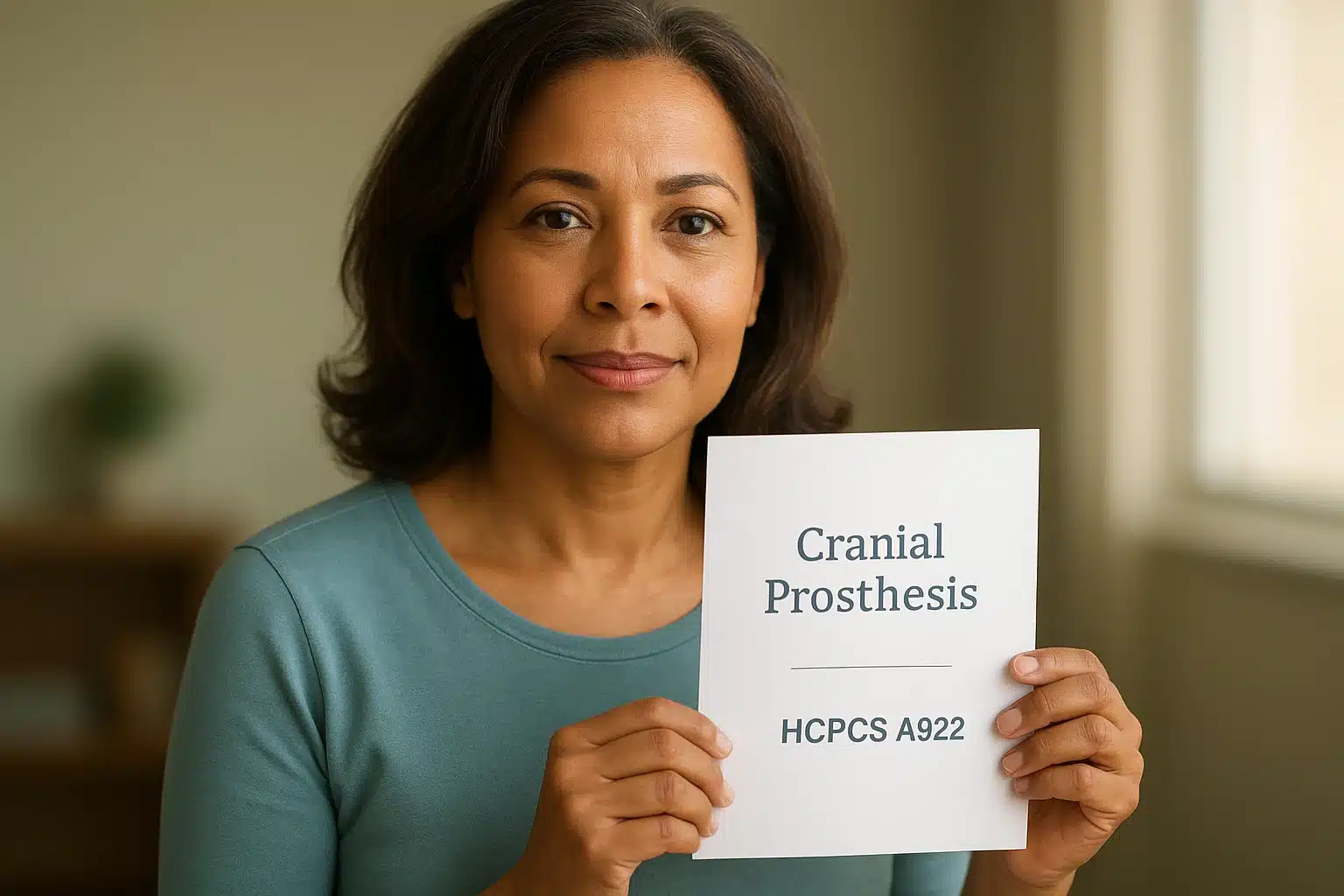
When navigating medically induced hair loss—whether from a chemotherapy regimen at Norton Cancer Institute, radiation therapy, or an autoimmune condition like alopecia areata—securing a high-quality hairpiece is far more than a vanity choice. It is a vital, deeply personal step in your psychological recovery and restorative health. Yet, for many patients in Kentucky, the intersection of medical billing, healthcare terminology, and finding the right local boutique creates an overwhelming administrative burden at a time when you should be focusing on healing.
Taking back control starts with knowing your options and understanding the system. By exploring the premier wig retailers and cranial prosthesis boutiques across Louisville, you can find the perfect baseline to match your clinical requirements with your personal styling needs. However, a generic receipt from a standard retail store won’t pass muster with health insurance companies. To get your expenses covered or reimbursed, you need a clear understanding of exactly how medical billing works for hair loss.
Let’s demystify the insurance process so you can secure the financial assistance you deserve.
The “Lethal Word” Trap: Why Terminology Matters
The most common reason insurance claims for medical hair loss are denied comes down to a single word: wig.
To the average person, a wig is exactly what you’re shopping for. But in the highly specific world of medical billing, the word “wig” designates a cosmetic fashion accessory. If an insurance adjuster sees “synthetic wig” or “human hair wig” on your doctor’s prescription or your store receipt, their system is trained to automatically reject the claim.
To transform this from a cosmetic expense into covered Durable Medical Equipment (DME), you must use the industry’s clinical terminology. Your doctor must prescribe a cranial prosthesis, hair prosthesis, or cranial hair unit. Understanding this subtle but critical difference is your first line of defense in the reimbursement process.
Translating Medical Jargon to Policy Approval
Securing insurance coverage requires a specific language of codes. When you approach your dermatologist or oncologist, you will need to ensure your paperwork includes the following critical elements:
- HCPCS Code A9282: This is the universal billing code for “Wig, any type, each.” Having this exact code on your documentation signals to your insurance company that you are claiming a recognized medical item.
- ICD-10 Diagnosis Codes: This code explains why you need the prosthesis. For example, your doctor might use L63.0–L63.9 for alopecia areata, Z85.3 for secondary neoplasms, or T45.1X5A to denote the adverse effects of antineoplastic (chemotherapy) drugs.
- NPI Number: Your prescribing physician’s National Provider Identifier must be clearly listed on your prescription and your Letter of Medical Necessity (LMN).
The In-Network DME Paradox: Medicare vs. Commercial Insurance
Many patients are frustrated to discover that they cannot simply walk into a local boutique, hand over their insurance card, and walk out without paying. This is because standard retail boutiques cannot bill commercial insurance directly unless they are enrolled as certified Durable Medical Equipment (DME) providers.
Because of this, the most common route for patients with commercial insurance (like Anthem BCBS KY, Humana, UnitedHealthcare, or Passport Health Plan by Molina) is the direct reimbursement claim model. You will typically pay upfront and submit an itemized claim for out-of-network DME benefits, which can yield anywhere from 80% to 100% reimbursement depending on your plan.
A Crucial Note on Medicare: If you are covered by standard Medicare Part A & B, it is important to know that cranial prosthetics are statutorily classified as non-covered. Countless patients waste months trying to appeal Medicare denials. Unless you have a specific Medicare Advantage (Part C) rider that covers alternative prosthetics, you will likely need to look toward charitable pathways or non-profit grants.
The 5-Stage Patient Action Plan for Reimbursement
Navigating health insurance doesn’t have to feel like a guessing game. Follow this five-stage blueprint to streamline your claim:
Stage 1: Pre-Purchase Policy Interrogation
Before shopping, call your insurance provider’s customer service line. Ask them directly: “Does my policy cover cranial prosthetics under my Durable Medical Equipment (DME) benefits? What is my out-of-network allowance, and do I need pre-authorization?”
Stage 2: The Clinical Prescription & LMN
Ask your treating physician for two things: a standard prescription for “Cranial Prosthesis” (including the HCPCS and ICD-10 codes mentioned above) and a formal Letter of Medical Necessity (LMN). The LMN should explicitly state that your hair loss is medical in nature and that the prosthesis is not for cosmetic purposes.
Stage 3: Sourcing in Louisville
When evaluating wig stores louisville ky, ensure the boutique can provide a formal, itemized medical invoice. A standard cash register receipt will be rejected. Your invoice must include the boutique’s Tax ID, the phrase “Cranial Prosthesis,” and ideally the HCPCS A9282 code.
Stage 4: Compiling and Submitting the Claim
Gather your prescription, LMN, itemized receipt, and your insurance provider’s specific CMS-1500 or member reimbursement claim form. Make copies of absolutely everything before submitting the packet to your insurance company.
Stage 5: Overcoming Rejections
If your claim is denied, don’t panic. Initial denials are incredibly common and often triggered by an automated system error (like a missing diagnosis code). Read your Explanation of Benefits (EOB) carefully, correct the clerical error, and submit a formal Level-1 appeal.
Louisville’s Local Support Ecosystem
Fortunately, Louisville is home to a compassionate and robust healthcare ecosystem equipped to support you through medical hair loss.
If you are seeking personalized, private fittings, local specialty boutiques such as The Wig Shoppe, Beauty Personified Hair Loss Clinic, and BeeStokesStyling are familiar with the emotional and practical needs of medical patients. They often offer private consultation rooms and custom cap constructions designed for sensitive scalps.
For those needing financial assistance or free alternative options, Louisville’s hospital-affiliated support hubs are incredible resources. The Norton Cancer Institute Resource Centers, UofL Health Brown Cancer Center, and Gilda’s Club of Kentuckiana frequently offer free wig banks, subsidized head coverings, and patient advocacy frameworks to support you.
Alternative Financial Pathways and Tax Deductions
If your insurance completely denies coverage for medical wigs, or if you are on standard Medicare, you still have excellent financial options:
- HSA & FSA Accounts: Because a cranial prosthesis is prescribed to treat a medical condition, you can typically use your Health Savings Account (HSA) or Flexible Spending Account (FSA) funds to purchase it tax-free.
- IRS Tax Deductions: Under IRS Section 213(d), out-of-pocket medical care expenses that exceed 7.5% of your Adjusted Gross Income (AGI) can be deducted on your federal taxes. Keep your LMN and receipts safely filed for tax season.
- National Grant Programs: Organizations like EBeauty, CancerCare, and the American Cancer Society offer financial assistance, grants, and high-quality refurbished prosthetics to patients in need.
Frequently Asked Questions (FAQ)
Does health insurance cover wigs for cancer patients or alopecia in Kentucky?
Yes, many commercial insurance plans cover them, but they refer to them strictly as a “cranial prosthesis.” Coverage usually falls under your Durable Medical Equipment (DME) benefits, not standard medical care, and policies vary widely regarding coverage limits.
What is a cranial prosthesis, and why does my doctor have to write it that way?
A cranial prosthesis is a custom-made hairpiece specifically designed for patients with medical hair loss. The cap construction is often softer and made to protect sensitive, bare scalps. Doctors must use this specific terminology because insurance companies classify “wigs” as cosmetic, and they will only pay for medical necessities.
Can a wig store in Louisville bill my insurance directly, or do I have to pay upfront?
Unless the store is a certified in-network DME provider with your specific insurance carrier, you will likely have to pay upfront. You then submit the itemized medical receipt along with your doctor’s prescription for direct reimbursement.
Why did Anthem or Humana deny my claim, and how do I fix it?
Claims are most often denied due to improper terminology (the receipt said “wig”), missing billing codes (forgot the HCPCS A9282), or lacking a Letter of Medical Necessity. Review the denial reason, ask your physician or the boutique to adjust the verbiage on your paperwork, and file an appeal.
Taking Your Next Steps
Experiencing medical hair loss is challenging enough without having to become an overnight expert in insurance billing. By understanding the language adjusters use, gathering the right documentation from your Louisville healthcare team, and partnering with informed local boutiques, you can effectively advocate for the coverage you deserve.
Remember, you are not navigating this journey alone. Lean on your local Louisville oncology navigators and community support groups, and take things one step at a time. The right cranial prosthesis isn’t just about appearance—it’s an essential tool in reclaiming your confidence and focusing your energy where it belongs: on your wellness and recovery.