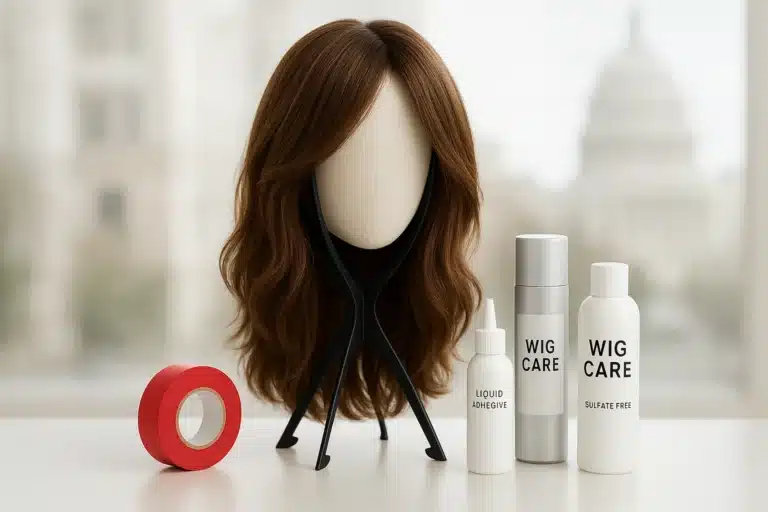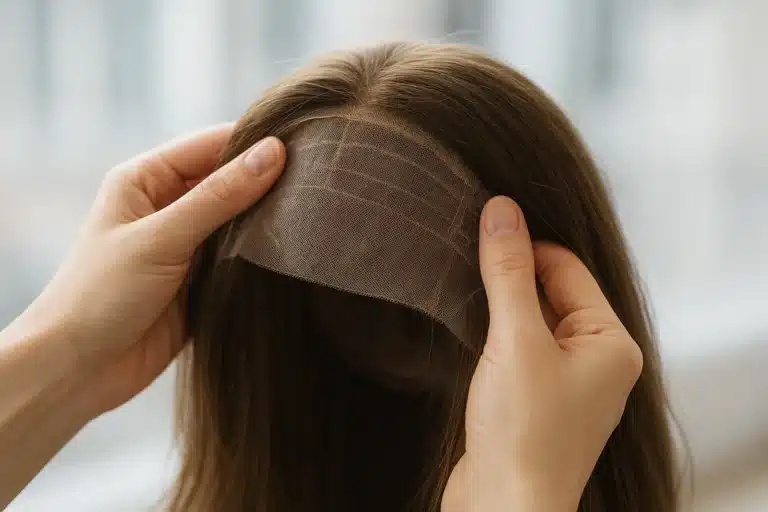
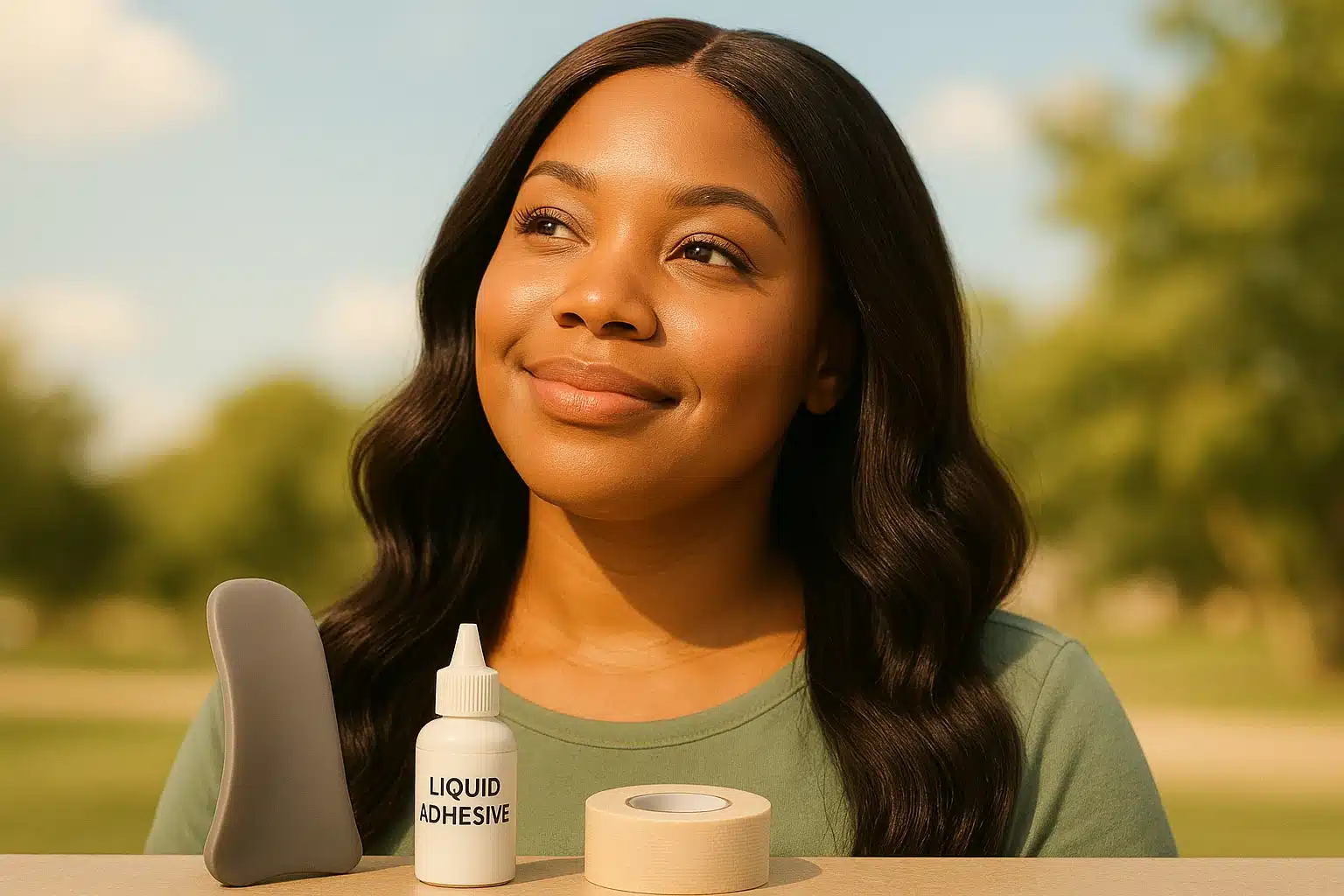
Picture this: You are enjoying a beautiful July afternoon strolling down the San Antonio River Walk. Your outfit is perfect, and your hair looks absolutely flawless. But as the 95-degree Texas heat and 80% humidity set in, a familiar, nagging anxiety starts creeping up at your hairline. Is my wig lifting?
When you are exploring hair enhancement solutions across South Texas, finding the ideal headpiece is only half the journey. Our comprehensive guide to the best wig stores in San Antonio, TX can help you source premium human hair and synthetic units, but keeping that unit flawlessly and comfortably attached through a Texas summer is where true wearability begins.
Navigating the local retail landscape for adhesives, medical tapes, and friction bands can feel overwhelming. If you bounce between boutiques near the South Texas Medical Center, salons off Loop 1604, and beauty suppliers along San Pedro Avenue, you will likely encounter conflicting advice. Let’s bridge the gap between chemical hold mechanics, Texas climate stress-testing, and sensitive scalp preservation so you can wear your hair with absolute confidence.
The Zero-Damage Foundation: Anatomy of a Safe Installation
Before applying any securement product, you must start by protecting what is underneath. A common blind spot in the wig community is traction alopecia—hair loss caused by constant pulling and mechanical tension along the frontal perimeter.
Your securement strategy must align with your unique scalp condition:
- Total Medical Hair Loss: Individuals navigating alopecia or oncology treatments need securement that relies on gentle tension, medical-grade silicones, or hypoallergenic barriers to protect sensitive, bare skin.
- Protective Styling: If you are wearing a wig over natural cornrows or braids, your priority is shielding your biological edges from adhesive tearing.
- Fine Biological Hair: Those with thinning hair must avoid aggressive acrylic adhesives that could inadvertently pull out fragile follicles during removal.
For those unsure of how to build this protective foundation, understanding the purpose of a wig cap versus a specialized grip band is your critical first step toward a zero-damage installation.
The Securement Spectrum: Which Method is Right for You?
Shoppers often feel paralyzed when selecting hardware. Let’s demystify the three main families of wig securement.
1. The Friction Family (Zero-Chemical Hold)
If you want to bypass chemicals entirely, friction bands are your best friend. A high-quality wig grip uses either directional crushed velvet or medical-grade silicone to keep your unit in place. Velvet levers micro-directional friction against biological hair or stocking caps, making it excellent for daily wearers who remove their wigs at night. Silicone bands use mild tension and vacuum suction, making them the ultimate choice for smooth scalps affected by hair loss.
2. The Tape Family (Pressure-Sensitive Securement)
Double-sided medical tapes are fantastic for polyurethane (PU) perimeters and offer an incredibly clean application. They range from thin, delicate lace-front tapes to heavy-duty extended-wear rolls. If you are exploring hairpiece adhesives for a localized hair topper or a specific balding area, hypoallergenic tapes like the 1522 Clear series offer reliable security without the messy liquid cleanup.
3. The Liquid Adhesive Family (Water vs. Acrylic)
Here is where the internet gets it wrong: Styling gel is not wig glue. A widespread myth normalizes using extreme-hold styling gels (like Got2b Glued) for lace installations. But styling gel is water-soluble; the moment your eccrine glands start producing sweat in the Texas heat, the gel dissolves.
True cosmetic liquid adhesives fall into two categories:
- Water-Based Co-Polymer Emulsions: (e.g., Ghost Bond). These cure via moisture evaporation to create a flexible, sweat-resistant elastomer. They are generally safer for delicate lace.
- Solvent-Based Acrylic Adhesives: (e.g., Walker Ultra Hold). These offer maximum 4-week holds but require careful patch-testing, as the acrylic monomers can trigger contact dermatitis in sensitive individuals. If your skin is easily irritated, sourcing a hypoallergenic wig glue is a non-negotiable step.
The Texas Climate Protocol: Installing for Heat and Humidity
Standard online tutorials rarely account for San Antonio’s humid subtropical climate. To prevent your lace from lifting at the temples after just three hours outdoors, follow this specialized regional protocol:
- Purification and Degreasing: Start with isopropyl alcohol to remove surface oils. Pro tip: 70% alcohol is gentler for delicate or post-chemotherapy skin, while 91% alcohol is better for stripping stubborn lipids on oily skin types.
- The Polymeric Scalp Barrier: Never apply adhesive directly to a bare, sweating scalp. A liquid scalp protector forms a cross-linked shield over your skin, blocking sweat and sebum from breaking down your glue while simultaneously preventing skin irritation.
- Micro-Layering (The Flash Cure): Beginners often assume one thick layer of glue provides the strongest hold. False. Thick layers trap moisture, creating a gummy, milky mess that turns white against your lace. Instead, apply 2 to 4 paper-thin coats. Wait for each coat to dry from a wet milky white to a tacky, crystal-clear finish before adding the next.
- Tensionless Pressing: Gently roll the lace into the clear adhesive. Do not pull or stretch the lace tightly, as this creates tension that will aggressively pull at your skin later.
- The Melt Band: Wrap an elastic band around the perimeter for 15 minutes to compress the lace into the cured adhesive, creating that flawless “melted” scalp illusion.
The Mastery of Removal: Saving Your Lace and Edges
Tearing off a glued wig is the fastest way to ruin expensive Swiss lace and permanently damage your hair follicles. The golden rule of removal is: Solvent first, tension second. Never tension first.
To dissolve the polymer network without ripping baby hairs, you need the right solvent. Citrus-based solvents (terpenes, like C-22) are incredibly effective at emulsifying heavy acrylic adhesives, while alcohol-based removers work well for lighter water-based glues. Spray the solvent directly through the lace, wait 2 to 5 minutes, and let the chemistry do the work. The wig should slide off effortlessly.
Where to Find Securement Accessories Locally in San Antonio
While buying online offers the widest selection, sometimes you need supplies immediately. The San Antonio market is somewhat fragmented, but here is how to navigate it:
- Medical Hair Loss & Sensitive Scalp Boutiques: If you need dermatologically safe products, specialized scalp protectors, or silicone grips, visit medical boutiques like Skin & Wigs on Fredericksburg Rd or localized beauty brand shops near Loop 1604. These retailers typically stock gentler, medical-grade securement.
- High-Volume Supply Hubs: For professional-grade liquid adhesives, C-22 solvents, and tape rolls, large supply warehouses like Daily Beauty Supply on San Pedro Ave or B&P Beauty & Wig on Walzem Rd offer extensive inventories.
- Professional Stylist Hubs: If you are visiting a licensed cosmetologist for a professional installation near NW Loop 410, always ask them beforehand whether they use water-based or acrylic adhesives, and request a patch test if you have sensitive skin.
Beginner’s Troubleshooting Matrix
Even with the best products, there is a learning curve. Here is how to fix common hiccups:
- Issue: The glue turned white and crusty under my lace.Cause: You laid the lace down while the glue was still wet. Always wait until the adhesive flashes completely clear and tacky.
- Issue: My wig lifts at the temples as soon as I go outside.Cause: Lack of a scalp protector or inadequate skin degreasing. Sebaceous oils mixed with the glue before it fully cured.
- Issue: My skin is red and itchy after removal.Cause: You may be experiencing irritant contact dermatitis. Switch to a hypoallergenic adhesive, ensure you are using a scalp barrier film, and thoroughly wash all solvent residue off your skin after removal.
Frequently Asked Questions (FAQ)
Can I just use edge control or styling gel instead of actual wig glue?
For a quick photo or a few hours indoors, yes. But for all-day wear, especially in San Antonio’s humidity, styling gels will re-liquefy the moment you sweat. Cosmetic wig adhesives are necessary for water-resistant, flexible, multi-day holds.
How do I clean sticky adhesive residue out of delicate Swiss lace?
Do not aggressively scrub the mesh, as this can oxidize and loosen the hand-tied knots. Create a “lace bath” by soaking the perimeter in a citrus solvent, then gently glide a soft microfiber towel or a soft-bristled toothbrush in one direction to roll the emulsified glue off the lace.
Will wig adhesive rip out my natural hairline?
It will only cause damage if removed improperly. As long as you thoroughly saturate the area with an appropriate adhesive remover and wait for the bond to fully break down before lifting, your natural edges will remain perfectly safe.
Continuing Your Educational Journey
Finding the right securement method is a deeply personal process that transforms wearing a wig from an anxious experience into a truly liberating one. Whether you are leaning toward the zero-chemical comfort of a high-quality grip band or the unshakeable security of a water-resistant liquid adhesive, knowledge is your best defense against bad hair days.
At Wig Superstore, we believe that education and compassionate care are the cornerstones of a beautiful hair journey. Take the time to experiment with these techniques, prioritize the health of your scalp, and you will find the perfect balance of comfort and security to conquer the Texas heat.