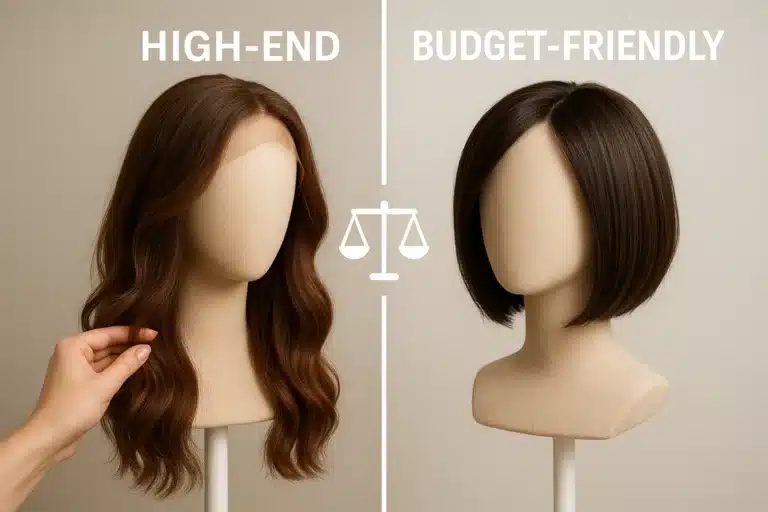
Los Angeles is often heralded as the “Wig Capital” of the West Coast, a sprawling metropolis where Hollywood’s demand for high-end prosthetics collides with a massive wholesale beauty sector. For the uninitiated, stepping into this world can be overwhelming. You might find yourself standing in a crowded shop in the Fashion District, surrounded by floor-to-ceiling stacks of hair, wondering why one box costs $30 and the one next to it costs $300. The secret to navigating this landscape isn’t just about knowing where to drive; it’s about understanding the mechanics of hair itself.
The city offers a unique opportunity to find incredible value, but only if you know how to separate the gems from the plastic. When navigating the vast landscape of budget hair options, finding your perfect match among the best wig stores in Los Angeles requires a balance between cost-efficiency and material quality. Whether you are browsing the wholesale hubs of Santee Alley or checking clearance racks at established boutiques, the goal is to find a piece that doesn’t just fit your budget, but also fits your life.
The Tale of Two Districts: Retail vs. Wholesale
To find affordable wigs in Los Angeles, you first need to understand the geography of the market. The city is essentially split into two different shopping experiences, and knowing the difference can save you time and money.
The Fashion District (Santee Alley & Main St.)
Downtown Los Angeles, specifically the area around Santee Alley, is famous for its open-to-the-public wholesale vibe. Here, you will encounter “fast fashion” hair.
- The Pro: The prices are often unbeatable. You can find synthetic units for under $50 that look decent at first glance.
- The Con: These environments are often high-pressure and “final sale.” There is rarely a chance to try things on with privacy, and return policies are virtually non-existent.
- The Nuance: Many stores here operate as wholesalers. If you are buying a single unit, you pay retail. However, this is one of the few places where haggling is culturally acceptable if you are purchasing bundles or multiple accessories.
The Boutique Clearance Rack
On the other side of the spectrum are established wig salons in areas like Wilshire or the Westside. While their sticker prices are higher, seasoned shoppers know that these locations often hold semi-annual clearance events to rotate inventory.
- The Pro: You are buying high-quality brands (like Jon Renau or Raquel Welch) at a discount. The fiber quality is guaranteed.
- The Con: Selection is limited to what is left over. You have to be patient and check back often.
The Science of “Cheap”: Fiber Analysis 101
The biggest mistake budget shoppers make is looking at the style before looking at the fiber. A wig can have a beautiful cut, but if the fiber quality is poor, it will tangle and shine like plastic within two wears.
Understanding Denier and Shine
“Denier” refers to the thickness of the individual hair strand.
- Low-Quality Synthetics: Often have a high denier (thick strands) which makes them durable but unrealistic. They reflect too much light, resulting in that tell-tale “doll hair” shine.
- Quality Budget Synthetics: Look for fibers labeled as “low denier” or “matte finish.” These mimic the texture of biological hair.
The “Heat-Friendly” Trap
In discount stores, you will see many boxes labeled “Heat Resistant.” While this sounds like a premium feature, it requires a specific maintenance routine. Heat-friendly fiber is essentially a very fine plastic that can withstand styling tools, but it is prone to friction frizz—meaning the hair at the nape of the neck can clump together quickly if not cared for properly.
Strategies for Vetting Quality in the Wild
If you find yourself in a discount store without the guidance of a professional stylist, you need to be your own expert. Use these techniques to vet a wig before you buy.
The 4-Finger Rule
Beginners often wear their wigs too low, which is a dead giveaway that it’s a hairpiece. A wig should sit approximately four fingers’ width above your eyebrows. If you are trying on a budget wig and the cap construction forces it to sit lower to cover your hairline, the cap is likely too large or poorly constructed.
The Cap Construction Check
Turn the wig inside out.
- Closed Weft (Standard): Most budget wigs have rows of hair sewn onto strips of fabric. This is durable but can be hot and itchy.
- Breathability Test: Stretch the cap against the light. If you can’t see light through the wefts, your scalp won’t be able to breathe. In the LA heat, a dense, cheap cap can become uncomfortable in minutes.
The Hidden Costs of Budget Shopping
One of the most important lessons in wig economics is calculating the “Cost-Per-Wear.” A $40 wig from a downtown bargain bin might seem like a steal, but it often comes with hidden costs that experienced wearers know all too well.
The Maintenance Gap
To make a budget wig look like a high-end unit, you need products.
- Silicone Spray: Essential for detangling synthetic fibers without snapping them.
- Dry Shampoo or Baby Powder: A necessary hack to dull the shine of cheap synthetic fibers.
- Wig Grip Band: Cheaper wigs often lack the velvet nape or adjustable straps of premium brands, requiring you to buy a grip to keep it secure.
When you add up these accessories, that $40 wig might actually cost you $80 to maintain for a month. Sometimes, investing slightly more upfront in a higher-quality brand saves money on maintenance products in the long run.
FAQ: Your Budget Wig Questions Answered
How can I make a cheap wig look less “wiggy”?
The two biggest giveaways are the hairline and the density. Budget wigs are often over-density (too much hair). You can take the wig to a stylist to have it thinned out with shears. Additionally, plucking the part line to make it wider and applying a little concealer that matches your skin tone can make the scalp look realistic.
Is it safe to buy “human hair” for under $100?
Proceed with extreme caution. In the wholesale districts, you may see wigs labeled “100% Human Hair” for surprisingly low prices. These are often “human hair blends” (mixed with heat-resistant synthetic) or lower-quality hair that has been heavily processed. While they can look great for a short time, they rarely have the longevity of premium human hair.
Can I return a wig if I bought it on sale?
In almost all cases, wigs—especially those from discount bins or wholesale outlets—are final sale due to hygiene regulations. This is why understanding fit (measuring your head circumference) and fiber quality is crucial before you hand over your cash.
Next Steps in Your Journey
Finding an affordable wig in Los Angeles is a rite of passage. It teaches you to look beyond the label and understand the craftsmanship of the hair itself. Whether you are hunting for a fun weekend look in the Fashion District or waiting for a seasonal sale at a reputable retailer, the key is education.
By prioritizing fiber quality and cap fit over just the price tag, you transform from a shopper into a connoisseur. Remember, the goal isn’t just to cover your head—it’s to express yourself confidently, regardless of the budget.