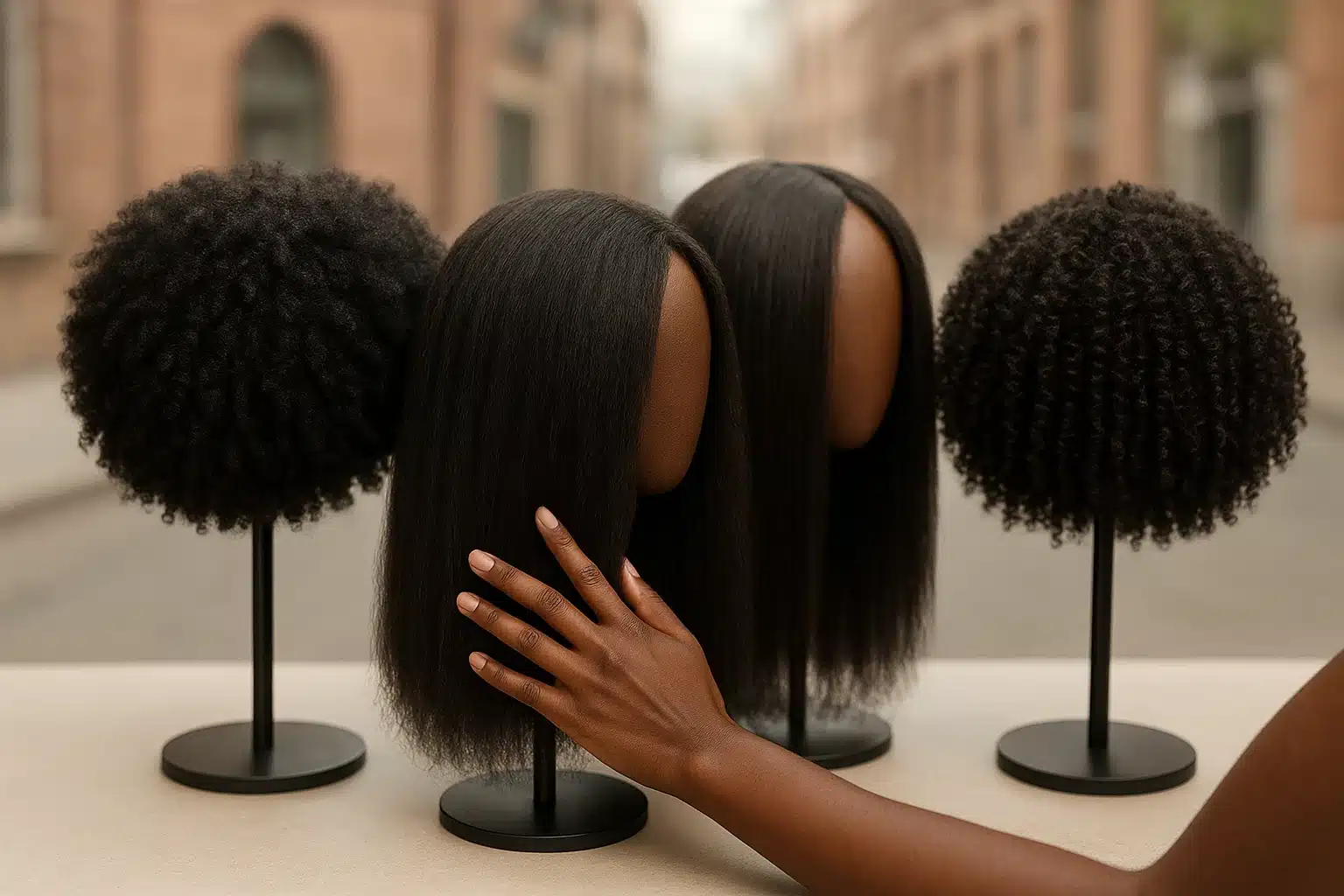
Imagine walking into a beauty supply store hoping to find a wig that matches your natural 4C curl pattern, only to be met with endless walls of “silky straight” bundles. If you’ve experienced hair loss, are dealing with thinning edges, or are simply looking for a beautiful protective style, this scenario is all too familiar. Finding the right texture isn’t just about aesthetics; it’s about identity, comfort, and feeling beautifully like yourself again.
While online shopping offers unmatched convenience, there is an undeniable “feel factor” when it comes to textured hair. You need to touch the strands, inspect the lace against your skin tone, and see how the density moves in the light. For those navigating the city’s scattered beauty landscape, tracking down the best wig stores in Boston, MA that actually carry authentic coily, kinky, and yaki textures can feel like searching for a needle in a haystack. Let’s translate the science of hair textures and map out exactly where to find them in the Greater Boston area.
Texture 101: Decoding Yaki, Kinky, and Coily
Before you step foot onto Blue Hill Avenue or Washington Street, it helps to know exactly what you’re asking for. Generic guides often lump all Black hair textures together, but the industry uses specific terminology to describe the scale of kinkiness and curl patterns.
Yaki: The Relaxed Look
Yaki (often pronounced yah-kee) mimics the texture of chemically relaxed Afro-Caribbean hair. It is straight, but it features a micro-texture that gives it a thicker, more voluminous appearance than bone-straight European hair. Think of it as your hair freshly flat-ironed—it has fluid movement, but still retains a natural, undeniable grip and richness.
Kinky Straight: The Fresh Blowout
If you love the look of natural hair that has been blown out with a hairdryer but not flat-ironed flat, kinky straight is your go-to. It is significantly fuller and beautifully textured, mimicking natural hair that is stretching its legs. This texture is incredibly popular because it blends seamlessly if you plan to leave some of your own natural edges out.
Coily (Type 4): Natural Shrinkage
Coily wigs represent the tightly wound, beautiful zig-zags of Type 4 hair (4A, 4B, and 4C). These wigs celebrate natural shrinkage and incredible volume. Because these curls are delicate and highly specific, seeing a coily wig in person is crucial to ensure the curl pattern aligns with what you’re comfortable managing.
The Boston Texture Map: Neighborhood Nuances
Boston’s wig market isn’t confined to a single downtown shopping district. Instead, the most authentic wig shops and local boutiques are embedded in the city’s historic and culturally rich neighborhoods. Instead of relying on fragmented online reviews, use this local neighborhood guide to target your shopping based on your texture goals.
Dorchester & Mattapan: The Blue Hill Ave Corridor
If you are looking for sheer variety, the Blue Hill Avenue corridor—stretching from Grove Hall down to Mattapan Square—is a goldmine. Often referred to by locals as part of the “Three Squares” (along with Dudley/Nubian), this area houses several large beauty supplies like BSW Beauty, as well as premium boutiques like Indique.
The Local Strategy: Head to the Mattapan area if you are looking for everyday synthetic coily wigs or quick, accessible protective styles. If you’re hunting for premium, high-end virgin human hair (like a flawless kinky straight bundle), the specialty boutiques in Dorchester offer a more consultative, high-end experience.
Roxbury & The South End: The Historic Hub
Around Washington Street and the Nubian Square area, you’ll find long-standing establishments like Wig World. These legacy shops are excellent for foundational styles and are highly reliable for yaki textures. While they might have a more traditional layout, the staff in these historic hubs usually possess decades of experience and offer compassionate guidance for beginners navigating hair loss.
The Art of the Natural Look: Lace Blending and Maintenance
Finding the right texture is only half the journey. Making it look like it’s growing directly from your scalp is where the real magic happens.
Mastering the Lace for Darker Skin Tones
Beginners are often terrified of the dreaded “ghostly” lace—a stark, pale grid sitting atop rich melanin. When shopping at a Boston wig store, ask the staff to show you the difference between standard Swiss lace and HD (High Definition) lace. HD lace is significantly thinner and melts seamlessly into deeper skin tones. If a shop only carries lighter lace, ask if they stock lace tinting sprays or powders to help you customize the match at home.
The “Four-Finger Rule” and Density Hacks
To make a store-bought wig look custom-made for your face, apply the “Four-Finger Rule.” Place four fingers horizontally flat across your forehead, starting just above your eyebrows; your wig’s hairline should generally begin right above your top finger to look natural.
Additionally, many wigs come too dense (thick) at the front. Don’t be afraid to ask your local stylist about “plucking”—a technique where hair is carefully tweezed from the wig’s hairline to mimic a natural, gradual growth pattern.
Combating the Matting Issue
A common challenge with kinky and coily textures is their propensity to matte or tangle at the nape of the neck. Because these textures have microscopic ridges, friction from heavy winter coats (a Boston staple!) can cause severe tangling. Look for shops that sell specialized detangling serums formulated specifically for textured wigs, and always use a wide-tooth comb starting from the ends, gently working your way up to the root.
3 Questions to Ask Your Boston Wig Shop Owner
When you walk into a local wig shop, empower yourself with the right questions. Whether you’re in Roxbury or Mattapan, a reputable, compassionate shop owner will be happy to answer these:
- “Can I feel the hair out of the packaging?” Touching the hair is crucial to assess the true softness and density of kinky or yaki styles.
- “What type of lace is this, and do you carry tints for my skin tone?”
- “Is this texture human hair, a synthetic blend, or a heat-friendly synthetic?” This answer dictates exactly how you can wash, style, and maintain the wig later.
Frequently Asked Questions (FAQ)
Q: What is the main difference between Yaki and Kinky Straight?
A: Yaki mimics hair that has been chemically relaxed and flat-ironed, offering a sleek look with slight, natural thickness. Kinky straight mimics natural, unrelaxed hair that has been blown out—it has much more volume and a highly visible, micro-crimped texture.
Q: Are there stores in downtown Boston that specialize in Afro-textures?
A: While downtown Boston has a few beauty suppliers, the most extensive and authentic selections for Afro-textured wigs are found in historic Black neighborhoods like Dorchester, Roxbury, and Mattapan.
Q: How do I prevent a coily wig from looking too “wiggy”?
A: The secret lies in the density and the part. Plucking the part to make it slightly wider and using a lace tint to match your scalp color will instantly elevate the look. Also, gently fluffing the curls with your fingers rather than a brush keeps the coils defined but natural.
Q: Can I use regular shampoo on a kinky human hair wig?
A: It is highly recommended to use sulfate-free, moisture-rich shampoos. Kinky and coily textures are prone to dryness because the tight curl pattern makes it harder for moisture to travel down the hair shaft. Treat it gently, with deep conditioners, just as you would natural hair.
Next Steps on Your Wig Journey
Navigating the world of wigs—especially when dealing with the deeply personal journey of hair loss or a style transition—can feel overwhelming at first. But armed with an understanding of texture terminology, from the relaxed flow of yaki to the beautiful, unapologetic volume of a 4C coily unit, you are now equipped to explore your local shops with confidence.
Remember, finding the right piece is a process of discovery. Take your time, visit the shops along the Blue Hill Ave corridor or in Nubian Square, and trust your hands to tell you what feels right. When you find a texture that makes you look in the mirror, smile, and recognize yourself again, you’ll know you’ve found the one.