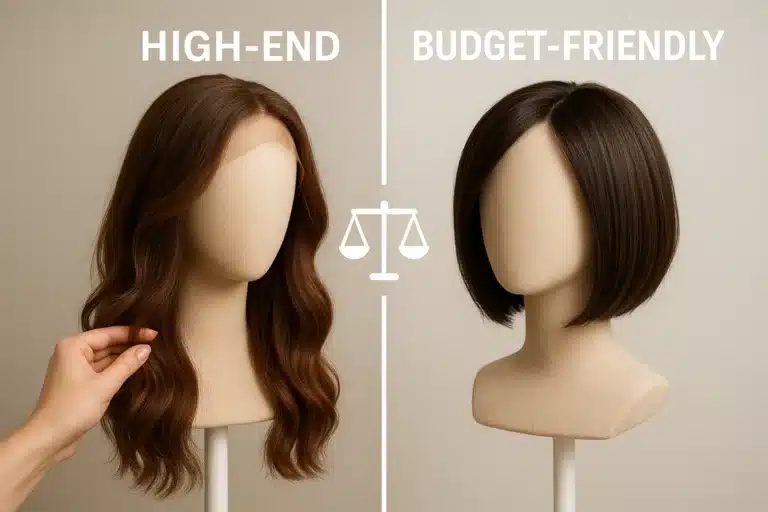
Stepping into the world of alternative hair can feel overwhelming, especially when you realize the vast difference between a quick $50 beauty supply piece and a high-end designer wig. For discerning shoppers in Essex County, this journey is rarely just about vanity. It’s deeply personal—often driven by medical hair loss, alopecia, chemotherapy, or simply the desire for a flawless, undetectable everyday look. If you’re on this path, you quickly discover that not just any local cosmetic shop will carry the quality you deserve.
Navigating this specialized landscape requires a strategic approach. Many shoppers rely on an ultimate guide to the best wig stores in Newark, NJ to cut through the noise and find reputable local boutiques. But before you step foot in a salon or book a private fitting, it’s vital to understand exactly what makes a designer piece worth the investment. By learning how to decode advanced cap technologies and identifying which designer brands fit your lifestyle, you can transform a daunting shopping trip into an empowering experience.
The “3-Pillar Undetectability Formula”: What Sets Luxury Apart
A common question first-time buyers ask is: “Why does a designer wig cost anywhere from $400 to over $3,000?”
The answer lies in engineering. High-end alternative hair doesn’t look like a wig; it looks like hair growing directly from your scalp. This magic is achieved through three specific pillars of craftsmanship:
- Root Hairline Realism: Luxury pieces utilize ultra-sheer, welded lace fronts. Each hair is individually hand-tied to this delicate lace, mimicking the gradual, uneven density of a biological hairline. You can sweep the hair off your face, and no one will see a harsh edge.
- Scalp Illusion & Directionality: Premium caps feature a “monofilament” top or part. This is a micro-mesh material that is nearly transparent, allowing your natural skin tone to show through. When you part the hair, it looks exactly like a real human scalp.
- Weight & Fiber Density: Lower-quality wigs often suffer from “helmet hair” because they are over-dense and heavily wefted. High-end brands use a realistic 100% to 130% natural hair density, giving you a featherweight feel that moves with the breeze.
Exploring the Premium Designer Landscape
When searching for the best wig brands, you will encounter a few legendary names. Each manufacturer has its own unique aesthetic personality and proprietary technology.
Jon Renau: The Innovator of Realism
Jon Renau is famous for its SmartLace™ technology and meticulously crafted Remy human hair options. Their caps are known for being exceptionally lightweight, and their French-drawn techniques ensure that hair moves fluidly. They are an ideal choice if you prioritize top-tier, natural movement and seamless hairlines.
Raquel Welch (HairUWear): Salon-Ready Glamour
If you want a silhouette that looks like you just stepped out of a high-end salon, Raquel Welch is the gold standard. They revolutionized the industry with their Memory Cap® III (which memorizes the shape of your head for a custom fit) and their Tru2Life® heat-friendly synthetic fibers, allowing you to use curling irons and straighteners just like real hair.
Envy (Alan Eaton): The Hybrid Pioneer
Envy bridges the gap between synthetic affordability and human hair luxury. They are best known for Envyhair—a unique blend of 70% heat-resistant synthetic fiber and 30% real human hair. If you want the styling versatility of human hair with the “baked-in” style memory of synthetics, capturing that signature envy look is an excellent middle ground.
Ellen Wille: European Elegance and Comfort
Designed in Europe, Ellen Wille pieces are celebrated for their modern cuts and lower, incredibly realistic hair densities. They engineer some of the most comfortable wigs for sensitive scalp conditions, using velvety ear tabs and 100% hand-tied bases that prevent friction against bare skin.
The Reality of Local Shopping in Essex County
There is a distinct “Boutique vs. Urban Beauty Supply” reality in Newark and the greater Essex/Bergen corridor. If you walk into a standard beauty supply store, you will likely find synthetic novelty wigs meant for quick fashion changes. They generally do not carry certified designer collections from brands like Jon Renau or Ellen Wille.
To find high-end brands, you must seek out specialized, authorized boutique salons. These spaces offer a vastly different experience:
- Private Consultation Rooms: Essential for those experiencing medical hair loss who desire privacy.
- Professional Customization: A designer wig often needs a “haircut.” Certified stylists can use thinning shears to remove bulk, trim the lace front to perfectly match your forehead contour, and steam-train the hair away from your face.
- Proper Sizing: Boutiques will take your 6-point head measurement to ensure you are fitted properly for a petite, average, or large cap, preventing the wig from shifting or causing headaches.
Navigating Medical Insurance in New Jersey
If you are losing your hair due to chemotherapy, alopecia, or another medical condition, your designer wig is not just an accessory—it is a medical necessity. However, insurance companies do not use the word “wig.”
To successfully secure reimbursement in New Jersey (through providers like Horizon BCBS, Aetna, or Medicare), you must ask your dermatologist or oncologist to prescribe a cranial prosthesis.
The Insurance Blueprint:
- Request a prescription for a “Cranial Hair Prosthesis.”
- Ensure your doctor includes the specific diagnosis code (e.g., Alopecia Areata) and the HCPCS billing code A9282.
- Have your specialized wig boutique write up an itemized receipt using that exact same terminology.
- Submit the prescription and the receipt to your insurance company’s medical claims department, not the pharmacy department.
Protecting Your Investment: Fiber Longevity
Whether you invest $500 in a heat-friendly synthetic or $2,500 in 100% Remy human hair, proper maintenance is the only way to protect your investment.
One of the biggest challenges wearers face is “nape rub”—friction-induced frizz at the back of the neck caused by collars and body heat. This is especially prevalent in heat-friendly synthetics. To combat this, you need to understand proper synthetic wig care, which includes using specially formulated detangling sprays, wide-tooth combs, and gentle washing cycles in cold water. Traditional human hair products will actually strip and ruin synthetic fibers, so always use brand-recommended care lines.
Frequently Asked Questions (FAQ)
What is the difference between a lace front and a monofilament cap?
A lace front refers exclusively to the hairline at the forehead, creating an invisible transition between the wig and your skin. A monofilament cap refers to the top or crown of the head, creating the illusion of natural hair growth from the scalp when the hair is parted. The most realistic designer wigs feature both.
How do I know what size cap I need?
Your best bet is a professional boutique fitting, but you can measure at home. Use a soft measuring tape to measure the circumference of your head (following your hairline around the nape of your neck). Average caps fit a circumference of 21.5 to 22.5 inches. Designer wigs also feature adjustable Velcro or hook tabs at the nape, giving you up to an inch of customizable leeway.
Will heat-friendly synthetic hair last as long as human hair?
Generally, no. Heat-friendly synthetic fibers offer amazing styling versatility and hold their shape beautifully in the rain or humidity. However, due to friction and heat degradation over time, they typically last 4 to 6 months with daily wear. A well-cared-for human hair wig can last 12 months or longer.
Next Steps on Your Hair Journey
Transitioning into alternative hair is a journey of reclaiming your confidence. Now that you understand the mechanics behind designer brands, the science of cap construction, and the nuances of medical insurance, you are fully equipped to make an informed decision.
As you prepare to explore local options in the Newark area, take a moment to measure your head circumference, gather your medical documentation if applicable, and begin browsing the aesthetic profiles of luxury brands to see which styles speak to you. Armed with this knowledge, you won’t just be buying hair—you’ll be investing in a beautifully tailored, undetectable extension of yourself.