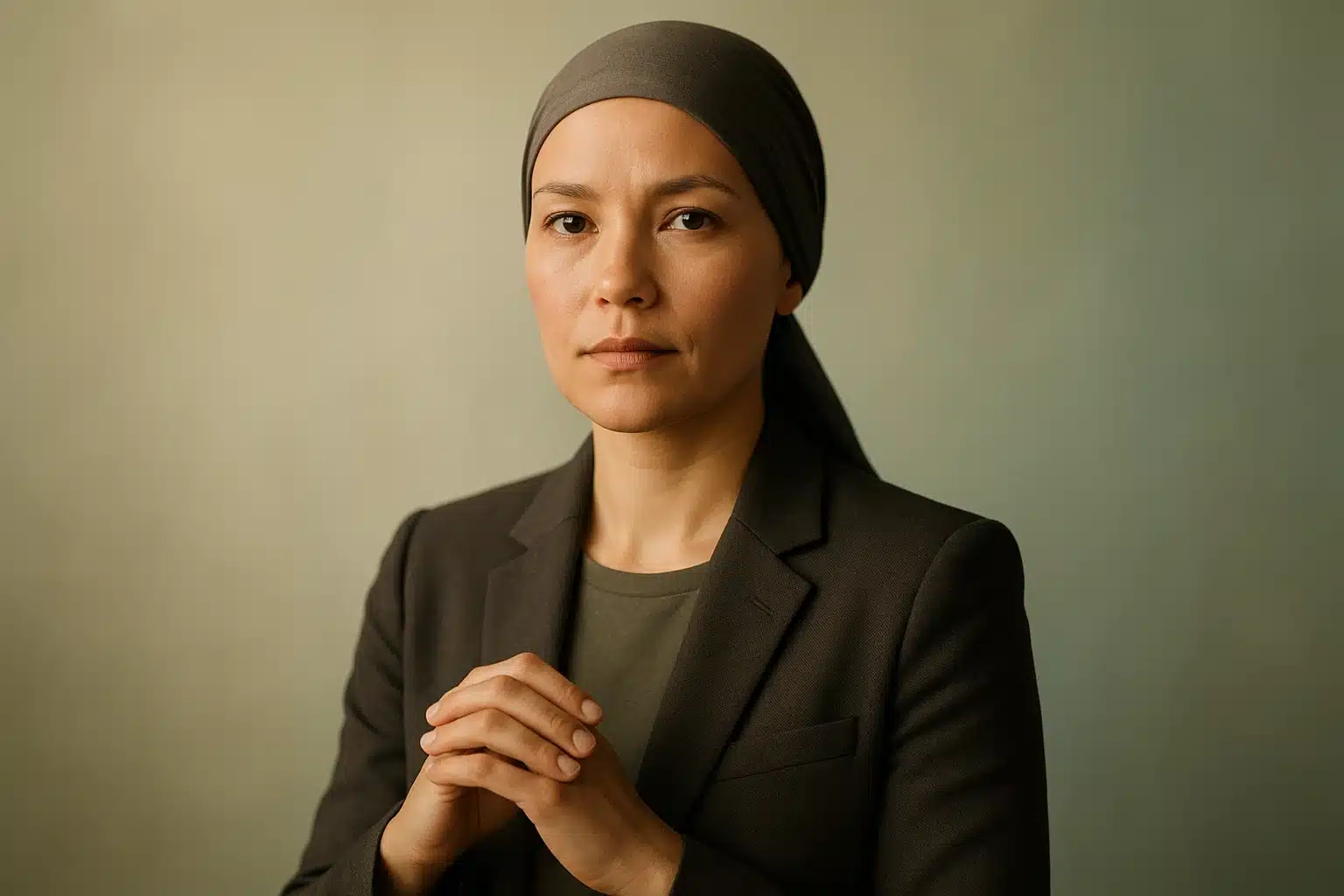
If you’ve recently found yourself staring at the drain after a shower or analyzing your reflection in the mirror a little too closely, you are not alone. Society often dismisses hair loss as a purely cosmetic issue, telling us it’s “just hair” and that we should simply focus on what’s inside. But science and psychology tell a very different story. Your hair is an identity anchor, and losing it requires your brain to rewrite its neurological map of self-recognition.
This disruption is profound, and the grief you feel is incredibly valid. To truly begin healing, we have to unpack our emotional attachment to hair and reframe this experience. Shifting from the panic of sudden hair shedding to a state of active empowerment isn’t about slapping on a band-aid of toxic positivity. It is about transforming a medical condition into a personalized journey of resilience, self-advocacy, and profound personal growth.
Reclaiming Your Story in the Midst of the Storm
When hair loss first begins, most people enter a crisis phase. It’s categorized by panicked internet searches late at night, endless scrolling through support forums, and an overwhelming sense of helplessness. Clinical research shows that individuals experiencing alopecia are significantly more likely to suffer from anxiety and depression. This isn’t a sign of vanity; it’s a biological and emotional reaction to a sudden loss of control.
To take back your narrative, the first step is recognizing where you are in your journey right now. Are you in the “Mirrored Scan” phase, hyper-fixating on every fallen strand? Are you in the “Panicked Search” phase, looking for quick-fix miracles? Or are you slowly inching toward “Quiet Acceptance”? Acknowledging your current state without judgment is the foundation of regaining your agency.
The “Partial Hair Loss” Paradox: Breaking the Anxiety Loop
A common misconception is that total baldness is the most emotionally difficult state to navigate. However, clinical realities often reveal a surprising paradox: partial hair loss frequently causes higher levels of chronic stress.
Why? Because thinning hair breeds hypervigilance. The unpredictability of shedding, the constant mirror-checking to see if a parting is visible, and the daily math of counting fallen strands keeps the nervous system locked in a state of fight-or-flight.
To break this loop, psychologists recommend cognitive-interruption techniques, such as “Mirror Exposure Therapy.” This involves setting designated, limited times to look at your hair—perhaps five minutes in the morning and five minutes at night. If you feel the urge to check your reflection outside of those windows, pause, take a deep breath, and consciously redirect your attention to a physical sensation, like the feeling of your feet on the floor. Reclaiming your attention is a powerful act of defiance against the anxiety loop.
Demystifying the Science: Fact vs. Marketing Hype
When we feel helpless, we become vulnerable to “symptom miracles.” The internet is flooded with heavily marketed products promising immediate regrowth. Gaining true empowerment means learning to evaluate these claims objectively.
- The Biotin Myth: Biotin is often touted as the ultimate hair-growth vitamin. While it is essential for healthy hair, the reality is that biotin supplementation generally only works if you have a rare, clinically diagnosed biotin deficiency. For most people experiencing genetic or stress-related hair loss, extra biotin simply leaves the body unused.
- Topical Caffeine: Unlike many hyped ingredients, topical caffeine has actual clinical trials backing it. It acts as a phosphodiesterase inhibitor, which can help counteract the follicle-shrinking effects of DHT (the hormone responsible for androgenetic alopecia). However, the biological limitation is strict: drinking ten cups of coffee won’t help your scalp. The caffeine must be applied topically in concentrated, therapeutic doses to reach the follicle.
By understanding the science, you stop spending money on panic-driven purchases and start investing your energy into proven, science-backed solutions.
Active Medical Self-Advocacy: The Dermatologist Checklist
Taking physical action directly reduces the stress hormone cortisol. Simply saying, “I need to see a doctor,” isn’t enough; you need to walk into that appointment equipped with the right vocabulary. Diagnostic clarity builds psychological control.
When you book an appointment with a dermatologist—ideally one who specializes in trichology (hair and scalp health)—advocate for a comprehensive blood panel. Be sure to request:
- Thyroid Panel (TSH): To rule out hypo- or hyperthyroidism.
- Ferritin/Iron Stores: Hair follicles require adequate ferritin levels to sustain the growth phase.
- Vitamin D3: Crucial for creating new hair follicles.
- Free and Total Androgen Levels: To identify any hormonal imbalances driving the shedding.
Having these metrics in hand transitions you from a passive patient to an active partner in your health.
The Mechanical Truth: Does Shorter Hair Help?
One of the most common questions people ask is, “Will cutting my hair short stop it from falling out?”
The biological answer is no. Cutting your hair has absolutely zero effect on the hair follicle root, which is buried 4mm under the scalp and composed of living tissue.
However, the physics of a shorter cut provide immense mechanical and psychological benefits. Long hair is heavy. When it’s wet, it clumps together, exaggerating the look of thinning and increasing mechanical drag on compromised follicles during brushing.
A shorter, texturized cut removes this weight. The hair springs up rather than lying flat, creating a structural illusion of volume that diffuses light and masks wide partings. Just as importantly, it reduces the psychological trauma of seeing long, terrifying strands in the shower drain. Making the intentional choice to change your styling architecture is a massive step toward narrative ownership.
Empowering the Next Generation: Pediatric Hair Loss
Hair loss doesn’t just affect adults; childhood alopecia presents a unique set of challenges. If you are navigating this alongside a child, your most powerful tool is open, age-appropriate communication.
Children take their emotional cues from the adults around them. Frame the hair loss not as a tragedy, but as a unique attribute. Equip them with simple, confident scripts for when peers ask questions (e.g., “My body just doesn’t grow hair right now, but I’m perfectly healthy!”). Furthermore, advocate for your child within the school system by educating teachers and counselors, ensuring their environment remains a safe space for them to explore their identity—whether they choose to wear hats, high-quality pediatric wigs, or rock a beautifully bald head.
Reframing the Identity Narrative: Somatic Grounding Rituals
True empowerment is found when we separate our self-worth from our physical appearance. This means replacing fear-filled routines with somatic grounding rituals.
Instead of starting your day by analyzing your scalp, create a five-minute morning routine focused entirely on skin wellness, scalp care, or highlighting a bold facial feature, like your eyebrows or lips. By shifting your focus toward areas where you can exercise creativity and control, you teach your brain that your beauty and presence are entirely independent of your hair density.
Whether you eventually choose to embrace your natural hair, experiment with lightweight toppers, or dive into the world of premium wigs, view these tools not as “shameful covers,” but as intentional styling choices. You are the architect of your image.
Frequently Asked Questions About the Hair Loss Journey
How do I know if my hair loss is temporary or permanent?
Only a medical professional can determine this with certainty. Stress-induced hair loss (telogen effluvium) is often temporary, while conditions like androgenetic alopecia or scarring alopecias require long-term management. This is why a dermatologist visit is crucial for diagnostic clarity.
Are wigs and toppers uncomfortable to wear every day?
Not when you choose the right ones! Modern, high-quality wigs and hairpieces are designed with breathable, lightweight caps specifically made for sensitive scalps. When viewed as an intentional accessory, they can be as comfortable and empowering as your favorite outfit.
Is it normal to feel profound grief over losing my hair?
Absolutely. Your hair is deeply tied to your neurological self-image. Feeling grief is a normal, healthy part of the adjustment process. Acknowledging this pain is the first step toward overcoming it.
Can changing my diet reverse my hair loss?
If your hair loss is caused by a specific nutritional deficiency (like low iron or Vitamin D), correcting your diet can help significantly. However, diet alone cannot reverse genetic or autoimmune-driven hair loss.
Next Steps for Your Journey
Empowerment doesn’t happen overnight; it is a series of small, intentional choices. Your next steps are simple:
- Schedule that appointment: Use the checklist above to advocate for comprehensive blood work.
- Reclaim your routine: Establish a five-minute morning mindfulness practice completely unrelated to your hair.
- Explore your options with curiosity, not fear: Begin looking into styling alternatives. Whether that means a bold new haircut, experimenting with beautiful head scarves, or browsing high-quality wigs and toppers, remember that you are in the driver’s seat.
By actively choosing how you respond to hair loss, you strip the condition of its power and write a new, brilliant chapter in your personal narrative. You are more than your hair—you are the strength it takes to navigate the journey.