If you’ve ever stepped outside in the middle of a triple-digit Fresno summer, you know the instant anxiety of wondering if your wig is going to shift. Whether you are navigating medical hair loss, upgrading to a seamless lace front, or exploring protective styling, the world of professional wig installation can feel overwhelming. Many local salon menus list services like “lace frontal install” without explaining the chemical, technical, or dermatological implications of how that hairpiece is actually attached to your scalp.
Understanding the science of securement is just as important as finding your perfect fit at the best wig stores in Fresno, CA. Before you book an appointment, it helps to understand exactly what happens during a professional installation, how to protect your natural hairline, and which attachment methods can withstand the intense Central Valley heat.
The Science of Modern Hair Attachment
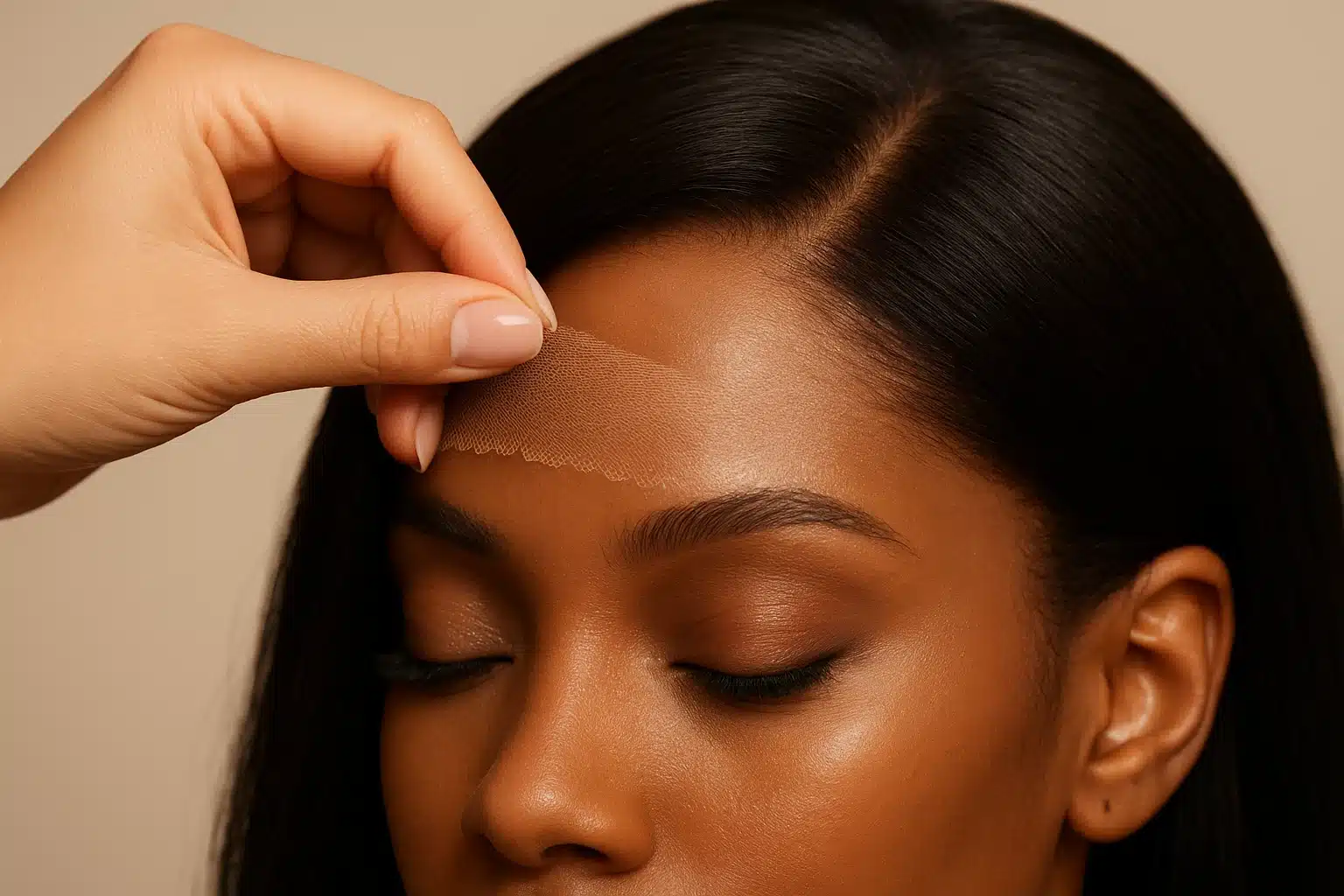
There is a common misconception among beginners that wig adhesives work like craft glue—simply sticking hair to the skin. The real “aha moment” comes when you understand that advanced adhesives act as an optical clarifier. The goal isn’t just stickiness; it’s bonding the highly porous nylon or polyester lace mesh directly to the bare epidermis just below your natural hairline, making the lace completely invisible.
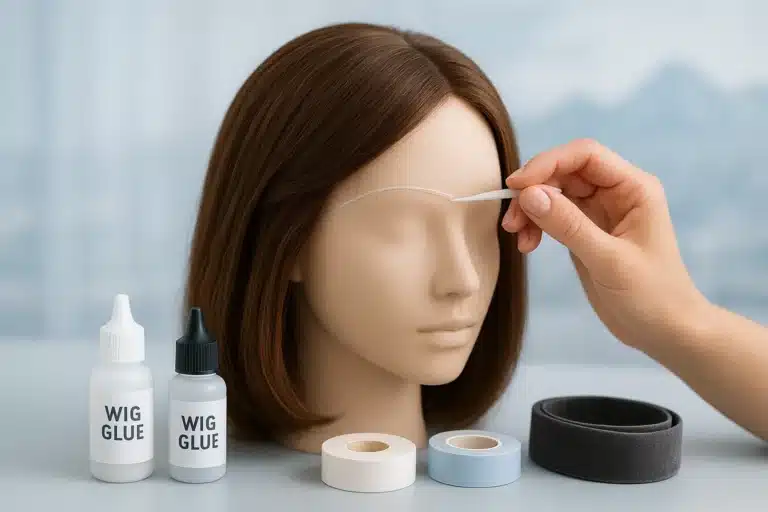
However, not all adhesives are created equal. Acrylic liquid polymers offer a high-hold, occlusive seal, while polyurethane and silicone pressure-sensitive tapes provide a breathable, lower-shear alternative. If you have easily irritated skin, working with a professional who understands the chemistry behind hypoallergenic wig glue can be the difference between a comfortable, multi-week hold and a painful scalp reaction.
The Three Pillars of Advanced Wig Attachment
When you visit a specialized salon, the stylist should evaluate your scalp type, activity level, and medical needs before choosing one of these three primary attachment methods.
Pillar 1: Liquid Polymer Adhesive Bonding (Long-Term: 2–4 Weeks)
Liquid adhesives are painted onto the skin in thin, transparent layers and allowed to cure until tacky. Once the lace is pressed into the adhesive, it creates a waterproof, long-term bond. This method is incredibly secure but requires strict scalp hygiene to prevent follicular occlusion (blocked pores) and microbial overgrowth under the lace base. Biologically, liquid bonds should not be worn past 3 to 4 weeks without a complete removal and scalp cleanse.
Pillar 2: Medical-Grade Hypoallergenic Taping (Moderate: 1–2 Weeks)
For those who find liquid adhesives too aggressive, medical-grade double-sided tapes offer an excellent middle ground. These tapes are often made from breathable polyurethane. They are less messy to apply, easier to remove, and place far less shear stress on delicate skin. Tape is often the preferred method for individuals with complete scalp alopecia.
Pillar 3: Mechanical & Glueless Securement (Daily to 3-Day Wear)
If you prefer to remove your wig every night to apply scalp treatments or simply sleep comfortably, mechanical securement is ideal. This includes velvet friction grips, adjustable tension bands, and specialized internal combs. If you’ve ever wondered how do wigs stay on a bald head without glue, the answer usually lies in custom-fitted caps featuring silicone perimeter grips that use your body’s natural heat to create a gentle, non-slip suction.
Scalp Health, Dermatology & Damage Prevention
No wig installation is successful if it compromises the health of your natural hair or scalp. The primary goal of a professional install is edge preservation and preventing traction alopecia—hair loss caused by constant, tight pulling.
Managing the Central Valley Climate
In Fresno, where summer temperatures regularly exceed $100^\circ\text{F}$, sweat and sebum (natural scalp oils) become your attachment’s biggest enemies. Heat lowers the glass transition temperature of water-based wig glues, causing them to soften and turn white. When your stylist mentions the lace lifting meaning, they are referring to this precise chemical breakdown where the adhesive prematurely releases from the skin due to excessive oil and sweat. For local longevity, sweat-resistant poly bonding or alcohol-resistant medical tapes are highly recommended.
Safe Solvent Release Protocols
Never pull or tear a glued wig off your head. A professional will use safe release agents to break down the bond safely. Citrus-based solvents are excellent for emulsifying acrylic adhesives gently, while alcohol-based removers flash-dry quickly and are great for quick tape-tab cleanups.
Finding Local Experts: Specialized Installation Salons in Fresno
Finding a directory of wigs in fresno ca is easy, but identifying which locations specialize in the specific attachment methods you need requires a bit more navigation. When booking in the Fresno and Clovis metro areas, look for salons that align with your specific journey:
- Medical Cranial Prosthesis & Specialized Fitting: Locations like Strut Hair Solutions (on Blackstone Ave) and Studio One Hair Design often cater to those needing precise, compassionate care for medical hair loss, offering insurance-friendly documentation and medical-grade hypoallergenic attachments.
- Full-Service Boutiques & Custom Installs: Places like Wig It2 Salon Boutique (Winery Ave) and Hollywood Wigs Fresno (Maple Ave) offer a mix of ready-to-wear units and localized installation services, perfect for protective styling and custom lace melting.
- Independent Stylist Suites: Many independent stylists in the area excel at the “bald cap method,” a technique that uses a protective stocking cap barrier to completely shield natural edges from liquid adhesives during a lace frontal install.
Specialty & High-Tension Attachment Considerations
It’s worth noting that the standard installation rules change dramatically if you wear heavy-density, highly structured custom pieces. If you are venturing into theatrical, anime, or cosplay units—such as a gravity-defying Goku wig, heavily textured Frodo wig, or historically structured pieces akin to a Beethoven or Mozart wig—standard skin bonding will almost always fail.
The weight distribution of these front-heavy styles places too much mechanical stress on the hairline adhesive. Professionals secure these high-tension units using internal suspension combs, heavy-duty bobby pinning techniques, and mechanical strapping, completely bypassing the need for liquid adhesives.
Frequently Asked Questions
Does wig bonding pull out natural hair edges?
It should never pull out your hair if applied and removed correctly. Proper installation places the adhesive on the bare skin in front of your natural hairline. If the “bald cap method” is used, your natural edges are slicked back and protected by a barrier. Damage only occurs through improper DIY removal or applying glue directly onto the hair shaft.
How do I know which attachment method matches my lifestyle?
If you have an oily scalp and work out daily, mechanical glueless bands or heavy-duty tape tabs are best. If you have dry skin, live in climate-controlled environments, and want a seamless melt that lasts for weeks, liquid polymer adhesive is your best option.
How can I safely break down adhesive bonds at home?
Always use a dedicated lace release solvent. Spray the solvent generously over the hairline and wait 2 to 5 minutes. The solvent will emulsify the glue, turning it into a jelly-like consistency that allows the lace to slide off effortlessly without stretching the delicate Swiss lace or pulling your skin.
Can I get an installation reimbursed by medical insurance?
If you are experiencing hair loss due to alopecia or chemotherapy, you may qualify for a “cranial prosthesis.” Many specialized local salons in Fresno can provide you with the correct National Provider Identifier (NPI) receipts needed to submit a claim to your insurance provider.
By understanding the chemistry, climate factors, and health implications of wig attachment, you are well on your way to making an informed, confident decision for your next installation. Take your time, consult with a local Fresno professional, and prioritize the long-term health of your scalp.