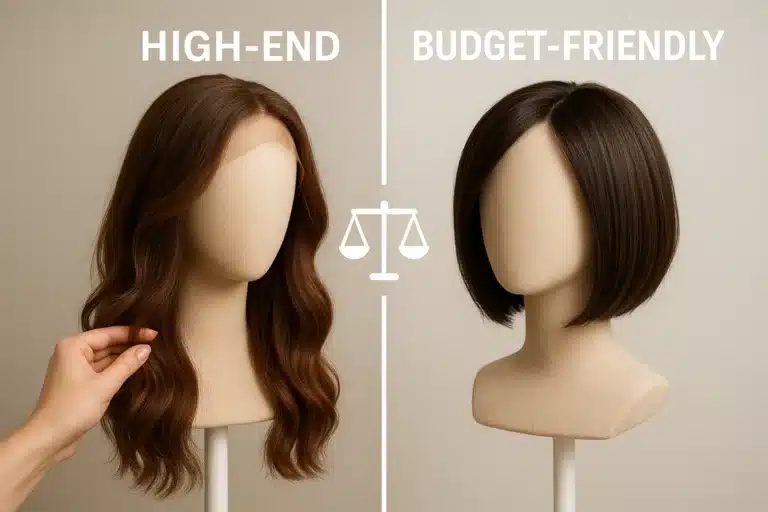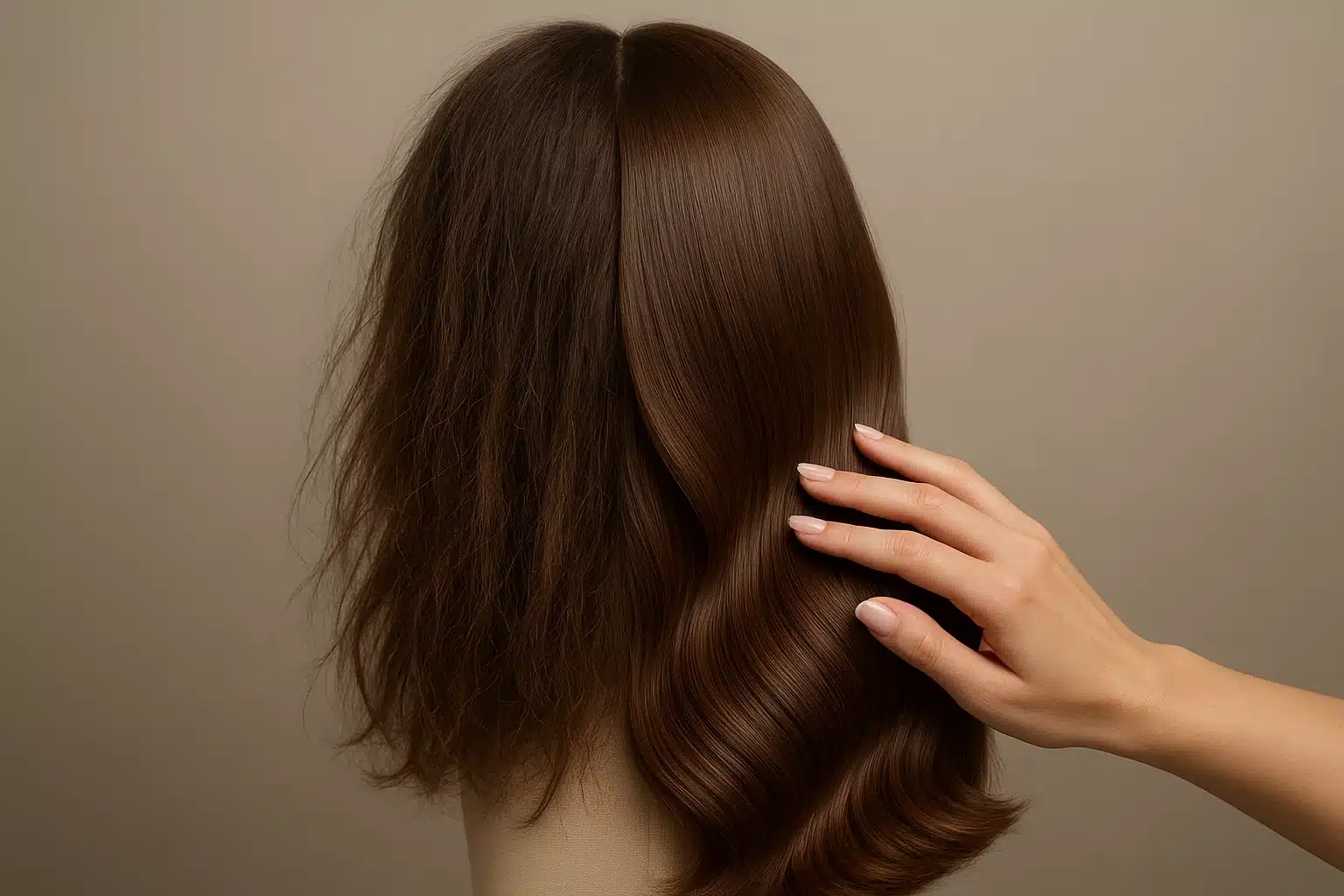
Picture this: You’re cruising down I-40 with the windows down, or maybe you’re enjoying a weekend ride on a motorcycle through Shelby Farms. The Memphis breeze feels amazing, but when you get home and look in the mirror, your beautiful wig looks like it’s been through a wind tunnel. The nape is a tangled mess, the lace looks frayed, and the style is completely gone.
If you wear a wig in the Mid-South, you already know that our unique mix of heavy humidity, outdoor activities, and active lifestyles can be incredibly tough on hairpieces. Whether you wear a wig for medical reasons and value discretion, or you’re part of the vibrant local fashion scene that loves a flawless lace front, eventually, your wig is going to need some TLC.
The good news? A damaged wig doesn’t necessarily mean a ruined wig. From high-fashion “Wig Spas” trending on Instagram to private, medical-grade restoration centers, the Memphis wig repair scene is rich with options. Let’s demystify the world of wig restoration and help you figure out exactly what your hairpiece needs to bounce back to life.
Why the Memphis Environment is a “Wig Killer”
Wigs face unique environmental stressors in Memphis. Understanding these challenges is the first step in effective synthetic wig care and human hair maintenance.
- The Humidity Factor: Memphis humidity causes human hair wigs to swell and frizz, while trapping sweat and oils against the lace cap, which can weaken the delicate knots over time.
- The “Helmet Hair” Phenomenon: For the motorcycle community, the constant friction between a heavy helmet, a leather jacket collar, and the wig’s nape creates severe friction matting.
- “Jeep Hair” Wind Damage: Riding with the top down exposes hair fibers to high-velocity winds. At 60mph, synthetic fibers can stretch and permanently warp, while human hair can develop microscopic tangles that seem impossible to brush out.
The Matting Scale: Diagnosing Your Wig’s Damage
Before you search for a wig repair specialist, it helps to know exactly what you’re dealing with. Let’s look at the “Matting Level” chart to diagnose your piece:
- Level 1: The Nape Tangle. Minor knotting at the back of the neck, usually caused by friction from collars or scarves. Easily fixed at home.
- Level 2: Frizz and Flyaways. The hair looks dry and lacks movement. The ends might feel slightly crunchy.
- Level 3: Moderate Matting. Visible clumps of tangled hair that resist gentle brushing. The lace might be showing signs of shedding.
- Level 4: The “Tiers Showing” Stage. Due to excessive shedding, the wig has lost so much density that the wefts (or tracks) underneath are visible.
- Level 5: The “Honda Hair” Structural Mess. Named after the viral, gravity-defying hair of windblown automotive engineers, this is when wind or intense static has locked the wig into an upright, structurally rigid mess. This requires professional intervention.
Quick Quiz: Is It Salvageable?
Ask yourself these three questions:
- Is the lace completely torn down the middle? (If yes, it may be time for a replacement).
- Are you seeing bald patches near the parting space? (If yes, you need professional re-knotting).
- Is it just heavily matted with product buildup? (If yes, a professional “Wig Spa” revamp can easily save it!).
Demystifying Wig Restoration: What Do Professionals Actually Do?
When you hand your wig over to a professional, they aren’t just giving it a heavy wash. Real wig restoration involves technical fiber science and delicate handiwork.
Re-Knotting (Ventilating)
If your wig is shedding and losing density, professionals use a tiny, hook-like needle to tie individual strands of hair back into the lace. This process, called ventilating, requires incredible precision. A macro-view of a restored lace cap reveals tiny, invisible knots that make the hair look like it’s growing naturally from the scalp again.
Cap Adjustments and Lace Replacement
Sometimes, the hair is perfectly fine, but the cap has stretched out from daily wear. Restoration experts can take in the cap to restore a snug, secure fit. If the front lace is frayed and curling, they can often cut away the damaged portion and seamlessly attach a new piece of lace, saving you from buying a brand-new wig.
The “Wig Spa” Revamp
Popularized by local Memphis stylists on platforms like Instagram and Facebook, a “Revamp” is an intensive conditioning and restyling treatment. It usually involves detoxifying the hair of old glue and products, deep-conditioning human hair to restore the cuticle, and performing expert wig styling to bring back those flawless, bouncy curls or sleek straight lines.
Cost vs. Value Context: While home revamps might cost $10-$20 in specialty products, professional restoration in Memphis typically ranges from $75 for a basic Wig Spa to $350+ for extensive re-knotting and custom ventilation. When dealing with a premium piece, the professional route is almost always worth the investment.
The Memphis Wig Repair Scene: Finding the Right Fit
Because Memphis serves such a diverse community of wig wearers, the repair landscape is divided into two distinct specialties. Knowing which one you need will save you time and frustration.
Medical Privacy and Compassionate Care
For individuals experiencing medical hair loss (such as alopecia or chemotherapy), privacy and sensitivity are paramount. Local brick-and-mortar centers often focus on a highly compassionate, private consultation model. They specialize in medical-grade adhesives, sensitive-scalp cap repairs, and durable restorations that prioritize comfort and longevity.
High-Fashion and Revamp Culture
Conversely, the younger, fashion-forward demographic often turns to independent social media stylists. These artists excel at “melting” lace (making it invisible against the skin), creating elaborate baby hair designs, and executing complete color transformations. If you need a stylish “Wig Spa” day to rescue a piece from product buildup and tangling, this community is your go-to resource.
Lifestyle Hacks: The Jeep & Bike Protection Protocol
If you want to reduce the amount of time your wig spends in the repair shop, prevention is key. Here is the ultimate protocol for active wig wearers who refuse to let the wind stop them.
- The Silk Scarf Wrap: Before putting on a helmet or getting into an open-air vehicle, wrap the length of your wig in a silk or satin scarf. This eliminates the friction that causes Level 1 and Level 2 matting.
- The Low Ponytail: If a scarf isn’t an option, secure the hair in a low ponytail at the nape of your neck, and tuck the ends into your jacket. Never leave the hair loose to whip around in the wind.
- The Secure Grip: Wind creates “lift.” Always use a velvet wig grip band underneath your cap when engaging in outdoor activities to ensure the sheer force of the wind doesn’t shift your lace back.
Mastering how to care for human hair wig investments means adapting your routine to your lifestyle. A little preventative care goes a long way.
Frequently Asked Questions (FAQ)
Can I use regular hair products to untangle my wig?
No. Whether human hair or synthetic, wigs do not produce natural scalp oils. Standard drugstore products can strip human hair of its moisture or leave a heavy, waxy buildup on synthetic fibers. Always use dedicated wig maintenance products.
How long does professional wig restoration usually take?
A basic “Wig Spa” wash and restyle can take 3 to 7 days, depending on the stylist’s workload. Complex repairs, like re-knotting a bald patch or replacing a lace front, can take anywhere from 2 to 4 weeks because the hair must be tied by hand.
Is it worth repairing a synthetic wig?
It depends on the quality of the synthetic fiber. High-quality, heat-friendly synthetics can often be revived with steam treatments to remove frizz and crimping. However, traditional synthetics that have suffered severe friction burn usually cannot be saved and are better off replaced.
How often should I seek professional wig care?
If you wear your wig daily, a professional deep clean and structural assessment every 3 to 4 months will dramatically extend its lifespan.
Next Steps for Your Hair Journey
Learning how to navigate wig maintenance doesn’t have to be overwhelming. By understanding the specific environmental challenges we face in Memphis and knowing when to seek professional help, you can protect your investment and keep your hair looking flawless.
Take a moment today to inspect your favorite wigs. Check the lace for fraying, look closely at the density near the part, and assess the nape for hidden tangles. Being proactive is the best secret to long-lasting, beautiful hair!