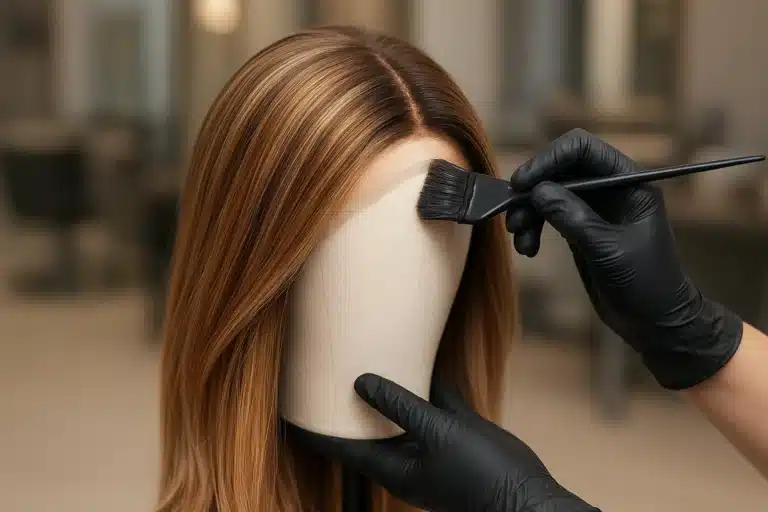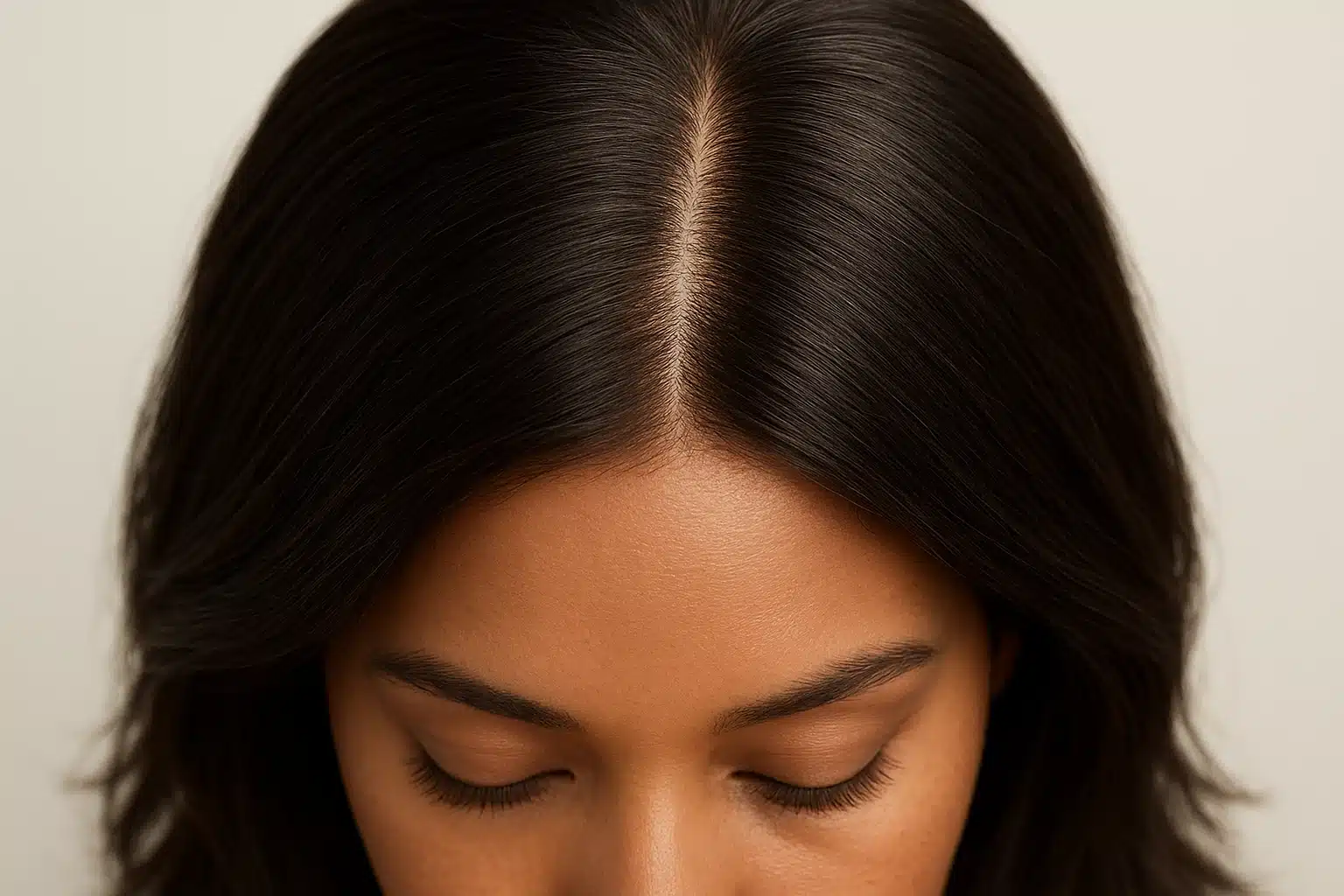
Have you ever found yourself staring at a mirror, tilting your head side to side, trying to figure out exactly why a hairstyle doesn’t feel quite “you”? For many entering the world of alternative hair, the fear isn’t just about wearing a wig—it’s about the fear of being “clocked.” We often hear that the biggest giveaway isn’t the shine or the color, but the density and the part line. If the hair looks like it’s sprouting from a dense mat rather than growing individually from the scalp, the illusion breaks.
This is where the artistry of cap construction changes everything. It’s not just about covering hair loss; it’s about replicating natural growth. When learning about high-end constructions, choosing your Wig Pro wig: the complete guide is an essential first step to finding the perfect match for your face shape and lifestyle. However, to truly master the look of natural hair, we need to zoom in on one specific feature that sets premium wigs apart: the monofilament top.
Anatomy of the Illusion: What is a Monofilament Top?
To understand why Wig Pro’s Signature collection is so highly regarded, we first need to understand the “canvas” they are working on. In standard, budget-friendly wigs, the hair is sewn in strips (wefts) onto thick fabric. To hide these strips at the top, manufacturers often use a technique called “permatease”—short, matted fibers at the root that create volume but can look artificial and dense.
A monofilament top completely eliminates the need for permatease. Imagine a fine, sheer mesh made of a nylon blend that is durable yet nearly invisible against the skin. In Wig Pro’s construction, individual strands of hair are hand-tied into this mesh, one by one.
This tedious process, which mimics the natural growth direction of biological hair, creates two distinct advantages:
- Transparency: The sheer mesh reveals your own scalp color (or a wig cap that matches your skin tone) underneath, making it look like the hair is growing right out of your skin.
- Movement: Because the hairs aren’t sewn in rigid tracks, they can swivel and move freely, just like bio hair.
The Wig Pro Difference: The “Signature” Hand-Tied Craftsmanship
While many brands offer monofilament options, Wig Pro’s Signature line takes the concept a step further regarding density and comfort. The term “monofilament” can refer to just a small parting area, but Wig Pro often utilizes full monofilament tops that extend across the entire crown.
The 40-Hour Commitment
The “Signature” distinction often signifies a 100% hand-tied top. It takes a skilled artisan approximately 40 hours to knot a single wig. This labor of love results in a lower, more natural density. Many beginners worry about “big hair”—wigs that look too thick and puffy. Because hand tied wigs allow for precise control over how much hair is added, Wig Pro achieves a sleek, flat profile that sits flush against the head, eliminating the “helmet” effect.
Single vs. Double Monofilament
As you explore the collection, you might encounter the terms “Single Mono” and “Double Mono.”
- Single Monofilament: Offers the best illusion of hair growth and is incredibly breathable.
- Double Monofilament: Features an extra layer of glass-silk material on the underside of the knots. This is specifically designed for individuals with total hair loss or extreme scalp sensitivity. It provides a soft barrier between the knots and the skin, preventing itchiness while maintaining the realistic look on top.
Styling Masterclass: The Multidirectional Advantage
The true “Aha!” moment for most wig wearers comes when they realize they aren’t stuck with the part line the wig came with. Because of the hand-tied construction on the mesh, Wig Pro monofilament tops are multidirectional.
If you’ve always worn a left-side part, but the wig comes with a center part, you can change it. Here is how to retrain the fiber:
- Dampen the Roots: Lightly mist the top area with water.
- Shift the Direction: Use a fine-tooth comb to gently guide the hair into your preferred parting placement.
- Set the Style: If it is a synthetic wig, rubbing your hands together to create friction heat and holding the hair in place for a few seconds can help set the new direction. For human hair, you can blow-dry on low heat.
The Realism Toolkit: Blending Secrets
Once you have your monofilament top, how do you make it undetectable? Even the most expensive wig requires a little “customization” to suit your unique features. Here are three techniques to maximize realism.
1. The Four-Finger Rule
A common mistake is wearing the wig too low on the forehead, which shrinks the face and looks unnatural. Place four fingers flat against your forehead, starting from your eyebrows. Your wig’s hairline should naturally begin where your top finger ends. This alignment ensures the monofilament top sits at the crown’s highest point, where a natural part would occur.
2. The Micellar Water Hack
Sometimes, a brand-new monofilament part line can look a little too perfect or shiny. To dull the shine on the mesh and make it look more like skin:
- Dip a Q-tip in micellar water or rubbing alcohol.
- Gently run it along the exposed part line on the mesh.
- This removes any factory residue and helps the mesh melt into your scalp tone.
3. Foundation Blending
If the mesh color is slightly lighter than your skin tone, take a small angled makeup brush and dab a little of your powder foundation along the part line on the inside of the cap (or directly on top if you have a steady hand). This simple trick creates a seamless transition between your face and the wig. These techniques are central to how to make wigs look real, transforming a piece out of the box into a personalized style.
Maintenance for Longevity
A monofilament top is an investment piece, and the mesh is delicate. To ensure your part line stays crisp and the hair doesn’t shed prematurely, your wig maintenance routine needs to be gentle.
- Comb Correctly: Always use a wide-tooth comb. Never dig the comb into the mesh, as this can puncture the monofilament or loosen the hand-tied knots.
- Wash with Care: When washing, turn the wig inside out so the water flows through the mesh rather than pounding directly onto the knots.
- Storage: Store the wig on a stand that allows the cap to retain its shape, ensuring the monofilament doesn’t get creased.
Frequently Asked Questions
Q: Is a monofilament top hot to wear?
A: Actually, it is one of the coolest cap constructions available. The mesh is breathable, allowing air to circulate directly to the scalp, unlike closed wefted caps which can trap heat.
Q: Can I use heat tools on a Wig Pro monofilament wig?
A: This depends on the fiber. If it is human hair or a heat-friendly synthetic, yes. However, be very careful not to apply heat directly to the mesh/knots, as this can damage the structural integrity of the cap.
Q: What is the difference between Monofilament and Lace Front?
A: They serve different purposes. The monofilament refers to the top/crown area and allows for realistic parting. A lace wig feature refers specifically to the front hairline, creating an invisible boundary across the forehead. Many premium Wig Pro wigs combine both features for the ultimate realistic look.
Taking the Next Step
Understanding the mechanics of your wig cap is the secret to wearing hair with confidence. When you know that your part line looks like natural skin and that you have the versatility to style your hair away from your face or switch your part, the anxiety of wearing a wig disappears. You are no longer hiding; you are expressing yourself.
Wig Pro’s signature monofilament tops offer that freedom. By combining the comfort of sheer mesh with the artistry of hand-tied fibers, they bridge the gap between “wearing a wig” and simply having great hair.