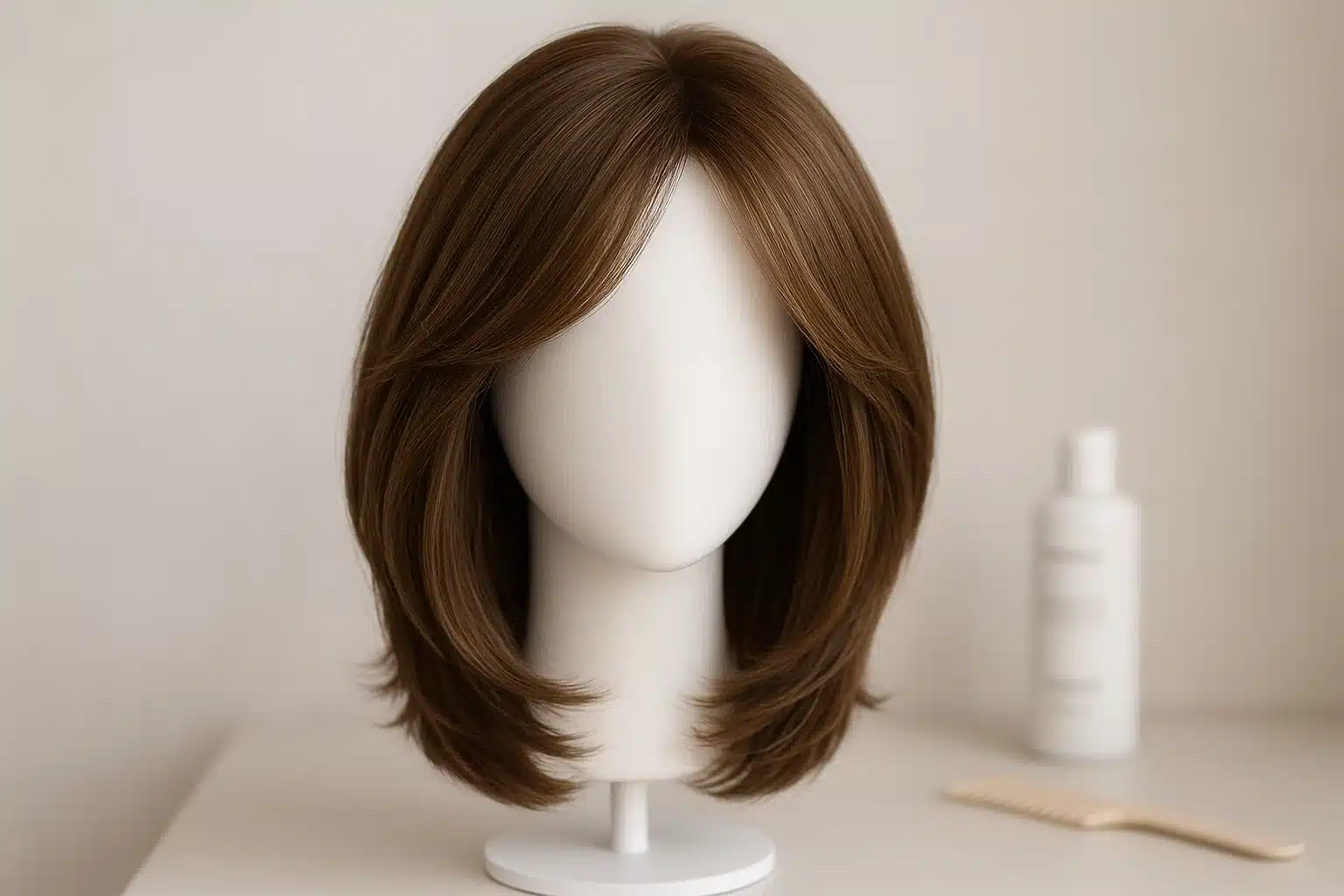
There is a specific moment of joy that comes with unboxing a new wig—the way the fibers catch the light, the volume at the root, and that fresh, salon-ready bounce. But for many, that joy is accompanied by a quiet anxiety: How do I keep it looking exactly like this?
If you have chosen a Noriko wig, you haven’t just bought a standard hairpiece; you’ve invested in a specific type of fiber technology designed for “ready-to-wear” ease. However, treating a Noriko wig like a generic synthetic unit can actually shorten its lifespan. Before you dive into deep cleaning, it is essential to understand the construction of your unit. For many, The Complete Guide to Noriko Wigs: Answering Your Questions Before You Buy is the best starting point for understanding how these specific fibers are designed to behave.
Once you understand the “why” behind the design, the “how” of maintenance becomes much simpler. This guide explores the specialized care required to maintain the unique texture and volume that defines the Noriko brand.
The Noriko “Fiber DNA”: Why It’s Different
To care for your wig properly, you first need to understand what makes it different from other synthetics on the market. Noriko wigs are renowned for two distinct features: Natural Movement (NM) Fibers and Permatease.
Understanding Natural Movement (NM) Technology
Unlike budget synthetic wigs that can feel overly slick or plastic-like, Noriko uses a higher-denier fiber. In simple terms, the individual strands are slightly thicker and denser to mimic the weight and sway of healthy biological hair. This gives them their realistic look, but it also means they hold “memory” differently. They are more resistant to losing their shape, but they require specific techniques to keep them fluid.
The “Permatease” Paradox
One of the most common moments of panic for new Noriko owners happens when they inspect the roots. You might see short, crimped fibers near the base of the cap and worry the wig is matted or defective.
This is not a defect—it is a design feature. This is called “permatease.” It is a structural layer built into the cap to provide permanent lift and volume without the need for teasing or hairspray. The golden rule of Noriko care is simple: never try to comb out the permatease. Doing so will damage the fiber structure and collapse the style.
The “Sink-to-Stand” Wash Protocol
While the industry standard often suggests cold water for all synthetics, Noriko’s dense fiber blend often benefits from a slight adjustment. Because the fibers are thicker, they can trap oils and environmental dust more stubbornly than lighter fibers.
Step 1: The Pre-Wash Prep
Before water touches the fiber, gently remove tangles using a wide-tooth comb or your fingers. Start strictly at the ends and work your way up to the mid-lengths. Avoid combing all the way to the root to protect the permatease.
Step 2: The Temperature Sweet Spot
While boiling water will melt synthetic fibers and ice-cold water won’t effectively dissolve buildup, lukewarm water is the ideal medium for Noriko wigs. It is warm enough to activate the cleansing agents in your shampoo but cool enough to preserve the style memory.
Step 3: The Immersion Technique
- Fill a basin with lukewarm water and mix in a capful of synthetic-safe shampoo (brand-recommended formulas like the Rene of Paris Prepare Shampoo are chemically balanced for this specific fiber).
- Turn the wig inside out and submerge it.
- Do not scrub. Agitation causes friction, which destroys the fiber’s cuticle-like surface. Instead, gently press the water through the hair for about 5 minutes.
Step 4: Revitalizing the Texture
After rinsing with cool water, conditioning is vital. However, standard conditioners can weigh down the permatease. We recommend using a spray-in conditioner or a leave-in revitalizer specifically designed for synthetic fiber. These products coat the fiber to repel static without creating a heavy buildup that flattens your volume.
Tackling the “Friction Frizz” Reality
If you wear a mid-length or long Noriko style (like the popular Reese or Sky models), you may notice the fibers at the nape of the neck becoming rough or frizzy over time. This isn’t a sign of poor quality; it is a chemical reaction caused by friction.
When the synthetic fiber rubs against clothing or skin, it generates heat. This heat slowly alters the surface of the fiber, causing it to kink.
The Steam Solution
Contrary to popular belief, you cannot brush friction frizz away. Because the damage is heat-based, it requires controlled heat to fix.
- Pin it down: Secure your wig to a canvas block head.
- Protect the fiber: Use a wide-tooth comb to gently separate the frizzy area.
- Steam carefully: Using a handheld clothing steamer, direct steam at the frizzy section from a distance of about 4-6 inches. Do not touch the steamer to the hair.
- Comb through: While the fiber is warm and damp from the steam, comb it smooth. As it cools, the “memory” of the fiber resets to a straighter, smoother state.
Note: If you are uncomfortable using steam, we recommend taking your wig to a professional stylist familiar with synthetic heat-styling.
Daily Habits for Longevity
Maintaining that “out of the box” look isn’t just about wash day; it’s about how you handle the wig between wears.
- The 10-Wear Cycle: A general rule of thumb is to wash your Noriko wig after roughly 8 to 10 wears. Washing it too frequently can dry out the fibers, while waiting too long allows buildup to degrade the cap.
- Rotation is Key: If you wear a wig daily, rotating between two units allows one to “rest.” This allows the elastic in the cap to recover its shape and ensures the fibers aren’t subjected to constant friction.
- Storage Matters: When not in use, store your wig in a cool, dry place away from direct sunlight. For styles with heavy permatease, storing them upside down in their box can actually help maintain the volume at the root.
Frequently Asked Questions
Can I use regular hairspray on my Noriko wig?
No. Standard hairspray contains alcohols and lacquers that can degrade synthetic fibers and leave a white, flaky residue that is difficult to wash out. Always use a water-soluble spray designed for synthetic hair.
My wig looks too shiny. How do I fix it?
New synthetic fibers often have a “protective sheen.” To reduce this for a more realistic look, you can lightly dust the wig with dry shampoo. This absorbs the excess shine without damaging the color.
Can I use a curling iron on my Noriko wig?
Unless the specific Noriko model is labeled “Heat Friendly,” you should avoid hot tools like curling irons or flat irons. The NM fibers are synthetic and will melt under direct, high heat. Steam is the only recommended heat source for maintenance.
How long should my Noriko wig last?
With proper care, a short Noriko wig can last 4-6 months with daily wear, while longer styles may have a lifespan of 3-4 months due to friction. Rotating between wigs can double this lifespan.
Caring for your wig is an act of self-care. By understanding the unique needs of Noriko fibers, you ensure that your hair continues to help you feel confident, beautiful, and authentically you, day after day.