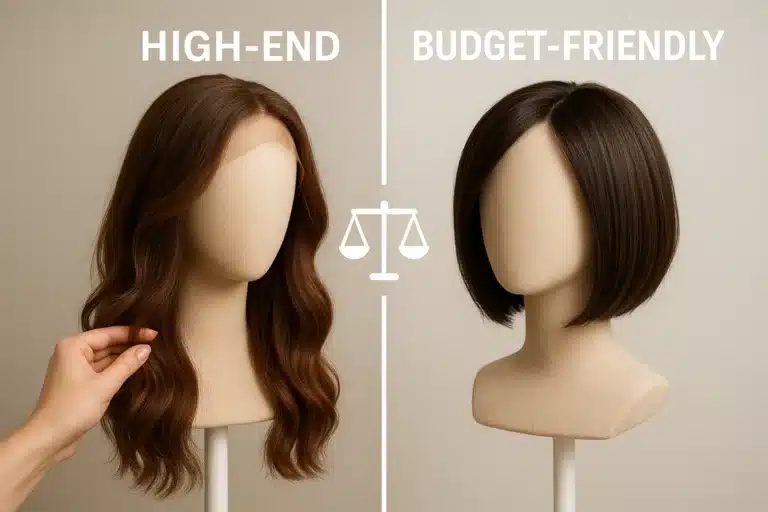
Imagine walking into a boutique and seeing two seemingly identical blouses. One is priced at $50, the other at $500. Upon closer inspection, you realize the more expensive one uses hand-stitched silk, features a cut that drapes perfectly over the shoulders without bunching, and has reinforced seams that won’t fray after a wash. Wigs operate on a very similar principle, yet the “invisible science” behind their pricing is often a mystery to first-time buyers.
For many, the initial discovery phase involves a moment of sticker shock. Why can you find a hairpiece online for the price of lunch, while others require a planned investment? The answer lies not just in the strands of hair you see, but in the engineering you don’t. Understanding the wig price range options available to you is the first step in transitioning from a simple purchase to a long-term investment in your confidence. It’s about discerning the difference between a costume piece and a prosthetic designed for daily life.
The “Invisible Science” of Comfort
When we talk about the “Lux” factor, we often look at the hair, but the true value of a premium wig is usually found on the inside. The cap construction is the foundation of your experience; it is the difference between wearing a hat and having a second skin.
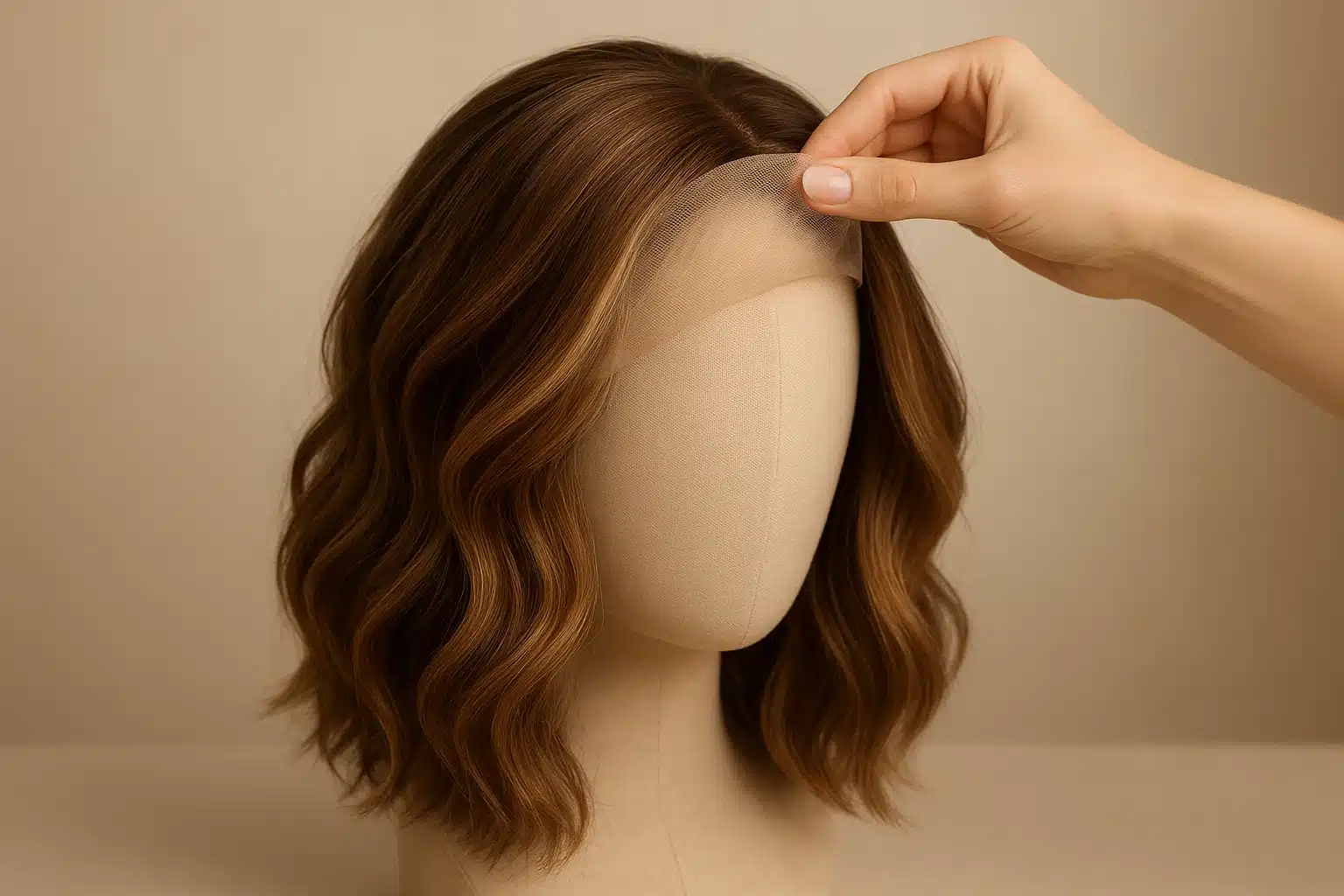
Entry-level wigs often use machine-made wefts. These are durable and affordable, but they can lack the natural movement and scalp-cooling properties of higher-end designs. As you move up the pricing tier, you encounter types of wig caps designed for “medical grade” comfort. Features like monofilament tops—where each hair is individually tied to a sheer mesh—allow you to part the hair in any direction, creating the illusion of natural growth from the scalp.
Furthermore, premium brands invest heavily in “memory” technology. Much like a high-end shoe breaks in to fit your foot perfectly, luxury wig caps often feature materials that mold to the specific shape of your head over time. This proprietary engineering eliminates pressure points, allowing for all-day wear without the common “wig headache.”
Hand-Tied Labor: The 40-Hour Difference
One of the most significant cost drivers in the premium market is skilled labor. A fully hand-tied wig is not a product of mass manufacturing; it is a piece of artisanal craftsmanship.
To create the most realistic movement—where the hair bounces and sways exactly like biological hair—skilled artisans must tie individual strands into the cap mesh by hand. This process can take anywhere from 40 to 100 hours for a single unit. This labor intensity explains why a fully hand-tied cap commands a higher price than a machine-wefted one. You are paying for the time, precision, and artistry required to ensure that when the wind blows, the underlying cap remains invisible.
The Material Matrix: High-End Synthetic vs. Biological Hair
There is a common misconception that human hair is always “better” than synthetic. In reality, the market has evolved into a complex matrix of choices where high-end synthetic fibers often outperform cheap human hair in terms of longevity and ease of wear.
However, for those seeking the ultimate in realism and styling versatility, the best human hair wigs remain the gold standard. The pricing premium here comes from ethical sourcing and processing. “Remy” hair, where the cuticles are kept intact and aligned in one direction, prevents tangling and reflects light naturally. Collecting, sorting, and processing this hair without harsh chemicals is an expensive, rigorous process that cheap alternatives skip.
Conversely, luxury synthetic wigs use proprietary fiber blends that mimic the denier and texture of biological hair. Innovations like heat-friendly synthetics allow you to use curling irons and straighteners, bridging the gap between the ease of synthetic and the versatility of human hair.
The Consistency Premium: Why Brand Reputation Matters
Why do experienced wig wearers often stick loyal to brands like Jon Renau, Raquel Welch, or Ellen Wille? It comes down to the “Consistency Premium.”
When you buy a premium brand, a portion of the price tag funds the Quality Assurance that ensures your specific color—whether it’s “Shaded Praline” or “Chocolate Frost”—looks exactly the same today as it did when you bought it two years ago. Cheap manufacturers often dye hair in inconsistent batches, leading to color surprises. Premium brands also invest in R&D to ensure their caps maintain structural integrity wash after wash.
When selecting the ideal wig brand for your quality lifestyle, you are essentially buying an insurance policy on your appearance. You are paying for the guarantee that the fiber won’t frizz immediately and that the fit will remain secure.
The “Fragile Luxury” Paradox
It is crucial to understand that in the world of wigs, “expensive” does not always equal “indestructible.” In fact, the most expensive features are often the most delicate.
- Swiss Lace: Incredible invisibility, but tears easily if handled roughly.
- 100% Hand-Tied Knots: Unbeatable natural movement, but requires gentle washing to prevent shedding.
This is the “Fragile Luxury” paradox. Just as a silk blouse requires more care than a cotton t-shirt, a premium wig requires a commitment to proper maintenance. The investment is in the realism and comfort, not necessarily in rugged durability.
Designer Collections: The Innovation Edge
Beyond the standard construction, specific designer collections offer unique “signatures” that solve niche problems. For example, if you are looking for that specific Envy look, you might be drawn to their “Envyhair” blend—a mix of human hair and heat-friendly synthetic that offers the best of both worlds. Other designers focus on specific needs, such as non-slip silicone tabs for those with total hair loss who need security without adhesives.
These patented features—SmartLace fronts that don’t require trimming, or caps that regulate temperature—are the result of years of research. This innovation is a major factor in the final price, offering solutions that generic wigs simply cannot provide.
The Value Per Wear (VPW) Equation
Finally, when evaluating price, it helps to change the math from “Cost Price” to “Value Per Wear.”
- Scenario A: A $200 budget wig that loses its shape and texture after 2 months.
- Daily Cost: ~$3.33/day.
- Scenario B: A $1,200 premium wig that, with proper care, looks beautiful for a year or more.
- Daily Cost: ~$3.28/day.
When viewed through this lens, the premium option often costs the same or less over time, while providing a significantly higher quality of life, comfort, and confidence every single day.
Frequently Asked Questions
Why is there such a big price difference between synthetic and human hair?
Human hair is a finite biological resource that requires ethical sourcing and delicate processing to remain viable. Synthetic fiber is manufactured. However, premium “heat-friendly” synthetics are narrowing the price gap due to their advanced technology and realistic look.
Does a more expensive wig last longer?
Not necessarily. A premium wig is often priced higher because it is lighter, more comfortable, and looks more realistic—not because it is “tougher.” A heavy, machine-made wig might last forever but look like a helmet. A delicate hand-tied lace wig looks undetectable but requires gentle care.
What is the “Scalp Illusion”?
This refers to the ability of the wig cap to mimic your natural scalp. Monofilament and French/Swiss lace tops allow the color of your skin to show through the hair part, making it look like the hair is growing directly out of your head. This labor-intensive feature is a hallmark of premium pricing.
Is it worth paying for a “Brand Name” wig?
Yes, largely for consistency and safety. Reputable brands adhere to strict safety standards regarding materials (preventing scalp irritation) and ensure that the style and color you fall in love with are reproducible every time you order.
***
Understanding the granular factors of wig pricing empowers you to make choices that align with your lifestyle. Whether you prioritize the durability of a wefted cap or the undetectable nature of a hand-tied lace front, knowing what you are paying for ensures your investment brings you the confidence you deserve.