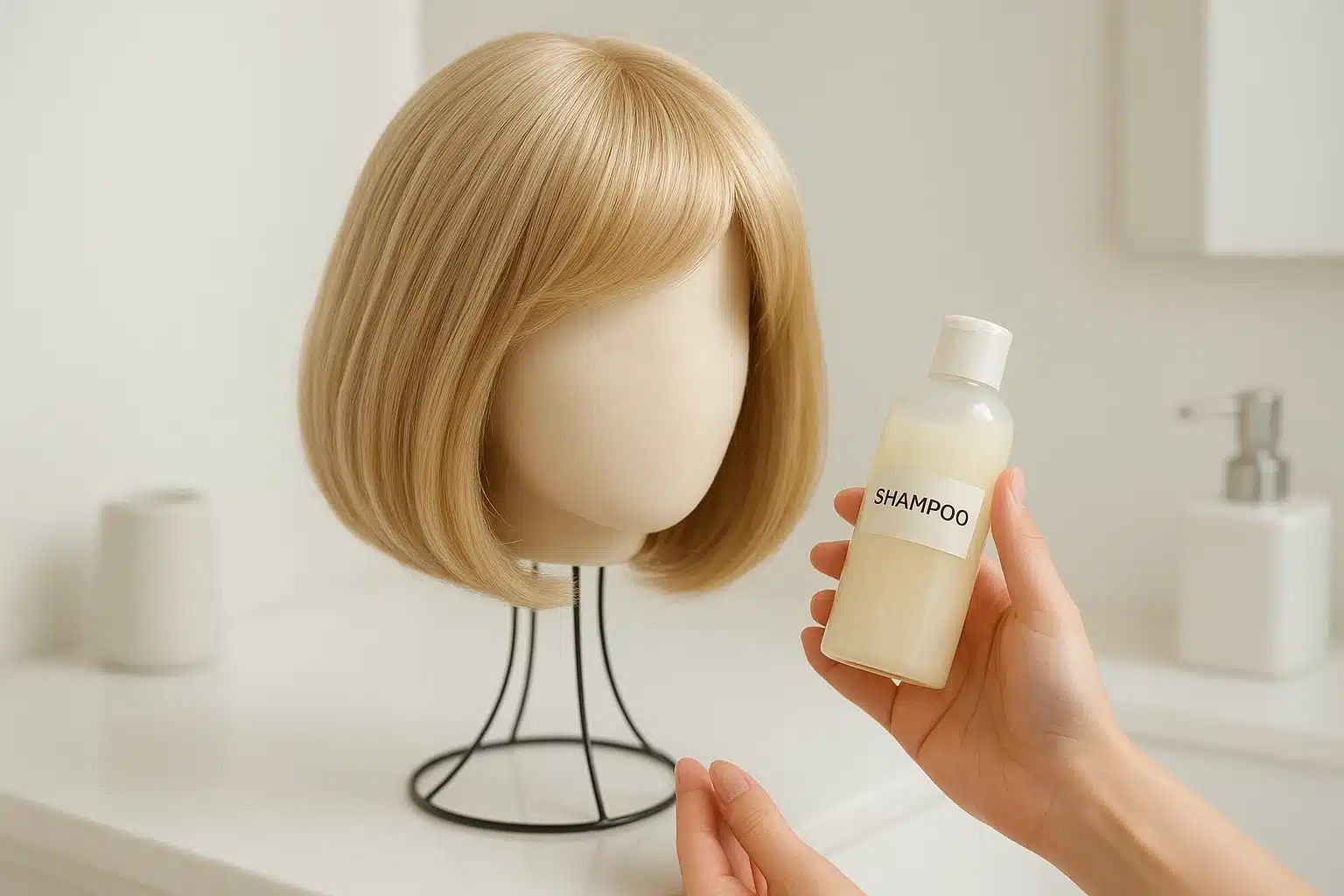
There is a specific kind of magic that happens when you first slip on a fresh wig. The fibers have a distinct bounce, the shine catches the light perfectly, and for a moment, the world feels a little brighter. But for many, that initial excitement is often shadowed by a quiet anxiety: How do I keep it looking this good without ruining it?
If you’ve explored Your Complete Guide to Revlon Wigs: A Deep Dive into the Orchid Collection, you already know that the Rene of Paris and Revlon lines are celebrated for their “style memory” and natural aesthetic. However, preserving that factory-fresh look requires shifting your mindset. Caring for a high-quality synthetic wig isn’t just about cleaning it; it’s about understanding the unique science of the fiber. This guide will walk you through the essential rituals that transform wig maintenance from a chore into an act of self-care.
Understanding Your Wig’s DNA: The “Style Memory” Advantage
Before we dive into the sink, it is crucial to understand what you are washing. Unlike human hair, which requires heat and manipulation to hold a curl, your Rene of Revlon wig comes equipped with “style memory.” This is a technological feature where the style—whether it’s a beachy wave or a sleek bob—is baked into the fiber itself.
This is your greatest advantage, but it also dictates your care routine. Because the fiber is designed to return to its original shape after washing, you don’t need to fight with it. However, it also means the fiber is sensitive to friction and heat. Think of your wig less like the hair growing from a scalp and more like a fine cashmere sweater or a delicate silk blouse. You wouldn’t throw silk in a hot wash cycle; the same gentle logic applies here.
The “Rule of 8”: When to Wash
One of the most common mistakes beginners make is over-loving their wigs. There is a natural tendency to want to wash the wig every few days, similar to how we treat bio hair.
Here is the golden rule for longevity: The Rule of 8.
For the average wearer, a synthetic wig should only be washed after 8 to 10 full days of wear. Washing it too frequently can actually strip the fibers of their protective coating, leading to premature dryness and dullness. Unless you have been in a particularly smoky environment or have been sweating heavily, trust the Rule of 8. This single adjustment can potentially double the lifespan of your piece.
The Master Routine: A Step-by-Step Guide
When it is time for that bi-weekly wash, following a specific protocol ensures you cleanse the cap without disrupting the fiber’s integrity.
1. The Pre-Wash Detangle
Never introduce water to a tangled wig. Water locks in knots, making them nearly impossible to remove without stretching the fiber. Using a wide-tooth comb or your fingers, gently work through the hair starting at the ends and slowly moving upward toward the root.
2. The Cold Water Soak
Fill a basin with cool to cold water. Heat is the enemy of synthetic fiber—hot water can relax the style memory you want to preserve. Mix a capful of wig-specific shampoo into the water before submerging the wig.
3. The Soak (Don’t Scrub!)
Turn your wig inside out and submerge it. Here is the key: Do not scrub, rub, or wring. Agitation causes the fibers to roughen, leading to that “frizzy doll hair” look. simply gently swirl the wig in the water and let it soak for 5 minutes. Let the chemistry of the cleanser do the work for you.
4. The Rinse and Condition
Rinse thoroughly with cool water until all bubbles are gone. Refill the basin with water and a specialized synthetic conditioner. Allow the wig to soak for another 2-3 minutes. Note: Avoid applying conditioner directly to the hand-tied knots at the cap base, as this can cause the knots to slip and loosen over time.
5. The Air Dry
Gently squeeze excess water out (again, do not wring). Wrap the wig in a towel and press down to absorb moisture. Unfurl the wig and place it on a wig stand. Allow it to air dry completely. Do not brush it while wet, and never use a hairdryer. As it dries, you will see the “style memory” kick in—the curls and volume will return naturally.
The Chemistry of Care: Why “Hacks” Hurt
In the age of social media, you might see “hacks” suggesting the use of laundry fabric softener to remove shine, or dish soap to deep clean. While these might offer a temporary fix, they are often detrimental to the long-term health of a Rene of Revlon wig.
The Fabric Softener Myth:While softener can reduce static initially, it works by coating the fiber in a waxy layer. Over time, this layer attracts dust and dirt like a magnet. This buildup increases friction, which leads to tangling, which leads to breakage.
The pH Balance Factor:Synthetic fibers react differently to pH levels than human hair. Products like the Revlon Texturizing Cleanser are formulated specifically to neutralize odors and clean synthetic polymers without degrading the fiber’s surface. “Co-washing” (using only conditioner), a popular method for human curly hair, is a lifespan killer for synthetics because it creates heavy buildup that ruins the wig’s natural movement.
Solving the “Friction Point”
Have you ever noticed that the hair at the nape of the neck is the first to get frizzy? This isn’t a defect; it’s physics. This area is in constant contact with your skin, collar, and sweat. The friction generates heat and static, causing the fibers to crinkle.
The Fix:
- Daily: Use a detangling spray specifically for synthetics every time you take the wig off.
- Weekly: Gently comb the nape area to ensure no small knots are forming.
- Advanced: If the ends become frizzy, professional steaming can smooth the fibers back out—but this should be done with caution or by a professional, as excessive heat can melt the fiber.
Storage: The “Upright” Rule
How you store your wig is just as important as how you wash it.
- Daily Storage: Use a wire wig stand or a plastic holder. This encourages airflow, drying out any perspiration in the cap, and keeps the wig upright so the style isn’t crushed.
- Avoid Styrofoam Heads for Daily Use: While they look professional, Styrofoam heads can sometimes stretch out the wig cap if they are larger than your head size. They are great for styling, but for resting, a wire stand is safer for the cap’s elasticity.
- Travel: If you are packing your wig, turn it inside out and place it in a hard-shell box to prevent it from being crushed in your luggage.
Frequently Asked Questions
Q: Can I use my regular hairspray on my Revlon wig?
A: No. Standard hairspray contains alcohols and lacquers that can deteriorate synthetic fibers. Always use a water-soluble spray designed for wigs.
Q: How long should my Rene of Revlon wig last?
A: With daily wear and proper maintenance (following the Rule of 8), a synthetic wig typically lasts between 4 to 6 months. With exceptional care and rotating between two wigs, you can extend this significantly.
Q: Can I use a curling iron if the setting is low?
A: Unless the wig is specifically labeled “Heat Defiant” or “Heat Friendly,” you should keep all heated styling tools away from the wig. The Orchid Collection is prized for its pre-set style; heat can permanently damage the fibers.
Q: My wig has lost its shine. What do I do?
A: Dullness usually comes from product buildup. A thorough wash with the proper cleanser usually restores the luster. If it looks chalky, check that you are rinsing out your conditioner completely.
The Path to Confidence
Caring for your wig doesn’t have to be overwhelming. It is simply a series of small, intentional habits. By understanding the science behind your Rene of Revlon wig and treating it with the gentle respect it deserves, you ensure that every time you put it on, you feel just as confident as you did on day one.
Remember, your wig is an investment in yourself. Taking the time to care for it is just another way of taking care of you.