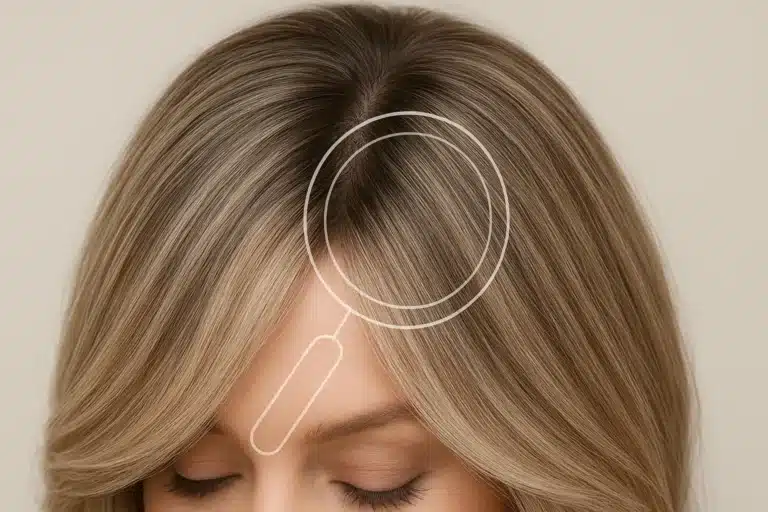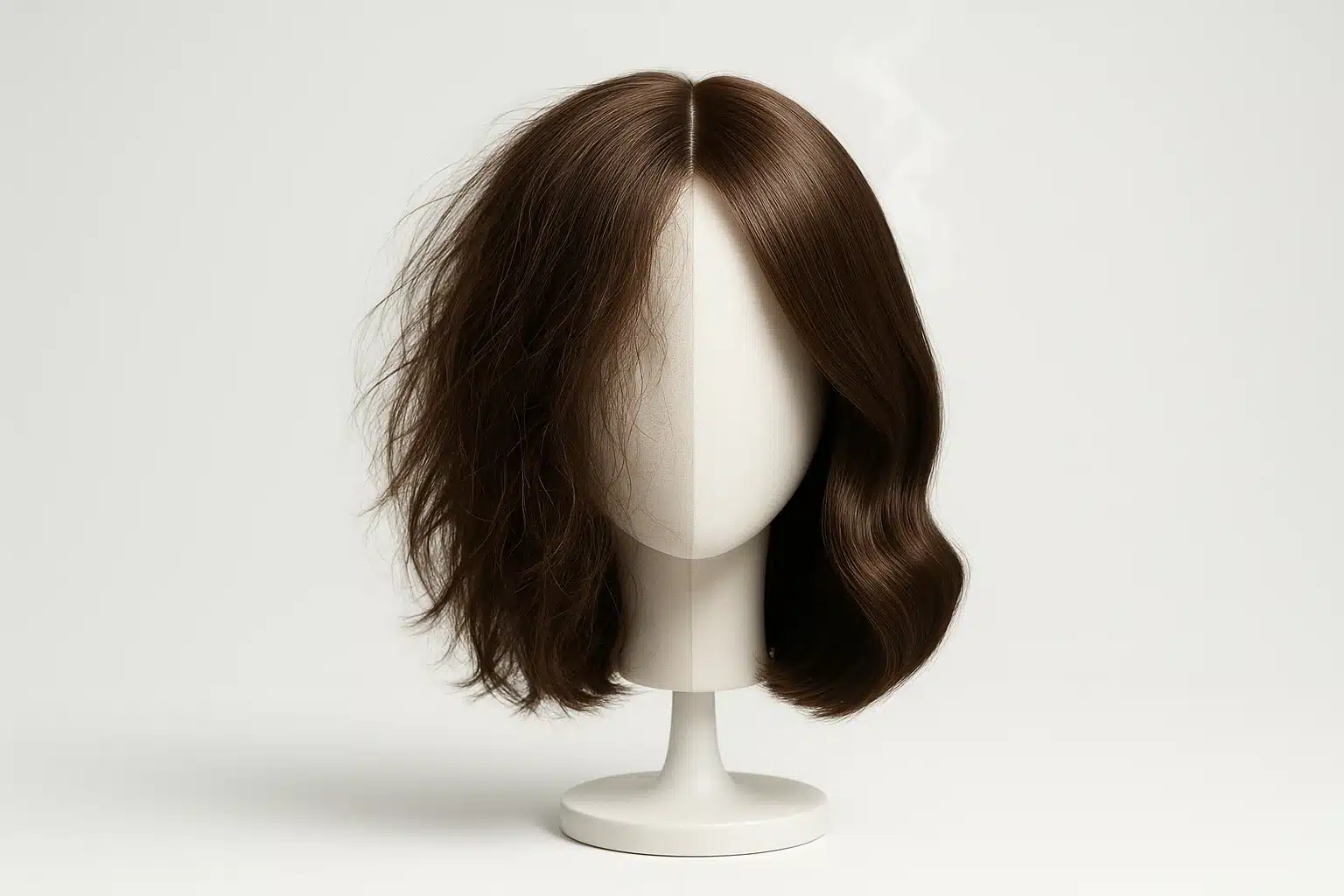
We’ve all been there. You purchased a stunning Sensationnel unit, and for the first two weeks, it was pure magic—bouncy, shiny, and moving just like natural hair. But then, the inevitable happens. The nape starts to feel a little “crunchy,” the ends begin to clump, and that effortless sway is replaced by stiff friction. Before you assume your favorite unit has reached the end of its life, pause. Most synthetic wigs aren’t dead; they are simply tired and in need of a professional reset.
Reviving a synthetic unit is less about magic and more about understanding the science of the fibers you are wearing. Whether you are rocking a high-density Empress style or a sleek Butta Lace unit, the revival process relies on specific techniques tailored to heat-resistant fibers. If you are unsure exactly which fiber technology your specific unit uses, it is worth consulting a detailed Sensationnel wigs guide to understand the heat tolerance and care requirements before you begin.
The Anatomy of a Tangle: Why Synthetic Hair Mats
To fix the problem, we first have to understand why it’s happening. Unlike human hair, which produces natural oils (sebum) to keep strands lubricated, synthetic hair is essentially a monofilament plastic fiber—often made of materials like Kanekalon, Toyokalon, or high-heat Futura fibers.
When you buy a new wig, it comes with a factory-applied alkaline coating that keeps it silky. Over time, three things happen to destroy this finish:
- Friction: The rubbing of hair against your collar, scarf, or skin creates static and microscopic fraying.
- Heat Damage: Even radiant body heat trapped at the nape of the neck can slowly warp the fibers.
- Product Buildup: Old sprays and dry shampoos act like glue, trapping dust and locking tangles in place.
This is why the back of the wig always tangles first. It’s not a defect in the wig; it’s a symptom of “molecular friction.”
Stop! Put Down the Fabric Softener
If you have been browsing forums or social media for solutions, you have likely encountered the “fabric softener hack.” The logic seems sound: fabric softener makes clothes soft, so it should make synthetic fiber (which is essentially fabric) soft, right?
This is a myth that actually shortens your wig’s lifespan.
While fabric softener provides a temporary slip, it leaves behind a waxy residue. Over time, this sticky film attracts dirt, dust, and pollution, leading to “residue matting.” Instead of looking silky, the hair becomes dull, heavy, and tangles even faster than before.
The Professional Revival Blueprint
Instead of laundry products, we utilize a process based on hydration and heat resetting. Here is how to professionally revive your Sensationnel wig.
Phase 1: The Deep Clean
Before you can detangle, you must strip the impurities.
- The Cold Water Rule: Fill a basin with cool water. Hot water can loosen the curl pattern and cause dyes to bleed, especially if you are wearing a vibrant ginger wavy wig or a high-contrast ombre.
- The ACV Soak: Add a cup of Apple Cider Vinegar to the cool water. Soak the wig for 15 minutes. The acidity helps strip away the alkaline buildup and neutralizes odors.
- Gentle Wash: Rinse and wash with a specialized synthetic wig shampoo.
Phase 2: Surgical Detangling
Never brush a wet wig, and never hack at a dry tangle.
- Preparation: Mount the wig on a canvas block head or Styrofoam head (pinned securely).
- Lubricate: Spray a dedicated synthetic detangler or pure silicone spray on the matted areas.
- Bottom-Up Approach: Using a wide-tooth comb or a loop brush (which has no bristles to snag the lace), start at the very ends. Detangle the bottom two inches, then move up.
- Patience is Key: If you encounter a hard knot, use the “tail” of a rat-tail comb to pick it apart gently.
Phase 3: The Steam Reset (The “Aha” Moment)
This is the step most beginners miss, yet it is the most critical. Synthetic fibers have “memory.” When they frizz, the plastic has physically warped. Brushing won’t fix warped plastic—heat will.
However, dry heat (like a flat iron) is risky. Steam is the secret.
- Set Up: With the wig detangled and pinned to a head, turn on a handheld clothing steamer.
- The Technique: Run the comb through a section of hair, following immediately behind it with the steamer. The steam relaxes the fiber, smoothing out the microscopic frays and “frizz,” returning the texture to its factory smoothness.
- Cool Down: Allow the hair to cool completely before touching it. The fiber sets its shape as it cools.
Texture-Specific Troubleshooting
Not all Sensationnel wigs require the same handling. Here is how to handle specific textures.
Restoring Curls and Waves
If you need to re curl synthetic wig styles after steaming (which tends to straighten hair), you must use the “steam and set” method.
- Wrap the damp, steamed fiber around a perm rod or flexi-rod.
- Hit it with steam for 10 seconds.
- Crucial Step: Let it cool completely on the rod. If you remove the rod while the hair is warm, the curl will drop.
High Volume and Afro Textures
For styles like a Bob Ross afro wig or tight coils, brushes are the enemy. Brushing separates the curls and creates a cloud of frizz.
- The Solution: Use your fingers to detangle. If the ends are matted, trim the very tips rather than trying to comb them out. To restore volume, shake the wig upside down and use a pick comb only at the roots to lift, not through the lengths.
Cosplay and Spiked Styles
If you are managing a highly stylized unit, such as a Kaeya wig for cosplay, the structure is held by strong-hold lacquers. To clean these without ruining the spike:
- Spot clean the inside cap with alcohol on a cloth.
- Avoid soaking the spiked areas.
- If the spikes are drooping, use a “got2b” glued spray and a hairdryer on a low cool setting to re-solidify the shape.
Maintenance: The “Nape Shield” Strategy
Once you have revived your wig, keep it fresh longer with these daily habits:
- The Nape Shield: Before wearing your wig, spray a light coat of silicone spray specifically on the nape area (underneath). This creates a barrier against friction from your clothes.
- Storage: Never sleep in your wig. Store it on a wig stand to maintain air circulation.
- Tools: Invest in custom wig brushes or “Unbrushes” that are designed to flex with the tangles rather than snapping the hair.
Frequently Asked Questions
Can I use a flat iron on my Sensationnel wig?
Most modern Sensationnel wigs use Futura or heat-resistant fibers, which can handle heat up to 350°F-400°F. However, always check the specific tag. We recommend staying around 280°F-300°F to be safe, or sticking to steam, which is impossible to burn the hair with.
How often should I wash my synthetic wig?
Wash it every 6-8 wears. Over-washing strips the fibers, while under-washing causes product buildup.
Why does my wig look dull after washing?
If the shine is gone, the fibers may be dry. A light mist of silicone spray (wig shine spray) will restore the luster. Avoid oils meant for human hair (like olive or coconut oil), as they will just sit on the surface and attract dirt.
Is my wig ruined if the ends are frizzy?
Not necessarily. If steaming doesn’t smooth them, the ends may be permanently damaged. You can trim the bottom inch of the wig to remove the damage and give the style a fresh, healthy blunt cut.
Reviving a synthetic wig takes patience, but seeing your favorite unit transform from a tangled mess back to a silky, wearable crown is incredibly satisfying. By treating the fiber like the delicate fabric it is, you can double the lifespan of your Sensationnel wigs.