If you paid attention to Taylor Swift’s record-breaking Eras Tour, you likely noticed a relatable phenomenon during her stops in high-humidity cities like Singapore and Tampa. Despite having a million-dollar styling team, her naturally wavy hair would famously revert to what she jokingly called its “factory settings” by the end of the night. For wig wearers in New Orleans—where morning relative humidity routinely eclipses 87%—this struggle is a daily reality.
When you’re navigating the heavy, sub-tropical air of South Louisiana, generic internet tips simply aren’t enough. You need highly localized, climate-tested solutions. Knowing how to protect your investment and knowing exactly which of the best wig stores in New Orleans LA stock specialized barrier sprays, breathable liners, and sweat-resistant adhesives is the difference between a flawless style and a midday meltdown.
Let’s dive into the science of how humidity interacts with alternative hair and map out exactly where to find the physical products you need to survive the swamp.
The Science: Why the Swamp Destroys Your Style
To protect your hairpiece, you first have to understand the specific enemy you’re fighting. The humid heat of New Orleans attacks different wig materials in entirely different ways.
Human Hair: The “Factory Settings” Effect
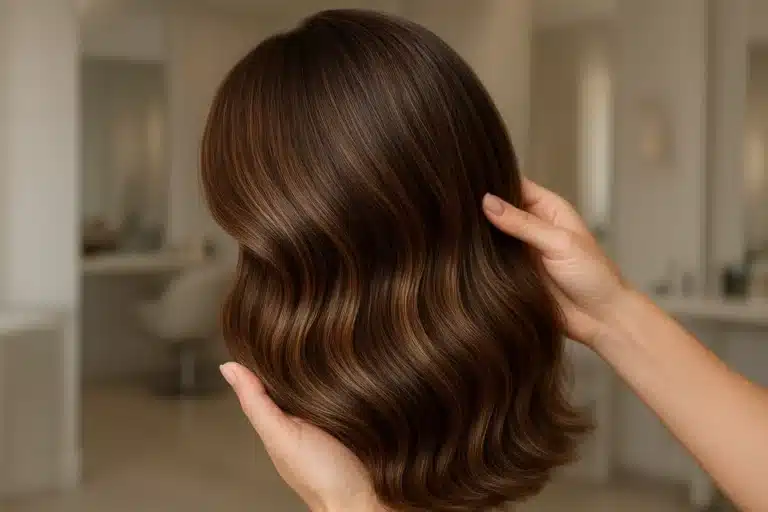
Human hair wigs are incredibly susceptible to atmospheric moisture. Styled hair relies on temporary hydrogen bonds to hold its shape. When you step outside into the thick New Orleans air, atmospheric water molecules invade the hair shaft, breaking those temporary bonds. The cuticle absorbs the ambient moisture, expands, and swells, causing that dreaded, uncontrollable frizz.
Synthetic Hair: The Friction-Frizz Factor
Many people mistakenly believe synthetic fibers are immune to humidity because they are essentially plastics. While they won’t absorb water like human hair, the high ambient heat of South Louisiana generates intense micro-sweat on your scalp and neck. This constant moisture and heat cause the synthetic fibers to cling to your skin, creating high thermal friction. Over time, this friction causes synthetic strands to clump, warp, and permanently stretch out of shape. Preventing this requires diligent synthetic wig care to maintain the integrity of the fibers.
Step 1: Stop the Slide (Scalp Prep for Extreme Sweat)
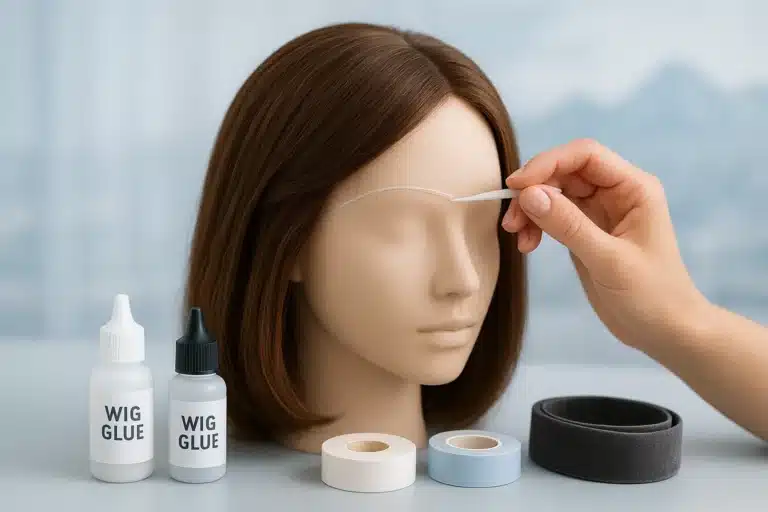
In a climate this demanding, standard scalp preparation advice like “just clean the skin with rubbing alcohol” won’t cut it. Your sweat glands are working overtime, and natural sebum (skin oil) is the natural enemy of lace adhesives. If you want your wig to stay secure, you essentially need a hold so strong it rivals the best waterproof wig glue for swimming.
The Pro-Tip: You need a two-step prep routine to block sweat before it contacts your lace.
- Cleanse: Wipe the hairline with 91% isopropyl alcohol.
- Mattify and Block: Here is the industry secret—use an oil-absorbing men’s grooming tool like Harry’s Anti-Shine Stick along your hairline. Formulated with silica and Sea Fennel Extract, this creates an invisible, hydrophobic (water-repelling) shield that absorbs excess sebum and sweat before it can degrade your lace adhesive.
Step 2: The Styling Shield (Hydrophobic Barriers)
Think about how classical musicians protect high-value wooden instruments in the South. A violinist or guitarist would never expose their instrument to 90% humidity without specialized sealants. They use targeted formulations like instrument spray, viola spray, or classical guitar lacquer spray to seal the wood from the dampness.
Your wig is similarly a high-value asset and requires its own invisible raincoat. When focusing on your wig styling routine, you must use hydrophobic sealants. Silicone-based glosses, serums, and anti-humidity barrier sprays coat the hair shaft, effectively blocking out atmospheric moisture so your style stays locked in place.
Sourcing Your Arsenal: The New Orleans Wig Store Directory
You don’t have to wait for an online delivery when your lace starts lifting in the French Quarter. Proper localized wig care means knowing exactly which physical stores carry the specialized tools you need right now.
Here is your localized map to sourcing humidity-fighting wig accessories in the New Orleans metro:
- Wig World (Metairie): The premier destination for medical-grade synthetic and human hair solutions. This is your go-to physical spot for high-end, brand-specific shampoos, breathable mesh cap liners, and professional styling services tailored strictly for climate preservation.
- Hair Kingdom Beauty Supercenter (Read Rd, East NOLA & Gretna): A massive, highly organized beauty supply warehouse. If you need professional, waterproof lace adhesives (like Ghost Bond or Walker Tape), melt bands, or affordable human hair bundles in a pinch, start here.
- Fifi Mahony’s (Royal St, French Quarter): The cultural crown jewel of New Orleans alternative hair. Unmatched for creative, colorful styling products, custom-dressed wigs, and specialty holding sprays designed to keep intricate styles locked down during hot outdoor parade routes.
- Queens Beauty Supply (Earhart Blvd): Clean and meticulously organized. This is an exceptional stop for sourcing highly breathable bamboo wig liners (which pull heat away from the scalp) and daily anti-humidity frizz-control serums.
- Elegance Beauty Supply (N. Claiborne Ave): An excellent local hub for quick grabs. Perfect for picking up daily maintenance sprays, quick detanglers, and protective silk scarves for nighttime preservation.
Frequently Asked Questions About Wig Humidity Maintenance
Why does my lace wig slide back when I step outside in New Orleans?
This is caused by a combination of high heat and humidity triggering scalp sweat and sebum production. The oil from your skin breaks down standard water-based adhesives. Using a strong waterproof glue and an oil-absorbing primer (like the anti-shine stick method mentioned above) creates a barrier that stops the slide.
Are bamboo wig caps better than nylon in the heat?
Absolutely. Nylon traps heat against the scalp, increasing the temperature and causing you to sweat more. Bamboo is a naturally breathable, moisture-wicking fabric that helps regulate scalp temperature, making it ideal for brutal Southern summers.
Can I use regular hairspray to block out humidity?
Usually, no. Standard hairsprays are often water-based and can actually attract moisture in high humidity, leading to sticky, clumpy hair. You need targeted anti-humidity barrier sprays that contain lightweight silicones (like dimethicone) to seal the hair shaft completely.
How do I fix a synthetic wig that has already frizzed from the humid heat?
If a synthetic wig has suffered friction-frizz at the nape of the neck, it requires a careful restoration process using steam or very controlled low heat (if the wig is heat-friendly) to smooth the warped plastic fibers. Always use a wide-tooth comb and a synthetic-safe detangling spray during this process.
Next Steps for Your Hair Journey
Mastering wig care in a humid climate takes patience, the right science, and the right local resources. By understanding how the environment impacts different hair fibers and building a toolkit of targeted barrier sprays, breathable caps, and high-performance adhesives, you can confidently wear your favorite styles from the Garden District to the Marigny without fear of frizz.
If you’re looking to deepen your knowledge, explore our comprehensive guides on selecting the right wig fiber for your lifestyle, or read up on advanced attachment techniques to ensure your look stays flawless, no matter what the forecast says.