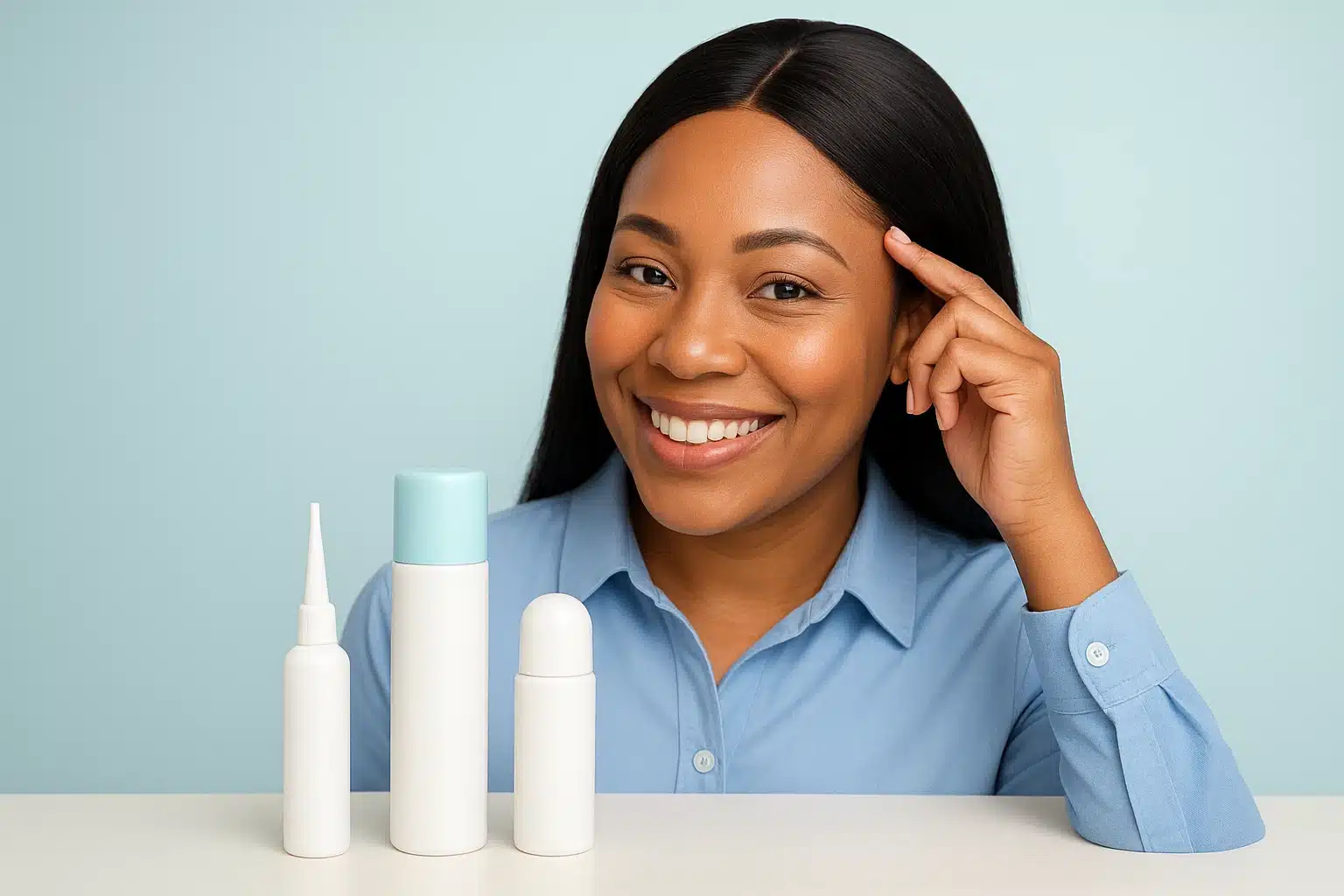
We’ve all been there: you step outside feeling absolutely flawless, only to be met with a sudden, aggressive gust of wind. In that split second, your heart skips a beat. Is my wig secure? For many wig wearers, the line between experiencing true “wig freedom” and constant “edge anxiety” comes down to one crucial invisible factor: your choice of adhesive.
Whether you’re experiencing hair loss and wearing a wig daily, or simply changing up your style for the weekend, navigating the world of wig glues can feel like trying to decipher a chemistry textbook. Before diving into specific glues, it’s essential to understand the broader complete guide to wig security: adhesives, tapes, and glueless methods to ensure you’re choosing the right foundation for your hair type. Today, we’re going to break down the science of adhesives into plain English, so you can confidently secure your unit without ever compromising your natural hair or delicate scalp.
The Science of Security: Decoding Wig Adhesives
When you’re shopping for wig adhesives, you aren’t just looking at different brands—you’re looking at different chemical families. Understanding these families is your first “aha” moment in achieving a flawless, skin-safe hold.
- Water-Based (Copolymer) Glues: These are the gold standard for beginners and those with sensitive skin. They go on white, dry clear, and are generally gentler on the skin.
- Acrylic Adhesives: Known for their serious holding power, acrylics are designed for long-term wear. They offer incredible moisture resistance but require a more thorough, careful removal process.
- Silicone-Based Adhesives: These are the heavy lifters of the medical-grade adhesive world. They bond exceptionally well with skin and withstand intense heat and sweat, but they require highly specific, oil-based solvents to remove safely.
Liquid, Roll-On, or Spray? Finding Your Perfect Match
The biggest mistake new wig wearers make isn’t choosing a “bad” product; it’s choosing the wrong format for their lifestyle. Let’s compare the three main contenders.
Liquid Glues (The Long-Term Commitment)
Liquid glues are traditionally brushed onto the scalp in thin layers. When applied correctly, they offer the strongest hold on the market—typically lasting anywhere from 2 to 6 weeks.
- The Pros: Unbeatable security. Once a high-quality liquid glue cures, you can sleep, exercise, and live your life without a second thought.
- The Cons: The application process requires patience.
- The Golden Rule: Beware of the “Thick Layer Trap.” Applying one thick layer of glue will result in a messy, gooey disaster. The secret is painting 2 to 4 micro-thin layers, letting each one dry before adding the next.
Roll-On Adhesives (The Precision Middle Ground)
Roll-on adhesives function similarly to a roll-on deodorant. They offer a fantastic middle ground, typically securing a wig for 1 to 2 weeks.
- The Pros: Mess-free and incredibly precise. You control exactly where the adhesive goes without worrying about drips or needing specialized applicator brushes.
- The Cons: They can sometimes apply thicker than a brushed liquid, meaning you have to wait slightly longer for the adhesive to cure and become tacky.
Melting Sprays (The “Glueless” Illusion)
Melt sprays have taken the internet by storm. They offer a quick, 1-to-2 day hold that perfectly melts the lace into your skin for a flawless finish.
- The Pros: Instant gratification. They are fast, beginner-friendly, and wash out easily with water.
- The Cons: We need to bust the “glueless” myth right here. Most holding sprays (like the famous holding freezing sprays) are water-soluble. This means they will fail instantly in heavy rain or intense sweat. They are temporary holding agents, not true waterproof adhesives.
The Hold-to-Lifestyle Framework
Your perfect adhesive isn’t about what your favorite influencer uses; it’s about how you live.
- The Gym-Goer: If you sweat heavily, water-soluble sprays won’t cut it. You need a silicone-based or robust acrylic liquid glue. These are formulated to resist the natural oils (sebum) and moisture your scalp produces.
- The Sensitive Scalp: If you have reactive skin or are experiencing medical hair loss, safety is your top priority. Look for dermatologically tested, water-based liquid adhesives, and always perform a patch test on your inner arm 24 hours before application.
- The Weekend Wearer: If you love taking your wig off at the end of the day or every couple of days, opt for a melting spray or a gentle roll-on. Using a 4-week liquid glue for a 2-day style is a recipe for frustration and potential edge damage during premature removal.
The “Safety-First” Application and Zero-Damage Removal Protocol
For almost two decades, we’ve seen countless customers struggle with application and removal. Here is our foolproof, compassionate approach to keeping your natural edges completely intact.
Perfecting the Application
Did you know that scalp preparation is 90% of your hold? An adhesive can only stick to a clean canvas. Wipe your hairline with 91% rubbing alcohol to remove natural oils before starting.
When placing your wig, use the 4-Finger Rule: place four fingers flat against your forehead, resting on your eyebrows. Your wig’s hairline should sit right above your top finger. This ensures a natural look and keeps the adhesive firmly on your skin, not on your natural hair edges.
Finally, you must master the “Tacky Test.” Beginners often fail because they press the lace into the glue while it’s still wet and white. You must wait for the visual transition. When the glue turns completely clear and feels like the sticky side of a piece of tape (tacky, but doesn’t pull off on your finger), then it is ready for the lace.
The Zero-Damage Removal Protocol
If you remember only one thing from this guide, let it be this: Stop Peeling!
Your natural edges are precious. Removing a glued wig should never rely on physical pulling; it relies on chemical dissolution.
- Match the Solvent to the Glue: If you used a silicone glue, use an oil-based remover. If you used an acrylic glue, use an alcohol-based solvent.
- Saturate and Wait: Apply the remover generously over the lace where it meets the glue. Now, walk away for 3 to 5 minutes.
- The Slide: The wig should literally slide backward off your head. If you feel any resistance, stop, apply more solvent, and wait.
Frequently Asked Questions About Wig Adhesives
Will wig glue rip out my natural edges?
Not if applied and removed correctly! Damage only occurs when glue is applied directly on top of natural hair, or when the wig is impatiently peeled off without letting a solvent properly dissolve the adhesive bonds first.
Is freezing spray actually wig glue?
No. Freezing sprays and melt sprays are cosmetic styling products containing water-soluble polymers. They create a temporary, firm hold by drying down hard, but they will instantly reactivate and loosen if they get wet.
Can I swim while wearing wig glue?
Yes, but only with specific waterproof adhesives (typically acrylic or silicone-based liquid glues) that have been allowed to cure fully for 24 to 48 hours before water exposure. Even then, prolonged exposure to chlorine or saltwater will degrade the bond faster than normal wear.
Your Journey to Ultimate Wig Confidence
Choosing the right wig adhesive is a deeply personal step in your hair journey. It’s the bridge between a beautiful hairpiece and the unwavering confidence to wear it out into the world.
Whether you’re reaching for the robust security of a liquid glue, the precision of a roll-on, or the daily convenience of a melting spray, the secret lies in honoring your lifestyle and treating your skin with care. With the right knowledge, you can confidently step out into the windiest of days, knowing your hair looks beautiful, natural, and completely secure.