For many individuals navigating a medical journey, the arrival of a wig is a moment of mixed emotions. There is the relief of reclaiming a sense of privacy and normalcy, but often, there is also the unexpected reality of physical discomfort. It is a “silent struggle” that many new wearers endure, assuming that itching, slipping, or tension headaches are simply the price one pays for wearing hair. This could not be further from the truth. A medical wig shouldn’t just look like hair; it should feel like a natural extension of yourself.
The difference between a wig that sits on your head and one that truly fits your life lies in professional customization. Just as you wouldn’t expect a medical brace to fit perfectly without adjustment, a “cranial prosthesis”—the medical term for wigs designed for hair loss—requires tuning. Understanding the essential services that define a great wig shop is the first step toward turning a generic hairpiece into a comfortable, confident part of your daily routine. By shifting your mindset from “buying a product” to “optimizing a medical tool,” you open the door to a much more comfortable experience.
The Medical-Grade Difference: Materials Matter
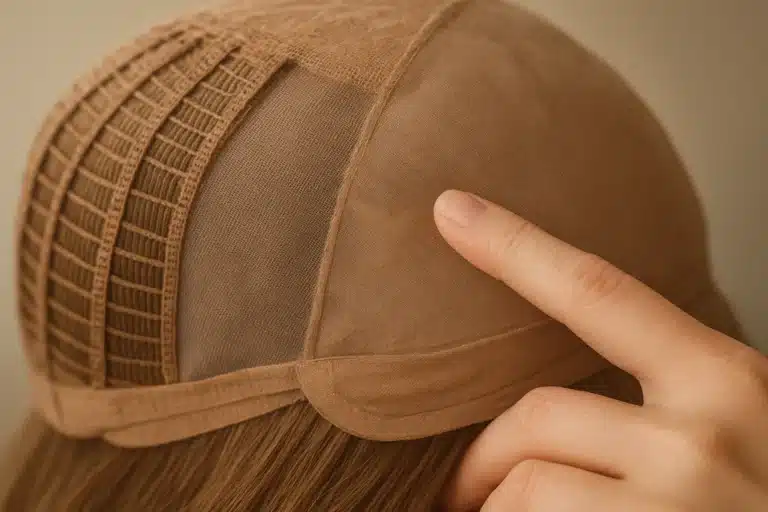
When browsing options, you might wonder why certain wigs are classified as “medical-grade” while others are fashion accessories. The distinction often starts at the cap construction level. Fashion wigs are built for durability and volume, often using wefted caps that can feel coarse against bare skin. Medical wigs, however, are engineered with the “Sensitive Scalp Hierarchy” in mind.
At the top of this hierarchy are materials like bamboo and silk. These natural fibers are breathable, hypoallergenic, and designed to minimize friction against a tender scalp. If you have already purchased a synthetic piece that feels scratchy, you don’t necessarily need to replace it. A professional can sew in soft, cotton, or silk liners that act as a barrier between the cap and your skin.
The Physics of Fit: Beyond the Velcro Straps
One of the most common complaints during chemotherapy or alopecia treatment is the “wig headache.” This is usually caused by the wearer trying to secure a loose wig by overtightening the adjustable velcro straps at the nape of the neck. This creates a tourniquet effect, placing uneven pressure on the temples and forehead.
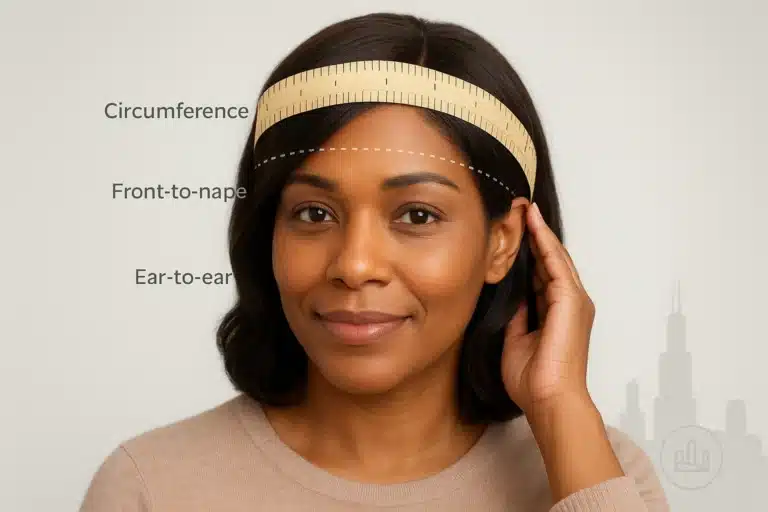
A true fit isn’t about tightness; it’s about contour. During medical hair loss, your head size can actually fluctuate—often shrinking up to half a size after total hair loss. A professional alteration specialist can perform symmetrical resizing. By taking in the cap using small “darts” or “tucks” behind the ears or at the crown, the wig is reshaped to hug your cranial structure. This eliminates the need for tight straps, distributing the weight evenly and alleviating pressure points.
Customizing for Security: The “Stay” and The “Grip”
Fear of the wig slipping is a major anxiety for new wearers. In the past, the solution was often uncomfortable clips or messy glues. Today, the approach is much more refined and gentle, specifically for those with sensitive skin.
Silicone vs. Clips
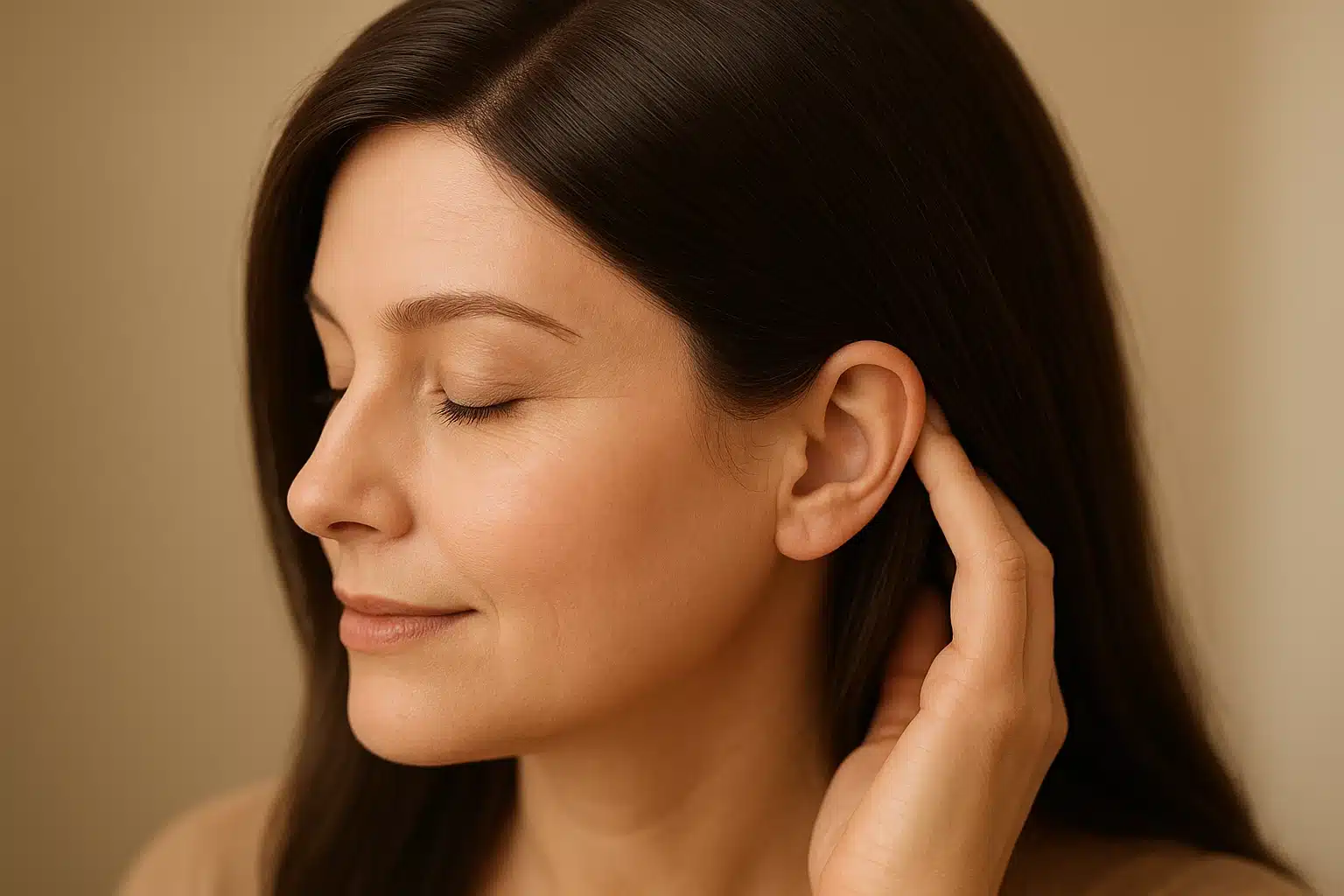
If you are experiencing partial hair loss, pressure-sensitive clips can be useful, but they must be placed strategically to avoid tugging on biological hair. However, for total hair loss, silicone is the gold standard. A professional can sew “poly-stays” or silicone strips into the ear tabs and nape of the wig. When these strips warm up against your skin, they create a gentle suction effect that keeps the wig secure without any adhesive.
The Four-Finger Rule
Proper placement is also a matter of education. A common mistake is pulling the wig too far down the forehead, which feels secure but looks unnatural. Experts teach the “Four-Finger Rule”: placing four fingers flat above your eyebrows to find your natural hairline. Alterations can be made to the lace front to ensure it sits exactly at this mark without rolling or lifting.
Volume and Density: The “Invisible Edge”
Have you ever put on a wig and felt it looked “wiggy” or bulky, even if the style was nice? This is often because factory wigs are made with 120-130% density to ensure longevity. However, for a patient who may have had naturally fine hair before treatment, this volume can feel overwhelming and foreign.
This is where the artistry of wig maintenance and alteration comes into play. A specialist can use thinning shears to debulk the density, particularly around the ears and neckline, creating a lighter, more realistic silhouette. They can also customize the “baby hairs” along the hairline. By cutting fine, shorter hairs into the front lace, the edge becomes invisible, mimicking the natural growth pattern of biological hair.
Your Shop Consultation Checklist
When you are ready to visit a professional for alterations, go armed with specific questions to ensure they understand the medical nuances of your needs. Here is a checklist to guide your conversation:
- Ask about “Stay Additions”: “Can you sew silicone traction strips into the cap for security?”
- Inquire about Resizing: “If my head size changes during treatment, do you offer resizing services to take the cap in?”
- ** Discuss Breathability:** “Is it possible to remove some wefts to make the cap lighter and more breathable?”
- Mention Sensitivity: “What options do you have for lining the cap if the material irritates my scalp?”
Frequently Asked Questions
What is the difference between a wig and a cranial prosthesis?
While they may look similar, a cranial prosthesis is a medical term used for insurance purposes. These units are specifically designed for patients losing hair due to medical conditions, often featuring softer, hypoallergenic base materials to accommodate sensitive scalps.
My scalp is extremely tender from treatment. What can I do?
Look for wigs with “double monofilament” or “hand-tied” caps, which are the softest options. If you already have a wig, ask a professional to sew in a bamboo or silk liner. You can also wear a bamboo wig liner (a small skull cap) underneath for an immediate layer of protection.
Will altering my wig ruin it?
Not if it is done by a professional. Wigs are constructed in specific patterns, and cutting into the foundation incorrectly can cause unraveling. Always seek out a specialist who is trained in wig alterations, rather than a standard hair stylist.
Can I get a wig made from my own hair?
While possible, this is a complex, expensive, and time-consuming process that requires a significant amount of hair. Most experts recommend high-quality human hair or premium synthetic wigs that can be matched to your biological style and color much faster and more reliably.
How often should I have my medical wig checked for fit?
It is a good idea to assess the fit every few months, especially if you are undergoing active treatment where hair volume is changing. As your biological hair sheds or begins to regrow, the fit of the cap will change, and minor adjustments can restore comfort.
Does insurance cover wig alterations?
Many insurance policies that cover “cranial prostheses” will cover the cost of the unit itself. Coverage for alterations varies by provider, but having the wig customized is often considered part of the “fitting” process necessary for the prosthesis to function correctly. Always check with your provider and ask your wig shop for a detailed invoice using medical terminology.